Introduction
In a world bustling with complex concoctions and elaborate culinary creations, sometimes the most profound pleasures come from the simplest ingredients. Enter the Bay Leaf and Clove Infusion – a humble yet remarkably soothing herbal drink that promises a moment of tranquility in every warm sip. This isn’t just a beverage; it’s an aromatic embrace, a gentle detox, and a delightful journey for your senses, all crafted from two incredibly common, yet often underestimated, kitchen spices.
Imagine the subtle, woody fragrance of bay leaves mingling with the warm, spicy notes of cloves, all steeped together in hot water. The result is a golden-hued elixir that’s comforting, aromatic, and surprisingly flavorful. It’s a perfect non-caffeinated alternative to your usual hot drinks, ideal for winding down in the evening, soothing your stomach after a meal, or simply enjoying a quiet moment of self-care. Its popularity stems from its ease of preparation, the accessibility of its ingredients, and the wonderful warmth it imparts, both physically and emotionally.
What makes this infusion truly special is its understated elegance. There are no fancy techniques or exotic ingredients required. Just a few bay leaves, a handful of cloves, and some water are all you need to create a brew that feels ancient and wise. It’s a testament to the power of natural flavors and traditional wisdom, offering a gentle way to incorporate natural goodness into your daily routine. Prepare to discover a new favorite comforting drink that’s as good for your soul as it is delightful to your palate.
Nutritional Information
Per serving (approximate values):
- Calories: 5
- Protein: 0.1g
- Carbohydrates: 1g
- Fat: 0.1g
- Fiber: 0.2g
- Sodium: 1mg
Ingredients
- 4 cups (960ml) filtered water
- 3-4 fresh bay leaves (or 5-6 dried bay leaves)
- 10-12 whole cloves
- Optional: 1-2 teaspoons honey or maple syrup, to taste
- Optional: 1-2 lemon slices or a squeeze of fresh lemon juice, for serving
- Optional: 1/2-inch slice of fresh ginger, peeled
Instructions
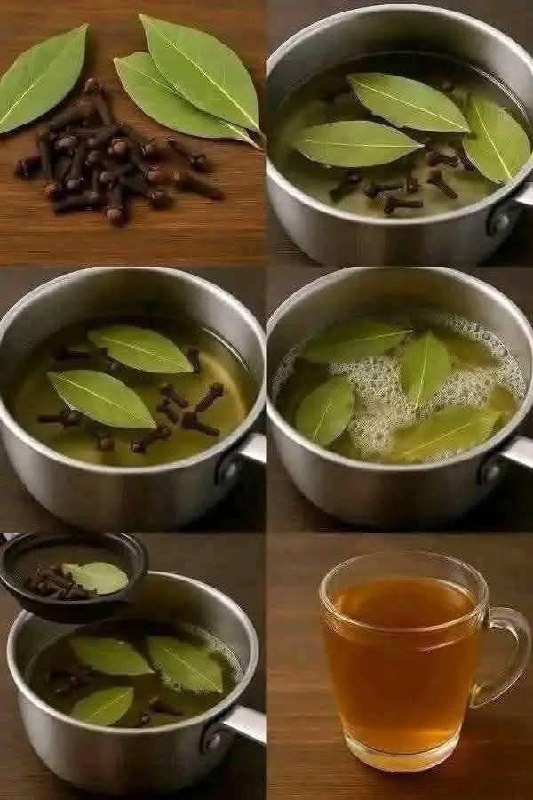
- Gather all your ingredients. Ensure your bay leaves are fresh and vibrant if using fresh, or high-quality dried ones. Your cloves should be whole and aromatic.
- Pour the filtered water into a medium saucepan.
- Add the bay leaves and whole cloves to the water in the saucepan. If you’re using fresh ginger, add it now as well.
- Place the saucepan over medium-high heat and bring the water to a gentle boil.
- Once boiling, reduce the heat to low, cover the saucepan, and let it simmer gently for 10-15 minutes. This gentle simmering allows the flavors and beneficial compounds from the bay leaves and cloves to infuse thoroughly into the water.
- After simmering, remove the saucepan from the heat.
- Carefully strain the infusion using a fine-mesh sieve into a heatproof pitcher or directly into individual mugs. Discard the bay leaves, cloves, and any ginger.
- Serve the Bay Leaf and Clove Infusion warm.
- If desired, stir in 1-2 teaspoons of honey or maple syrup to sweeten.
- Add a fresh lemon slice or a squeeze of lemon juice to each mug for an added bright note.
- Enjoy your soothing and aromatic herbal drink!
Cooking Tips and Variations
To achieve the most flavorful and beneficial Bay Leaf and Clove Infusion, starting with high-quality ingredients is paramount. For bay leaves, if you have access to fresh ones, their vibrant, slightly more pungent aroma will elevate your drink. If using dried, opt for whole, unbroken leaves from a reliable source to ensure maximum potency. Similarly, whole cloves are far superior to ground cloves for infusions, as they release their warm, spicy essence gradually without leaving a cloudy residue. Always use filtered water to ensure a clean, pure taste that allows the subtle flavors of the spices to shine through.
The simmering time is crucial for this infusion. While 10-15 minutes is a good starting point, feel free to adjust it based on your preference for strength. For a milder, more delicate flavor, simmer for 8-10 minutes. If you desire a more robust, spicier brew, extend the simmering time to 15-20 minutes. Be mindful not to over-simmer excessively, as bay leaves can sometimes impart a slightly bitter note if steeped for too long. A gentle, consistent simmer is key, as a rolling boil can cause the volatile oils to evaporate too quickly, diminishing the aroma and flavor.
Enhancing your Bay Leaf and Clove Infusion is easy with a few simple additions. For a touch of sweetness, natural options like honey, maple syrup, or agave nectar work beautifully. Add these after straining, to taste. A squeeze of fresh lemon juice or a thin lemon slice adds a bright, zesty counterpoint that can lift the entire flavor profile. For an extra layer of warmth and a subtle spicy kick, try adding a 1/2-inch slice of fresh ginger (peeled) to the saucepan along with the bay leaves and cloves during simmering. For a more pronounced spice blend, a small cinnamon stick can also be added to the pot, infusing a lovely woody sweetness. You can also experiment with a few peppercorns for a very subtle, earthy undertone, though this is for the more adventurous palate. For a cooler, refreshing option, allow the strained infusion to cool completely, then chill it in the refrigerator. Serve it over ice with a lemon wedge for a unique iced herbal tea.
This infusion is particularly delightful when enjoyed warm, making it a perfect evening beverage or a soothing accompaniment to a quiet afternoon. Consider serving it in your favorite mug, perhaps with a book or while simply enjoying a moment of peace. It’s also an excellent choice after meals, as the spices are often associated with aiding digestion. The beauty of this recipe lies in its adaptability; feel free to experiment with the ratios of bay leaves and cloves to find your perfect balance. Some prefer a more clove-forward taste, while others enjoy the subtle camphoraceous notes of bay leaf more prominently. Don’t be afraid to make it your own!
Storage and Reheating
Proper storage ensures you can enjoy the goodness of your Bay Leaf and Clove Infusion beyond the initial preparation. Once your infusion has been strained and allowed to cool to room temperature, transfer it to an airtight glass container or a clean, sealed bottle. Storing it in glass is preferable as it won’t absorb any flavors from the plastic and helps maintain the purity of the taste. Place the sealed container in the refrigerator. Stored correctly, the infusion will remain fresh and flavorful for up to 2-3 days. While it might last a bit longer, the aromatic compounds and subtle flavors are at their best within this timeframe.
When you’re ready to enjoy a stored portion of your infusion, reheating it is straightforward. The best method for reheating is gently on the stovetop. Pour the desired amount into a small saucepan and heat over low to medium-low heat until it reaches your preferred warm temperature. Avoid bringing it to a rapid boil again, as this can diminish some of the delicate aromas and flavors. A gentle warming is all that’s needed. Alternatively, you can reheat individual servings in the microwave. Pour the infusion into a microwave-safe mug and heat in 30-second intervals, stirring in between, until it’s warmed through to your liking. Be cautious not to overheat, as microwaving can sometimes alter the flavor profile slightly.
It’s important to note that while the infusion can be stored, it’s generally best enjoyed fresh. The vibrant aromas and the full spectrum of flavors are most pronounced immediately after preparation. However, having a batch ready in the refrigerator makes it incredibly convenient for a quick, soothing drink whenever you need it. If you plan to consume it regularly, consider making smaller batches more frequently rather than a very large batch that might sit for too long. Always give it a quick sniff before reheating; if it smells off or sour, it’s best to discard it.
Frequently Asked Questions
What are the potential health benefits of bay leaf and clove infusion?
Both bay leaves and cloves have a long history in traditional medicine for various purposes. Bay leaves are often associated with supporting digestion and may have anti-inflammatory properties due to compounds like eugenol. Cloves are well-known for their antioxidant content, their ability to soothe digestive discomfort, and their potential antimicrobial properties. While this infusion can be a pleasant and soothing drink, it’s important to remember that it’s a traditional remedy and not a medical treatment. Always consult a healthcare professional for specific health concerns.
Can I use ground bay leaves or ground cloves?
While technically possible, it is highly recommended to use whole bay leaves and whole cloves for this infusion. Ground spices can make the infusion cloudy and difficult to strain, leaving a gritty texture. More importantly, whole spices release their flavors and aromatic compounds more gradually and cleanly, resulting in a clearer, more pleasant tasting beverage. Ground spices also tend to lose their potency faster than whole spices.
Is this infusion safe for everyone?
For most healthy individuals, this infusion is generally safe when consumed in moderation as a beverage. However, if you are pregnant, breastfeeding, have any underlying health conditions, or are taking medications, it’s always best to consult with your doctor or a qualified healthcare professional before incorporating new herbal remedies into your diet. While natural, some herbs can have interactions or contraindications. Avoid consuming large quantities, and listen to your body.
Can I drink this regularly, and how much should I drink?
Yes, many people enjoy this infusion regularly as a comforting and aromatic beverage. As with any herbal drink, moderation is key. One to two cups per day is generally considered a reasonable amount for regular enjoyment. There are no strict guidelines, but overconsumption of any herbal remedy is not usually recommended. Pay attention to how your body responds and adjust your intake accordingly.