Introduction
Tired of complicated baking recipes that demand hours of kneading, multiple proofs, and an arsenal of special equipment? Do you dream of the comforting aroma of freshly baked bread filling your home, but feel intimidated by the process? You’re not alone! Many aspiring home bakers shy away from making bread, convinced it’s a culinary challenge reserved for experienced chefs. Well, get ready to shatter those misconceptions, because today, we’re unveiling a recipe so simple, so foolproof, that literally anyone can make it: a homemade bread that requires only four ingredients!
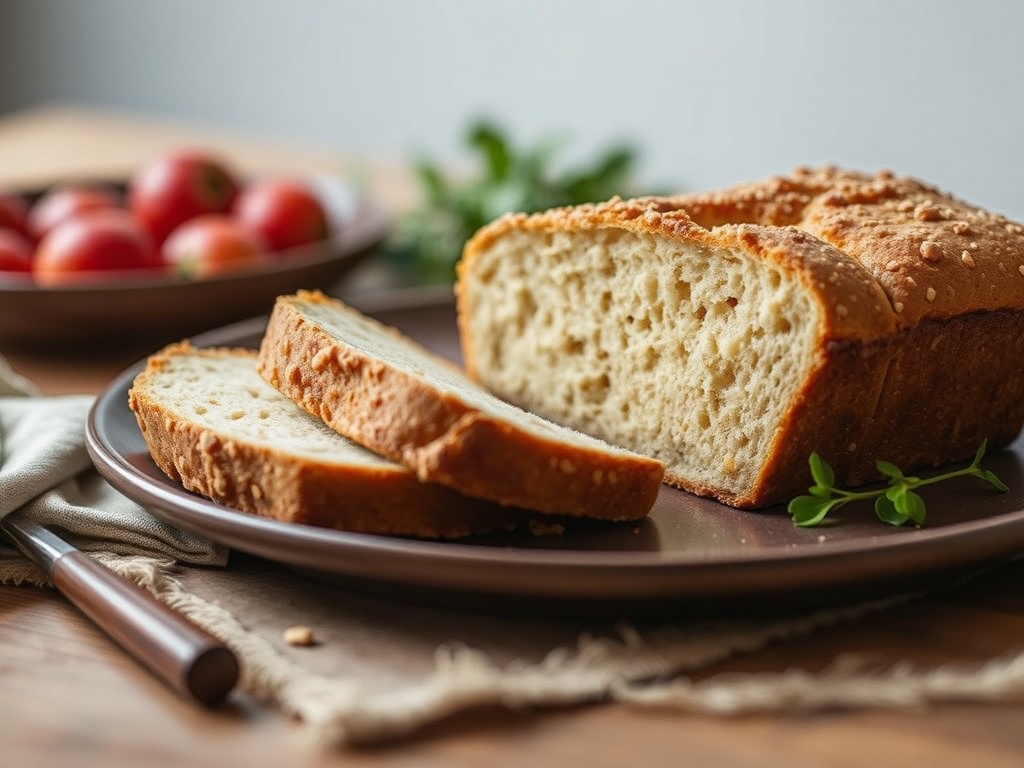
This isn’t just any bread; it’s a game-changer. Imagine a crusty exterior giving way to a soft, airy, and incredibly flavorful interior, all achieved with minimal effort. There’s no kneading involved, no fancy mixers, and no intricate techniques to master. This recipe harnesses the magic of time and a few basic pantry staples to deliver a loaf that tastes like it came from a high-end bakery. It’s the perfect entry point for beginners, a delightful surprise for seasoned bakers looking for simplicity, and an absolute must-try for anyone who loves the taste of fresh bread.
Prepare to impress your family, delight your taste buds, and discover the sheer joy of pulling a warm, golden-brown loaf from your own oven. This isn’t just a recipe; it’s an invitation to a new, delicious, and incredibly accessible world of homemade baking. So, let’s dive in and unlock the secret to this irresistible 4-ingredient wonder!
Nutritional Information
Per serving (approximate values, based on 10 servings per loaf):
- Calories: 160
- Protein: 5g
- Carbohydrates: 32g
- Fat: 1g
- Fiber: 1g
- Sodium: 250mg
Ingredients
- 3 cups (360g) All-Purpose Flour (or Bread Flour for a chewier crumb)
- 1 ½ cups (360ml) Lukewarm Water (approximately 105-115°F / 40-46°C)
- 1 teaspoon Active Dry Yeast (or Instant Yeast)
- 1 ½ teaspoons Fine Sea Salt (or Kosher Salt)
Instructions
- In a large mixing bowl, combine the flour and salt. Whisk briefly to ensure the salt is evenly distributed. This is important for flavor and for regulating the yeast.
- In a separate small bowl or measuring cup, combine the lukewarm water and yeast. Stir gently and let it sit for 5-10 minutes until the yeast is foamy. This indicates that your yeast is active and ready to work its magic. If it doesn’t foam, your yeast might be old or the water temperature was off, and you should start with new yeast.
- Pour the yeast mixture into the bowl with the flour and salt. Using a sturdy spatula or a wooden spoon, mix until just combined. The dough will be very shaggy, sticky, and wet, with no dry flour streaks remaining. Do not overmix; there’s no need to knead it. The long fermentation time will develop the gluten for you.
- Cover the bowl with plastic wrap or a clean kitchen towel. Place the bowl in a warm, draft-free spot in your kitchen. Let the dough rise for a minimum of 12 hours, and up to 18 hours. During this long proof, the dough will double or triple in size, become bubbly, and develop a wonderful complex flavor.
- After the long rise, generously flour a clean work surface. Gently scrape the dough out of the bowl onto the floured surface. It will be very loose and sticky.
- Using lightly floured hands, gently fold the edges of the dough towards the center a few times to create a rough ball shape. Avoid deflating it too much.
- Carefully transfer the dough to a piece of parchment paper. If you plan to bake in a Dutch oven, you can lift the parchment paper and dough directly into it later. If not, you can place it on a baking sheet. Loosely cover the dough with plastic wrap or an inverted bowl and let it rest for another 30-60 minutes while your oven preheats. This is a short second proof.
- About 30 minutes before the end of the second proof, place a Dutch oven (with its lid) into your oven and preheat the oven to 450°F (232°C). If you don’t have a Dutch oven, you can preheat a heavy baking sheet or pizza stone.
- Once the oven and Dutch oven are fully preheated, carefully remove the hot Dutch oven. Lift the dough on the parchment paper and gently lower it into the hot Dutch oven. Be careful not to burn yourself.
- Score the top of the dough with a sharp knife or a razor blade (a few shallow cuts help the bread expand evenly).
- Place the lid back on the Dutch oven and bake for 30 minutes. The lid creates a steamy environment, which is crucial for a beautiful, crispy crust.
- After 30 minutes, remove the lid and continue baking for another 15-20 minutes, or until the crust is deeply golden brown and the internal temperature reaches 200-210°F (93-99°C). If you tap the bottom of the loaf, it should sound hollow.
- Carefully remove the bread from the Dutch oven and transfer it to a wire rack to cool completely for at least 1-2 hours before slicing. Slicing hot bread can result in a gummy texture. Patience is key for the perfect crumb!
Cooking Tips and Variations
Achieving a perfect loaf with just four ingredients is surprisingly simple, but a few tips can elevate your results. Firstly, always ensure your yeast is fresh. If your yeast doesn’t foam after mixing it with lukewarm water, it’s likely dead, and your bread won’t rise. Water temperature is crucial: too hot will kill the yeast, too cold won’t activate it. Aim for a comfortable bathwater temperature. For the best crust and crumb, a Dutch oven is highly recommended as it traps steam during the initial bake, mimicking a professional bakery oven. If you don’t have one, you can still get good results by placing a pan of hot water on the bottom rack of your oven to create steam, or by simply baking on a preheated baking sheet, though the crust may not be as robust.
Don’t be afraid of the sticky dough! No-knead breads are typically high-hydration, which is what gives them their airy texture. Flour your hands and work surface liberally when handling the dough, but avoid incorporating too much extra flour into the loaf itself. The long proofing time is not just for rising; it’s where the flavor and gluten structure truly develop, so don’t rush it. For variations, once you’ve mastered the basic loaf, you can experiment with adding a tablespoon of dried herbs like rosemary or oregano to the dry flour, or try incorporating a handful of toasted seeds (sunflower, sesame) for an extra layer of texture and flavor. Just remember to mix these additions in with your dry ingredients before adding the water, keeping the “4 ingredients only” rule for the foundational recipe.
Storage and Reheating
Homemade bread is best enjoyed fresh, ideally within 1-2 days of baking. To store, allow the loaf to cool completely. Once cool, you can store it at room temperature in an airtight container, a bread box, or a paper bag inside a plastic bag to maintain its crust and prevent it from becoming stale too quickly. Avoid refrigerating bread, as it tends to dry out and become stale faster in the fridge. For longer storage, you can slice the cooled bread and freeze the slices in a freezer-safe bag or container for up to 3 months. This allows you to pull out just a few slices at a time as needed.
To reheat, if starting from room temperature, you can simply toast slices, or for a whole loaf, warm it in a 350°F (175°C) oven for 10-15 minutes until warmed through and the crust is crisp again. If reheating from frozen, you can toast individual slices directly from the freezer. For a whole frozen loaf, allow it to thaw at room temperature first, then warm in the oven as described above. A quick spritz of water on the crust before reheating can help refresh it and bring back some crispness.
Frequently Asked Questions
What kind of flour should I use?
All-purpose flour works perfectly for this recipe and is what most people have on hand. If you want a slightly chewier crumb and a more robust structure, you can use bread flour. Both will yield excellent results.
My dough didn’t rise, what went wrong?
The most common reasons for a dough not rising are inactive yeast or incorrect water temperature. Ensure your yeast is fresh (check the expiration date) and that your water is lukewarm, not too hot or too cold. If your yeast doesn’t foam when mixed with water, it’s best to discard it and start with new yeast.
Do I really need a Dutch oven?
While a Dutch oven is highly recommended for achieving the best crust and crumb due to its ability to trap steam, it’s not strictly essential. You can bake the bread on a preheated baking sheet or pizza stone. To create some steam, you can place a shallow pan of hot water on the bottom rack of your oven during baking. The results might vary slightly, but you’ll still get delicious homemade bread.
Can I make this bread in a shorter amount of time?
This recipe relies on a long, slow fermentation (12-18 hours) for flavor development and gluten structure without kneading. While you could technically shorten the rise time with more yeast or a warmer environment, it would compromise the characteristic flavor and texture that makes this bread so special. For best results, allow the full recommended proofing time.