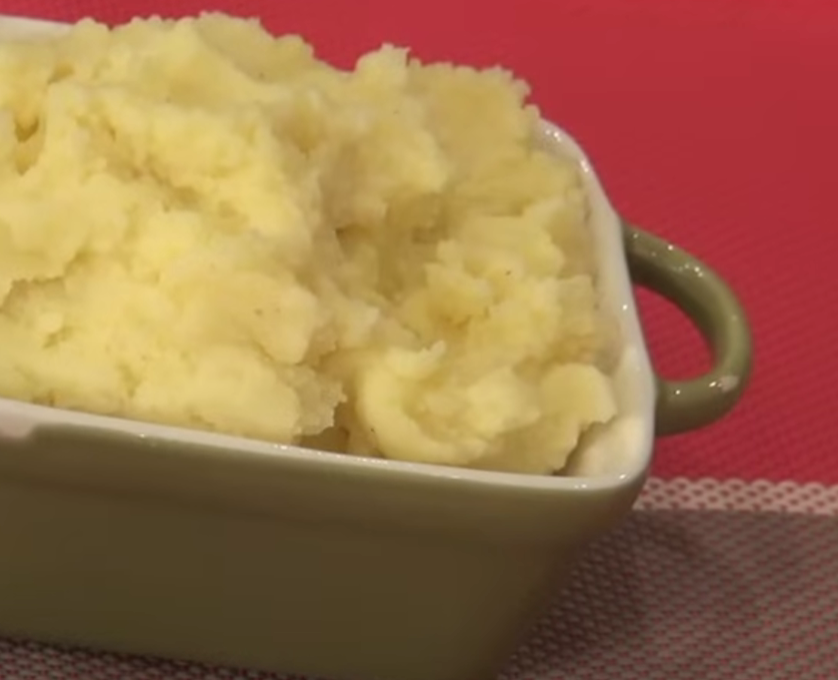
Stop Adding Milk or Water to Your Mashed Potatoes 🥔 — The Secret to Ultra‑Creamy, Flavor‑Packed Mash
Mashed potatoes are a universal comfort food — rich, creamy, and satisfying. But many home cooks unknowingly sabotage their spuds by adding **cold milk or plain water**, resulting in gluey texture and bland flavor. What if I told you there’s a better, simpler way to get velvety, flavorful mashed potatoes every single time without dairy milk or extra water?
In this complete guide, we’ll dive deep into the **why**, **how**, and **what to use instead**. You’ll learn how using **broth and reserved potato cooking water** — along with expert techniques — transforms your mash into a dish worthy of any holiday table or weeknight dinner.
If you love transforming classic comfort foods, also check out our Ultimate Comfort Food Recipes for more inspiration!
Why You Should Stop Adding Cold Milk or Plain Water
Most mashed potato recipes call for dairy milk or plain water — but here’s the problem:
- ❌ Cold liquids shock the hot potatoes and seize surface starches, leading to lumps or glue‑like mash.
- ❌ Plain water dilutes flavor without adding richness.
- ❌ Too much liquid results in heavy, pasty texture rather than light, silky fluff.
Instead, the smart cook uses two key liquids:
- 🍲 Warm chicken or vegetable broth — adds savory depth without dairy milk.
- 💧 Warm reserved potato water — starchy, flavorful, and perfect for binding.
These liquids help you achieve mashed potatoes that are **light, creamy, and rich in flavor without becoming gummy or heavy**.
Curious about potato science and texture? Explore our article on Potato Prep & Technique Mastery — it’s a game‑changer for every potato dish.
🍽️ Ingredients for Creamy Mashed Potatoes (No Milk or Plain Water)
This recipe serves about **4–6 people** and uses common ingredients you likely already have:
| Ingredient | Amount |
|---|---|
| Yukon Gold or Russet potatoes, peeled & cut into chunks | 2 pounds (≈ 900 g) |
| Unsalted butter | ½ cup (1 stick / 115 g) |
| Warm chicken or vegetable broth (or reserved potato water) | ½ cup |
| Salt | To taste |
| Freshly ground black pepper | To taste |
| Optional roasted garlic or garlic powder | 1–2 cloves or 1 tsp |
| Optional olive oil (for extra silkiness) | 1 tbsp |
Optional Add‑In Variations 🍽️
- Herb Butter Mash: Fresh parsley, chives, or thyme.
- Garlic Lovers: Roasted garlic or sautéed shallots for savory depth.
- Cheesy Twist: Parmesan or cream cheese for richness.
- Vegan Version: Use olive oil or vegan butter + vegetable broth.
- Savory Upgrade: Caramelized onions or a spoon of sour cream for tang.
These options help you customize mash for every palate and occasion.
🧑🍳 How to Make Ultra‑Creamy Mashed Potatoes — Step by Step
1. Choose the Right Potatoes 🥔
Yukon Gold and Russet potatoes are the two best options:
- 🥇 Yukon Golds — naturally buttery, creamy, and smooth.
- 🥔 Russets — high starch, great fluffiness.
Avoid waxy potatoes like red or fingerlings — they make mash gummy.
2. Prep and Cook the Potatoes
Place peeled, evenly cubed potatoes in a large pot and cover with cold water. Add salt — the water should taste slightly salty (like the sea).
Cover and bring to a boil, then reduce to a simmer until potatoes are fork‑tender — about 15–20 minutes.
3. Reserve the Potato Water 💧
Before draining, scoop out about ½–1 cup of the cooking water. This starchy water is liquid gold — it binds and enriches your potatoes without gluey texture.
Drain the potatoes thoroughly and return them to the warm pot for a minute to dry off excess steam (this avoids watery mash).
4. Warm the Broth and Butter
In a small saucepan, warm the broth and butter together until the butter melts and the mixture is hot.
Using *warm* liquids helps the potatoes absorb more evenly and stay silky.
5. Mash Gently 🥄
Using a potato masher, ricer, or food mill, gently mash the potatoes. Be careful — overmixing activates starch and results in gummy mash.
Add warm broth/butter mixture gradually, then add a splash of reserved potato water as needed to reach your desired consistency.
6. Season & Customize
Season generously with salt and freshly ground black pepper. Taste and adjust. Add optional roasted garlic, olive oil, or herbs per your variation choice.
Chef Tip: Taste at every stage — potatoes can require more salt than you expect!
🔍 Why Broth & Potato Water Works Better Than Milk or Water
Here’s the science in simple terms:
- 🍲 Broth: Adds savory flavor, richness, and depth — so you don’t need heavy cream or milk.
- 💧 Potato water: It’s full of surface starches that help bind and naturally thicken without glueiness.
- 🔥 Warm liquids: Integrate more smoothly, resulting in a creamier texture.
Using cold milk or plain water dilutes flavor and shocks the potatoes — which is exactly what creates gluey, pasty mash. Avoid it!
🍽️ Pro Tips for Mash Mastery
- Don’t overmix: Overworking potatoes = gluey texture.
- Warm liquids only: Cold liquids seize starches and cause lumps.
- Salt generously: Potatoes need more seasoning than you might think.
- Use a ricer or food mill: For the smoothest possible mash.
- Adjust consistency: Add reserved potato water in small amounts — you can always add more.
Chef Jessica Battilana says, “The difference between good mash and great mash is all in how you handle the starch and how you season.”
📊 Nutrition & Health Considerations
This mashed potato approach focuses on maximizing flavor with minimal heavy dairy — making it adaptable for diverse diets.
| Nutrient | Approx. Per Serving | Notes |
|---|---|---|
| Calories | 210–270 kcal | Depends on broth & butter amount |
| Total Fat | 9–13 g | From butter (olive oil for vegan) |
| Saturated Fat | 5–7 g | Butter content |
| Protein | 3–5 g | Broth adds small protein |
| Carbohydrates | 30–36 g | Mainly potatoes |
| Fiber | 2–3 g | Potato skin removed |
| Sodium | 300–500 mg | Varies with broth & salt |
Health Tip: Using vegetable broth and olive oil keeps this recipe vegetarian or vegan‑friendly while remaining rich and satisfying.
✨ 10 Frequently Asked Questions (FAQs)
1. Is it truly better without milk?
Yes — warm broth and potato water add flavor and creaminess without diluting or gumming up the texture.
2. Can I use half milk, half broth?
You can, but ensure the milk is warmed. Cold milk increases the chance of a gluey result.
3. Can I make this vegan?
Absolutely! Use vegetable broth and olive oil or vegan butter.
4. What’s the best tool for mashing?
A potato ricer or food mill gives the smoothest mash. A hand masher works fine if you’re gentle.
5. Why should I reserve potato water?
The starchy water helps bind the mash naturally and enhances texture without extra fat.
6. How do I store leftovers?
Refrigerate in an airtight container up to 3–4 days. Reheat with warm broth to restore creaminess.
7. Can I freeze mashed potatoes?
Yes — but texture may change. Reheat slowly with a splash of broth.
8. What potatoes are best?
Yukon Gold for creamy richness; Russets for fluffy light texture.
9. How do I avoid lumpy potatoes?
Cook evenly sized chunks and mash while hot; use a ricer if needed.
10. How much salt should I add?
Season cooking water generously and add extra at the end — potatoes tolerate salt well!
👨🍳 Final Thoughts
Mashed potatoes don’t have to be heavy, gluey, or bland. By ditching cold milk and plain water in favor of **warm broth and reserved potato water**, you unlock flavor, texture, and creaminess like never before. Whether you’re serving holiday guests or enjoying a simple weeknight dinner, this method ensures consistent, delicious results every time.
As Chef Marcus Samuelsson puts it, “Respect the ingredient — let it shine with technique and seasoning.” Your potatoes deserve that same respect!
Now go cook, mash, and savor — potatoes never tasted so good. 🥔❤️