Introduction
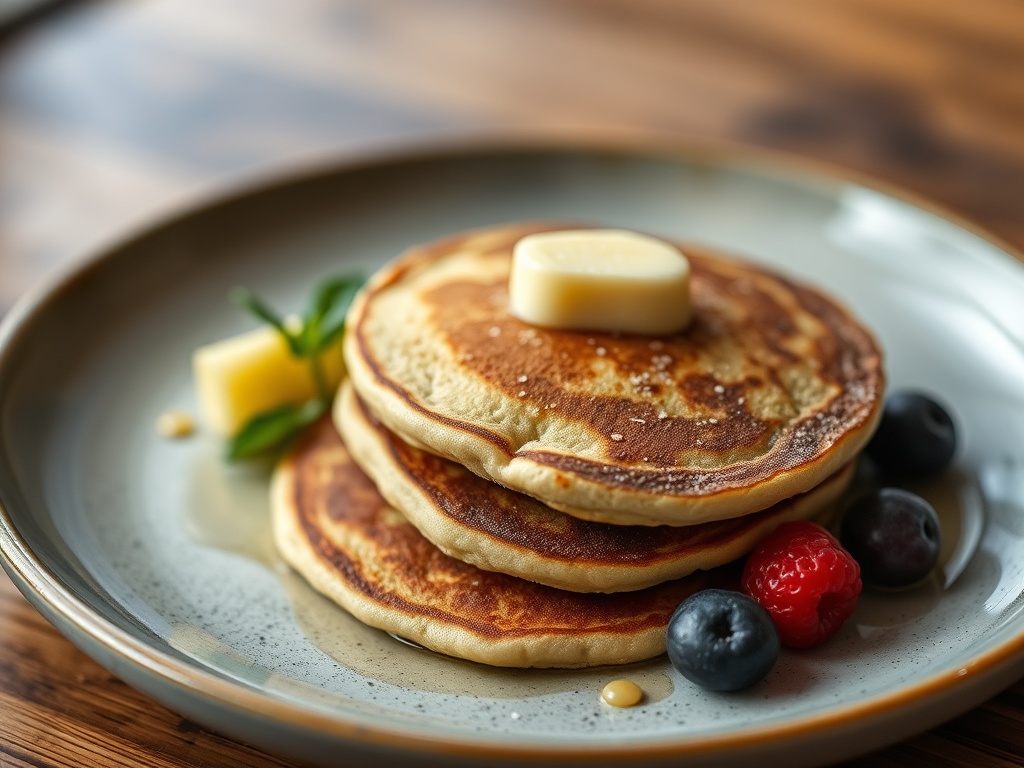
Imagine waking up to the aroma of freshly cooked pancakes, but not just any pancakes. These are Sourdough Pancakes – a breakfast experience that elevates the humble flapjack to new culinary heights. Light, incredibly fluffy, and boasting a subtle tangy depth, these pancakes are a testament to the magic of sourdough. They offer a sophisticated flavor profile that stands apart from their traditional counterparts, making them an instant favorite for weekend brunches or a special weekday treat.
What makes sourdough pancakes so special? It’s all in the starter! The fermentation process, guided by wild yeast and beneficial bacteria, transforms simple ingredients into something extraordinary. This not only imparts that signature tang but also contributes to an unbelievably tender crumb and a delightful chewiness. Plus, it’s a fantastic way to utilize your sourdough discard, turning what might otherwise be “waste” into a delicious and wholesome meal. This recipe promises a simple, delicious journey to pancake perfection, proving that sophisticated flavor doesn’t have to mean complicated cooking.
Beyond their irresistible taste and texture, sourdough pancakes offer a unique appeal. They’re a celebration of slow food, allowing the natural processes of fermentation to enhance both flavor and digestibility. The slight tang pairs beautifully with classic sweet toppings like maple syrup and berries, while also providing a robust base for savory additions. Get ready to discover your new favorite pancake recipe – one that’s as satisfying to make as it is to eat, leaving you with light, airy, and flavorful stacks every time.
Nutritional Information
Per serving (approximate values):
- Calories: 320
- Protein: 10g
- Carbohydrates: 45g
- Fat: 12g
- Fiber: 2g
- Sodium: 480mg
Ingredients
- 1 cup (240g) unfed sourdough discard (100% hydration preferred)
- 1 cup (240ml) milk (dairy or non-dairy)
- 1 1/2 cups (180g) all-purpose flour
- 2 tablespoons granulated sugar (or brown sugar/maple syrup to taste)
- 1 large egg
- 2 tablespoons unsalted butter, melted (or neutral oil like avocado or canola)
- 1 teaspoon baking powder
- 1 teaspoon baking soda
- 1/2 teaspoon salt
- Butter or oil for greasing the griddle
- Optional: 1/2 teaspoon vanilla extract
Instructions
- Overnight Mix (Recommended for Best Flavor): In a large mixing bowl, combine the sourdough discard, milk, all-purpose flour, and granulated sugar. Whisk until just combined, ensuring there are no large lumps of dry flour. The mixture will be thick. Cover the bowl with plastic wrap or a clean kitchen towel and let it sit at room temperature for 8-12 hours, or overnight. This extended fermentation allows the sourdough to develop deeper flavors and a more tender texture.
- Morning Prep: The next morning, or when you’re ready to cook, add the egg, melted butter (and optional vanilla extract) to the sourdough mixture. Whisk well to incorporate.
- Add Dry Leavening Agents: In a separate small bowl, whisk together the baking powder, baking soda, and salt. Sprinkle this mixture over the wet ingredients in the large bowl.
- Gently Combine: Using a whisk or spatula, gently fold the dry leavening agents into the batter until just combined. Do not overmix! Lumps are perfectly fine and indicate a tender pancake. Overmixing will develop the gluten and result in tough pancakes.
- Heat the Griddle: Preheat a griddle or a large non-stick pan over medium heat. Lightly grease it with butter or oil. A good test for temperature is to drop a small amount of water onto the surface; it should sizzle and evaporate quickly.
- Cook the Pancakes: Pour about 1/4 cup of batter per pancake onto the hot griddle. Cook for 2-3 minutes per side, or until bubbles begin to form on the surface and the edges look set. The bottom should be golden brown.
- Flip and Finish: Carefully flip the pancakes and cook for another 1-2 minutes on the second side, until golden brown and cooked through.
- Keep Warm: As you cook the remaining pancakes, transfer the cooked ones to a wire rack set over a baking sheet in a warm oven (around 200°F/95°C) to keep them warm.
- Serve: Serve immediately with your favorite toppings.
Cooking Tips and Variations
Achieving perfect sourdough pancakes is a delightful journey, and a few key tips can elevate your results. Firstly, the condition of your sourdough starter is crucial. Unfed discard, which has been sitting in the fridge for a few days, is ideal for this recipe. Its acidity provides the perfect environment for the baking soda to react, creating extra lift and that characteristic tangy flavor. While a fed, active starter can be used, you might find the tang less pronounced, and the leavening might be slightly different. Don’t be afraid to experiment with your own starter’s unique personality.
One of the most important rules for any pancake, especially sourdough, is to avoid overmixing the batter. Once you’ve added the dry ingredients (baking powder, baking soda, and salt), mix just until everything is combined. A few lumps are not only acceptable but desirable! Overmixing develops gluten, which can lead to a chewy, tough pancake rather than the light, airy texture we’re aiming for. Think of it as a gentle coaxing rather than vigorous whisking.
Batter consistency is another key factor. It should be thick enough to hold its shape when poured onto the griddle but still pour easily. If your batter seems too thick, add a splash more milk, one tablespoon at a time, until you reach the desired consistency. Conversely, if it’s too thin, a tablespoon of flour can help thicken it up. The ideal consistency allows for even spreading and ensures the pancakes cook through without being too dense or too fragile.
Griddle temperature is paramount for beautifully browned and thoroughly cooked pancakes. Medium heat is your sweet spot. If the griddle is too hot, your pancakes will burn on the outside before they’re cooked through internally, leading to a raw center. If it’s too cool, they’ll spread too much, become dry, and won’t achieve that lovely golden-brown crust (the Maillard reaction needs consistent heat to work its magic). Test the temperature by dropping a small amount of water; it should sizzle and evaporate within a second or two.
For variations, the possibilities are endless! For a delightful twist, consider adding a teaspoon of cinnamon or a pinch of nutmeg to the dry ingredients for a warm, spiced flavor. Chocolate chips, fresh blueberries, or sliced bananas can be folded into the batter just before cooking for a burst of sweetness and texture. If you’re feeling adventurous, orange zest can add a bright, citrusy note that complements the sourdough tang beautifully. For those who prefer a nuttier flavor, chopped pecans or walnuts can be a wonderful addition.
You can also experiment with different flours. While all-purpose flour is standard, a blend of half all-purpose and half whole wheat flour can add a rustic flavor and increased fiber. Spelt flour offers a slightly sweeter, nuttier taste, while rye flour can introduce a deeper, more distinct sourdough character. If using whole grain flours, you might need a tiny bit more liquid as they absorb more moisture. Remember that sourdough starter contains wild yeast and lactic acid bacteria, which produce lactic and acetic acids, contributing to the distinct tang and aiding in gluten breakdown, potentially making these pancakes easier to digest for some. The yeast also produces carbon dioxide, which leavens the pancakes, while baking soda reacts with the acidic sourdough to give an extra lift.
Storage and Reheating
Sourdough pancakes are fantastic fresh off the griddle, but they also store and reheat beautifully, making them perfect for meal prepping a quick breakfast throughout the week. To store cooked pancakes, allow them to cool completely to room temperature. This prevents condensation from forming and making them soggy. Once cooled, stack them with parchment paper in between each pancake to prevent sticking. Place the stack in an airtight container or a freezer-safe bag.
Refrigerated pancakes will stay fresh for 3-4 days. For longer storage, cooked pancakes can be frozen for up to 2 months. The parchment paper between layers is especially useful here, allowing you to grab just one or two pancakes without defrosting the entire stack. When freezing, try to remove as much air as possible from the bag to prevent freezer burn.
Reheating is simple and can be done in several ways. For a quick reheat, pop them in the microwave for 30-60 seconds, or until heated through. For a crispier texture reminiscent of freshly made pancakes, use a toaster or toaster oven. This works particularly well for frozen pancakes too. Alternatively, you can reheat them on a griddle or in a non-stick pan over medium-low heat for a few minutes per side, or in a preheated oven at 350°F (175°C) for 5-10 minutes, until warmed through. The overnight fermentation step not only deepens flavor and improves texture but also contributes to their excellent keeping qualities.
Frequently Asked Questions
What kind of sourdough starter should I use for these pancakes?
For the best flavor and texture, it’s recommended to use unfed sourdough discard. This means the starter that has been sitting in your refrigerator for a few days since its last feeding. It will be acidic and active enough to contribute to the tang and leavening. If your starter is very active and recently fed, you can still use it, but the tang might be less pronounced, and you might need to adjust the baking powder/soda slightly, though it’s often not necessary. The key is the lactic acid bacteria producing acids which react with the baking soda for that extra lift.
Can I make these pancakes without the overnight fermentation step?
Yes, you can! While the overnight fermentation step is highly recommended for developing deeper flavor and improving the texture, you can certainly mix all the ingredients (including the egg, melted butter, baking powder, baking soda, and salt) at once and cook the pancakes immediately. They will still be delicious and fluffy, but they might lack some of the complex tang and tenderness that the longer fermentation provides. It’s a great option if you’re short on time but still want to enjoy sourdough pancakes.
My pancakes are tough. What did I do wrong?
The most common reason for tough pancakes is overmixing the batter. Once you add the dry leavening agents (baking powder, baking soda, and salt) to the wet ingredients, mix just until everything is combined. A few lumps in the batter are perfectly fine and actually desirable! Overmixing develops the gluten in the flour, which leads to a chewy, tough texture rather than a light and fluffy one. The wild yeast and lactic acid bacteria in sourdough starter break down some gluten, but overmixing can still negate that benefit.
Can I make these pancakes gluten-free or vegan?
Making them gluten-free can be achieved by using a gluten-free all-purpose flour blend (ensure it contains xanthan gum) and a gluten-free sourdough starter (fed with gluten-free flour). The texture might be slightly different, but it can work. For a vegan option, substitute the milk with plant-based milk (almond, soy, or oat milk work well), replace the egg with a flax egg (1 tablespoon ground flaxseed mixed with 3 tablespoons water, let sit for 5 minutes), and use oil instead of butter in the batter. You will also need to ensure your sourdough starter is fed with plant-based ingredients. These adjustments allow for delicious dietary-friendly options.