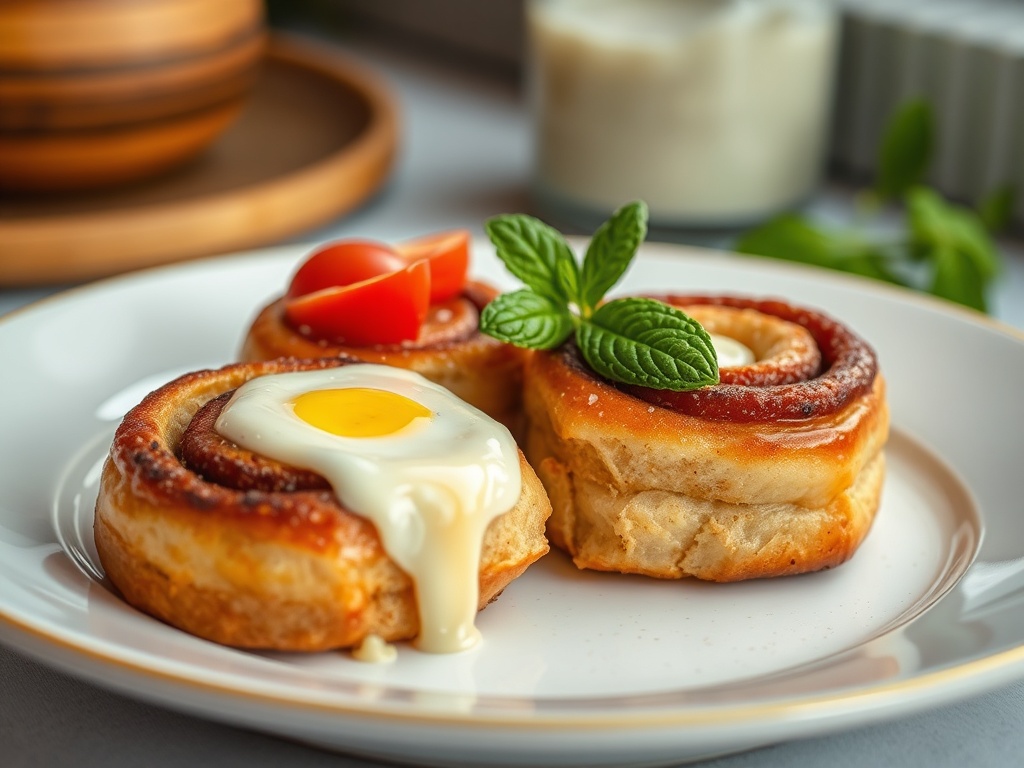
Introduction
Tired of juggling multiple dough recipes, each demanding its own unique set of ingredients and techniques? Wishing for a single, versatile base that delivers perfection every time, whether you’re craving savory or sweet? Your wish has officially been granted! Prepare to unlock the ultimate baking hack that will revolutionize your kitchen and elevate your culinary creations to new heights. This isn’t just a recipe; it’s a foundation, a starting point for an endless array of delicious possibilities.
Imagine effortlessly whipping up the fluffiest, most tender pizza crusts that rival your favorite pizzeria, then, with just a slight tweak in application, transforming that very same dough into the most irresistible, gooey cinnamon rolls that melt in your mouth. This “Magic All-Purpose Dough” is precisely that dream come true. It’s designed for simplicity, consistency, and unparalleled versatility, making it the only dough recipe you’ll ever truly need. Say goodbye to cluttered recipe books and hello to a streamlined, stress-free baking experience that consistently yields golden, airy, and utterly delicious results.
In this comprehensive guide, we’ll unveil the secrets behind this incredible dough. You’ll learn the core recipe, understand the science that makes it so adaptable, and discover how to effortlessly transform it into everything from classic pizzas and decadent cinnamon rolls to savory dinner rolls and even elegant focaccia. We’ll cover essential tips for success, troubleshoot common baking dilemmas, and provide clever make-ahead and storage solutions. Get ready to upgrade your baking game, save time, and impress everyone with your newfound dough mastery. Your baking journey is about to get seriously exciting!
Nutritional Information
Per serving (approximate values for a basic dinner roll portion, without toppings/fillings):
- Calories: 250
- Protein: 7g
- Carbohydrates: 45g
- Fat: 5g
- Fiber: 2g
- Sodium: 280mg
Ingredients
- 1 cup (240ml) warm milk (whole milk recommended for richness, but 2% or even water can be used)
- 2 ¼ teaspoons (7g) active dry yeast (one standard packet)
- 2 tablespoons (25g) granulated sugar, plus a pinch for yeast activation
- 1 teaspoon (6g) salt
- ¼ cup (56g) unsalted butter, melted and slightly cooled (or 4 tablespoons olive oil for a chewier, savory dough)
- 3 ½ to 4 cups (420g to 480g) all-purpose flour, plus more for dusting
Instructions
- Activate the Yeast: In a large mixing bowl (or the bowl of a stand mixer), combine the warm milk, 1 teaspoon of the granulated sugar, and the active dry yeast. The milk should be warm to the touch, about 105-115°F (40-46°C). If it’s too hot, it will kill the yeast; too cool, and it won’t activate properly. Stir gently and let it sit for 5-10 minutes. The mixture should become foamy and bubbly on top, indicating the yeast is active. If it doesn’t foam, your yeast may be old or the water temperature was off, and you’ll need to start again with fresh yeast.
- Combine Wet Ingredients: Once the yeast is activated, add the remaining 2 tablespoons of granulated sugar, the salt, and the melted butter (or olive oil) to the yeast mixture. Stir until well combined.
- Add Flour Gradually: Begin by adding 3 cups of the all-purpose flour to the wet ingredients. Mix with a wooden spoon or a dough hook on a stand mixer on low speed until a shaggy dough forms.
- Knead the Dough:
- By Hand: Turn the dough out onto a lightly floured surface. Begin kneading, incorporating the remaining ½ to 1 cup of flour gradually, a little at a time, until the dough is no longer sticky but still soft and pliable. Knead for 8-10 minutes, pushing the dough away with the heels of your hands, folding it over, and rotating it. The dough should become smooth, elastic, and spring back when gently poked.
- With a Stand Mixer: Attach the dough hook. Mix on low speed for 2 minutes, then increase to medium-low speed. Continue mixing for 6-8 minutes, gradually adding more flour if the dough is too sticky and clinging to the sides of the bowl. The dough should pull away from the sides of the bowl and be smooth and elastic.
- First Proofing (Bulk Fermentation): Lightly grease a large bowl with a little oil. Place the kneaded dough in the bowl, turning it once to coat the top. Cover the bowl tightly with plastic wrap or a clean kitchen towel. Place in a warm, draft-free spot (e.g., a slightly warm oven that’s been turned off, or near a sunny window) for 1 to 1 ½ hours, or until the dough has doubled in size.
- Punch Down the Dough: Once doubled, gently punch down the dough to release the air. At this point, the dough is ready to be shaped into your desired application (pizza, cinnamon rolls, etc.).
Cooking Tips and Variations
The Importance of Temperature: Why Warm Liquid Matters and How to Check Yeast Activity
The temperature of your liquid (milk or water) is paramount for yeast activation. Too cold, and the yeast will remain dormant; too hot, and you’ll kill it, resulting in a dough that won’t rise. Aim for a temperature between 105-115°F (40-46°C). You can check this with a kitchen thermometer. If you don’t have one, it should feel comfortably warm to the touch, like a baby’s bathwater, not hot. The foamy, bubbly appearance after 5-10 minutes is your visual cue that the yeast is alive and ready to work its magic.
Flour Power: All-Purpose vs. Bread Flour
While all-purpose flour works wonderfully for this recipe, you can opt for bread flour, especially if making pizzas or chewier breads. Bread flour has a higher protein content, which means more gluten development, leading to a chewier texture and often a better rise. If using bread flour, you might need a tiny bit more liquid as it absorbs more. For softer, more tender results (like cinnamon rolls), all-purpose flour is ideal.
Milk vs. Water & Butter vs. Oil
- Milk: Using milk instead of water adds richness, tenderness, and a slightly sweeter flavor to your dough. The fats and sugars in milk contribute to a softer crumb and a beautifully golden crust. This is ideal for sweet applications like cinnamon rolls and softer dinner rolls.
- Water: Using water will result in a chewier, crisper crust, which is often preferred for pizzas and focaccia. It creates a more open crumb structure.
- Butter: Melted butter adds a delicious, rich flavor and a tender crumb, perfect for sweet breads and enriched rolls.
- Olive Oil: Using olive oil, especially for savory applications, lends a wonderful aroma and a slightly chewier texture. It also makes the dough easier to work with for pizza and focaccia. Feel free to swap butter for olive oil for a dairy-free option or a more savory profile.
Kneading for Perfection: The Windowpane Test
Proper kneading is crucial for developing gluten, which provides the dough’s structure and elasticity. A well-kneaded dough will pass the “windowpane test.” To perform this, tear off a small piece of dough (about the size of a golf ball) and gently stretch it between your fingers. If you can stretch it thin enough to see light through it without it tearing, your dough is adequately kneaded. If it tears easily, continue kneading for a few more minutes.
Cold Fermentation for Enhanced Flavor
For a more complex flavor profile, especially for pizza or artisan breads, you can perform a “cold fermentation.” After the initial punch down, place the dough in a lightly oiled bowl, cover it tightly, and refrigerate it for 12-24 hours. The cold temperature slows down the yeast activity, allowing for a longer, slower fermentation that develops deeper, more nuanced flavors. When ready to use, take the dough out of the fridge and let it come to room temperature (about 30-60 minutes) before shaping.
Transformative Applications:
- Pizza Perfect: After the first proof and punch down, divide the dough into 1 or 2 portions depending on desired pizza size. On a lightly floured surface, gently stretch or roll the dough into your desired pizza shape. Transfer to a preheated pizza stone or baking sheet. Add your favorite sauce, cheese, and toppings. Bake in a preheated oven at 450-500°F (232-260°C) for 10-15 minutes, or until the crust is golden and cheese is bubbly. A high oven temperature is key for a crispy crust.
- Irresistible Cinnamon Rolls: After the first proof and punch down, roll the dough into a large rectangle (approx. 12×18 inches) on a lightly floured surface. Spread softened butter over the dough, then sprinkle generously with a mixture of brown sugar and cinnamon. Roll the dough tightly from one long side. Using a sharp knife or, even better, unflavored dental floss, cut the log into 12-15 equal slices. Place the rolls in a greased baking dish, leaving a little space between them. Cover and let rise for a second proof in a warm place for 30-45 minutes, or until visibly puffy. Bake at 375°F (190°C) for 20-25 minutes, or until golden brown. Frost with a simple cream cheese frosting while warm.
- Dinner Rolls/Buns: After the first proof, divide the dough into 12-16 equal pieces. Shape each piece into a smooth ball. Place them in a greased baking dish, close together. Cover and let rise for 30-45 minutes (second proof). Bake at 375°F (190°C) for 18-22 minutes, or until golden brown. Brush with melted butter immediately after baking.
- Focaccia: After the first proof, gently press the dough into a well-oiled 9×13 inch baking pan. Drizzle generously with olive oil, then use your fingertips to create deep dimples all over the surface. Sprinkle with flaky sea salt and fresh rosemary. Let rise for 20-30 minutes. Bake at 400°F (200°C) for 20-25 minutes, until golden.
- Garlic Knots: Roll the dough into a large rectangle, brush with melted butter, and sprinkle with garlic powder and dried parsley. Cut into strips, tie each strip into a knot, and place on a baking sheet. Let rise briefly, then bake at 375°F (190°C) for 15-20 minutes. Brush with more garlic butter after baking.
Storage and Reheating
Storing Unbaked Dough:
- Refrigerator: After the first proof and punch down, you can place the dough in a lightly oiled, airtight container or a bowl covered tightly with plastic wrap and refrigerate it for up to 2-3 days. The cold temperature slows down the yeast activity, allowing for a slower fermentation that can actually enhance flavor. When ready to use, remove the dough from the fridge and let it come to room temperature (about 30-60 minutes) before shaping and baking.
- Freezer (for longer storage): You can freeze the unbaked dough for up to 1-2 months. After the first proof and punch down, shape the dough into a ball, lightly oil it, and place it in a freezer-safe bag or airtight container. To use, transfer the frozen dough to the refrigerator overnight to thaw. Then, let it come to room temperature, punch it down gently, and proceed with shaping and baking as usual. You can also par-bake items like pizza crusts or rolls, cool them completely, then freeze.
Storing Baked Goods:
- Pizza: Leftover pizza can be stored in an airtight container or wrapped tightly in foil in the refrigerator for up to 3-4 days.
- Cinnamon Rolls: Store baked and frosted cinnamon rolls in an airtight container at room temperature for 2-3 days, or in the refrigerator for up to 5 days.
- Dinner Rolls/Focaccia: Store in an airtight container or bread bag at room temperature for 2-3 days.
Reheating:
- Pizza: For best results, reheat pizza slices in a skillet on medium-low heat for a few minutes until the crust is crispy and cheese is melted, or in a preheated oven at 350°F (175°C) for 5-10 minutes. Microwaving can make the crust soggy.
- Cinnamon Rolls: Reheat individual cinnamon rolls in the microwave for 15-30 seconds until warm and gooey. You can also reheat them in a preheated oven at 300°F (150°C) for 5-10 minutes, covered loosely with foil to prevent drying out.
- Dinner Rolls/Focaccia: Reheat in a preheated oven at 350°F (175°C) for 5-10 minutes, or until warmed through. You can also slice and toast them.
Frequently Asked Questions
My dough isn’t rising. What went wrong?
The most common reasons for a dough that doesn’t rise are dead yeast or incorrect liquid temperature. Ensure your yeast is fresh (check the expiration date) and that your milk or water is between 105-115°F (40-46°C). If the yeast doesn’t become foamy after 5-10 minutes, it’s best to start over with new yeast and correctly tempered liquid. Too much salt can also inhibit yeast activity, so be precise with your measurements.
My dough is very sticky and hard to handle. What should I do?
A sticky dough often indicates that it needs more flour. When kneading, add flour gradually, a tablespoon at a time, until the dough is no longer excessively sticky but still soft and pliable. Be careful not to add too much flour, as this can result in a dense or tough final product. Weather and humidity can also affect how much flour your dough needs, so always adjust by feel.
Can I make this dough ahead of time?
Absolutely! This dough is fantastic for making ahead. After the first proof and punch down, you can refrigerate the dough in a lightly oiled, airtight container for up to 2-3 days. This slows down the fermentation process, allowing for more flavor development. When you’re ready to bake, simply remove the dough from the fridge, let it come to room temperature for 30-60 minutes, then shape and bake as desired.
What if I don’t have a stand mixer? Can I still make this dough?
Yes, you can definitely make this dough by hand! The instructions include a manual kneading option. It requires a bit more effort and time (typically 8-10 minutes of active kneading), but it’s a very rewarding process. Ensure you have a lightly floured surface and use the heels of your hands to push, fold, and turn the dough until it’s smooth and elastic. The results will be just as wonderful.