Introduction
Are you one of those people who dreams of baking fresh, crusty bread but feels utterly intimidated by the thought of kneading, proofing, and all the intricate steps involved? You’re not alone! Many aspiring home bakers shy away from bread making, believing it requires years of practice and a special touch. But what if I told you there’s a magical method that delivers bakery-quality bread with minimal effort, almost no hands-on time, and absolutely no kneading? Enter the wondrous world of No-Knead Dutch Oven Bread.
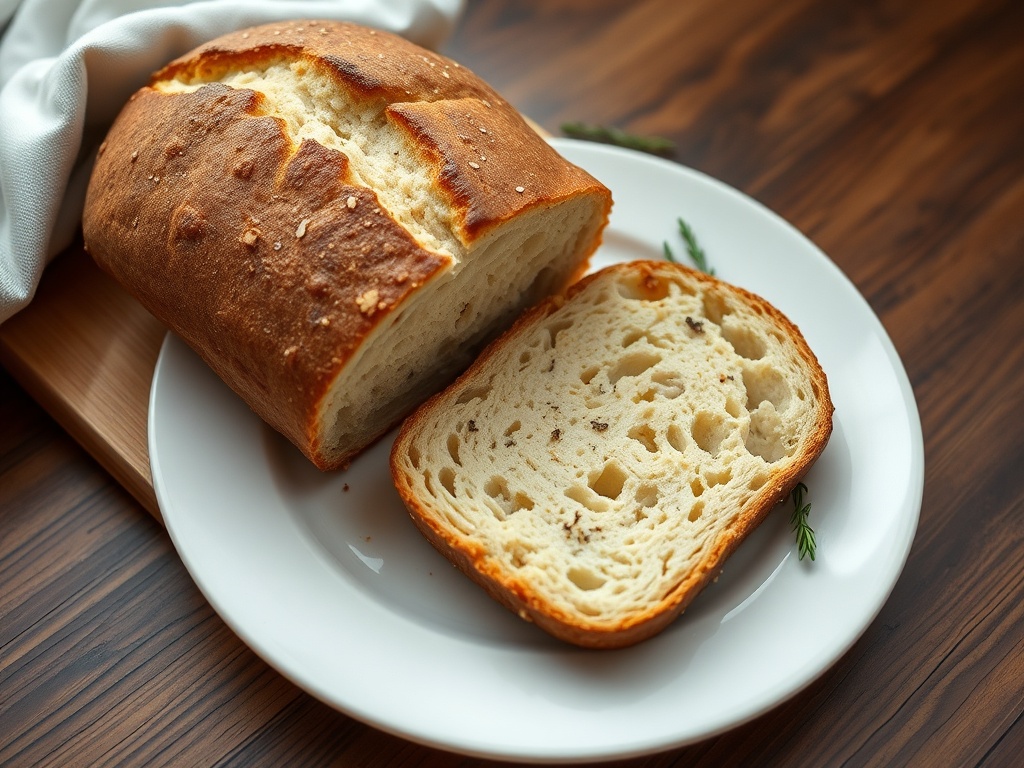
This revolutionary technique has taken the home baking scene by storm, and for good reason. It leverages the power of a long, slow fermentation to develop incredible flavor and a perfect gluten structure, eliminating the need for arduous kneading. The secret to its signature crispy, crackly crust and impossibly airy, chewy interior lies in baking it in a preheated Dutch oven. This simple piece of kitchen equipment acts like a mini-oven within your oven, trapping steam to create the ideal environment for a show-stopping loaf. The result? A stunning, artisan-style bread that looks and tastes like it came from a professional bakery, but was made right in your own kitchen with astonishing ease.
Whether you’re a complete novice in the kitchen or a seasoned cook looking for a foolproof bread recipe, this No-Knead Dutch Oven Bread is about to become your new favorite. Prepare to impress your family and friends with a loaf that boasts a deep, complex flavor, a wonderfully chewy crumb, and a crust that sings when you tap it. Get ready to discover the pure joy of homemade bread, without the fuss!
Nutritional Information
Per serving (approximate values, based on 12 servings per loaf):
- Calories: 170 kcal
- Protein: 5g
- Carbohydrates: 35g
- Fat: 1g
- Fiber: 2g
- Sodium: 300mg
Ingredients
- 3 cups (360g) all-purpose flour (or bread flour for a chewier crumb)
- 1 ½ teaspoons kosher salt (or 1 teaspoon fine sea salt)
- ½ teaspoon instant yeast (or active dry yeast)
- 1 ½ cups (360ml) lukewarm water (about 100-110°F or 38-43°C)
- Extra flour for dusting
- Parchment paper (optional, but highly recommended)
Instructions
- Mix the Dough: In a large mixing bowl, combine the flour, salt, and instant yeast. If using active dry yeast, you can either mix it directly with the dry ingredients (it will activate during the long rise) or proof it first by dissolving it in the lukewarm water for 5-10 minutes until foamy, then add to the dry ingredients.
- Add the lukewarm water to the dry ingredients. Using a sturdy spatula or wooden spoon, mix until all the flour is hydrated and no dry spots remain. The dough will be very shaggy and sticky – this is exactly what you want! Do not overmix; just ensure everything is combined.
- First Rise (Long Fermentation): Cover the bowl tightly with plastic wrap or a clean kitchen towel. Let the dough rest at room temperature (ideally between 68-72°F or 20-22°C) for 12 to 18 hours. A longer rise generally develops more complex flavors. During this time, the dough will become bubbly, will have increased in volume significantly, and will have developed a network of gluten strands.
- Prepare for Second Rise: After the long rise, lightly flour a clean work surface. Gently scrape the dough out of the bowl onto the floured surface. Avoid punching down the dough or handling it too roughly, as this will release the precious air bubbles.
- Lightly flour your hands. Gently fold the edges of the dough towards the center, forming a rough ball. You’re not kneading, just creating some surface tension. Turn the dough seam-side down.
- Second Rise (Proofing): Prepare a clean bowl (same size as your mixing bowl or slightly smaller) or a proofing basket (banneton) by heavily dusting it with flour (rice flour works exceptionally well to prevent sticking). Carefully transfer the shaped dough ball, seam-side up, into the prepared bowl or basket.
- Cover the bowl or basket with a clean kitchen towel and let it rest for another 30-60 minutes at room temperature. During this time, the dough will puff up slightly and lighten.
- Preheat Oven and Dutch Oven: About 30 minutes into the second rise, place your empty Dutch oven (with its lid) into your cold oven. Preheat the oven to 450°F (232°C). Allow the Dutch oven to preheat for at least 30 minutes with the oven, ensuring it is scorching hot. This is crucial for achieving that amazing crust and oven spring.
- Bake the Bread (Covered): Carefully remove the scorching hot Dutch oven from the oven using thick oven mitts and place it on a heat-safe surface. If using parchment paper, gently lift the dough by the parchment and carefully lower it into the hot Dutch oven. If not using parchment, carefully invert the dough directly from the proofing bowl into the hot Dutch oven. The dough will sizzle as it hits the hot surface.
- Place the lid back on the Dutch oven. Carefully return the covered Dutch oven to the preheated oven.
- Bake covered for 30 minutes. The steam trapped inside will create a soft, pliable crust, allowing the bread to expand beautifully.
- Bake Uncovered: After 30 minutes, carefully remove the lid from the Dutch oven (watch out for escaping steam!). Return the uncovered Dutch oven to the oven and bake for an additional 15-25 minutes, or until the crust is a deep golden brown and sounds hollow when tapped. For a truly dark, crisp crust, you can bake a little longer.
- Cool Completely: Using oven mitts, carefully remove the Dutch oven from the oven. Lift the bread out of the Dutch oven (using the parchment paper handles if applicable) and transfer it to a wire cooling rack.
- This step is absolutely critical: Let the bread cool on the wire rack for at least 1-2 hours, or until completely cooled to the touch. Slicing hot bread will result in a gummy interior because the starches are still setting.
- Once cooled, slice and enjoy your magnificent homemade No-Knead Dutch Oven Bread!
Cooking Tips and Variations
Achieving that perfect loaf of No-Knead Dutch Oven Bread is incredibly satisfying, and with a few key tips, you’ll be baking like a pro in no time. Firstly, remember that patience truly is a virtue with this recipe. The long fermentation isn’t just about convenience; it’s where the magic happens, developing those complex flavors and the airy, open crumb structure. Don’t rush it! Similarly, don’t be afraid of the sticky dough. No-knead dough is intentionally high in hydration, which is essential for that signature open crumb. Resist the urge to add extra flour during the initial mixing, even if it feels incredibly wet. A light dusting of flour on your work surface and hands during shaping is usually sufficient. Another critical tip is to ensure your Dutch oven is thoroughly preheated. Placing it in a cold oven and letting it heat up with the oven guarantees it reaches the high temperature needed for maximum oven spring and a spectacularly crispy crust. The trapped steam inside the covered Dutch oven is what allows the bread to expand fully before the crust sets, mimicking a professional baker’s steam-injected oven. Finally, and perhaps most importantly, always cool your bread completely on a wire rack before slicing. This allows the internal structure to set properly. Slicing too early traps steam and leads to a dense, gummy interior, ruining all your hard work.
Once you’ve mastered the basic recipe, the possibilities for variations are endless! For a savory twist, try adding Herbed Bread by mixing 1-2 tablespoons of dried herbs like rosemary, thyme, or oregano into the dry ingredients. You could also create Garlic & Parmesan Bread by incorporating 2-3 cloves of minced garlic and ½ cup of grated Parmesan cheese into the dough during the initial mix. For a different texture and flavor profile, consider making Whole Wheat Bread by substituting up to 1 cup of the all-purpose flour with whole wheat flour (you may need to add an extra tablespoon or two of water as whole wheat flour absorbs more liquid). Everyone loves cheese, so why not make Cheese Bread by folding in 1 cup of shredded cheddar, Gruyère, or Monterey Jack during the initial shaping step? For those with a sweet tooth, a slightly different approach yields Sweet Bread: add 2-3 tablespoons of sugar and 1-2 teaspoons of cinnamon to the dry ingredients, and perhaps a handful of raisins or dried cranberries. Remember to adjust the salt slightly if adding a lot of sweet elements. Experimenting with these variations will not only expand your baking repertoire but also allow you to personalize your homemade bread to suit any meal or craving.
Storage and Reheating
Proper storage is key to keeping your homemade No-Knead Dutch Oven Bread fresh and delicious for as long as possible. Once your bread has completely cooled (this is non-negotiable for storage too!), the best way to store it depends on how quickly you plan to eat it. For bread that will be consumed within 1-2 days, simply store it at room temperature. An airtight bread box is ideal, as it allows for some air circulation while preventing the bread from drying out too quickly. If you don’t have a bread box, you can wrap the cooled loaf loosely in a clean kitchen towel and place it in a paper bag, or wrap it tightly in plastic wrap or aluminum foil. Avoid storing it in the refrigerator, as the cold temperatures can actually cause bread to stale faster than at room temperature.
If you anticipate needing to store the bread for longer, or if you’ve baked a large loaf and want to preserve its freshness, freezing is an excellent option. Once the bread is completely cool, you can freeze it whole, in halves, or pre-sliced. For whole or half loaves, wrap them tightly in plastic wrap, then an additional layer of aluminum foil to prevent freezer burn. For pre-sliced bread, stack the slices and wrap them in the same manner, or place them in a freezer-safe bag with as much air removed as possible. Frozen bread can last for up to 3 months. When you’re ready to enjoy it, simply remove it from the freezer and let it thaw at room temperature for a few hours, or overnight.
Reheating your No-Knead Dutch Oven Bread can bring back much of its original glory, especially if you want to restore that crisp crust. For a whole or half loaf, preheat your oven to 350°F (175°C). You can lightly spritz the loaf with water (this helps re-crisp the crust) or wrap it loosely in foil. Bake for 10-15 minutes, or until warmed through and the crust is revitalized. If reheating individual slices, you can toast them in a toaster, toaster oven, or even a dry pan on the stovetop until golden and crisp. For frozen slices, you can often pop them directly into the toaster without thawing. Avoid using a microwave to reheat bread, as it tends to make it soft and chewy, losing that desirable crust.
Frequently Asked Questions
Why is my bread gummy in the middle?
A gummy interior is almost always a sign that you sliced into the bread too soon. The bread continues to cook and set as it cools, and slicing it while it’s still warm traps steam, preventing the starches from fully firming up. It’s crucial to let your No-Knead Dutch Oven Bread cool completely on a wire rack for at least 1-2 hours (or even longer for very large loaves) before cutting into it. Patience is key to achieving that perfect, airy, and non-gummy crumb!
Can I use active dry yeast instead of instant yeast?
Yes, you can absolutely use active dry yeast in this recipe. The main difference is that active dry yeast typically needs to be “proofed” or activated first. To do this, dissolve the ½ teaspoon of active dry yeast in the 1 ½ cups of lukewarm water (ensure it’s not too hot, around 100-110°F or 38-43°C) and let it sit for 5-10 minutes until it becomes foamy. This foam indicates the yeast is alive and active. Then, add this yeast mixture to your dry ingredients and proceed with the recipe as usual. While some recipes allow direct mixing, proofing active dry yeast ensures its viability and gives you a head start.
My dough didn’t rise much during the long fermentation. What went wrong?
There are a few common reasons why your dough might not have risen adequately. First, check the expiration date on your yeast; old or expired yeast won’t be active. Second, the water temperature is critical – if it was too hot, it could have killed the yeast, and if it was too cold, it wouldn’t have activated it properly. Aim for lukewarm (around 100-110°F). Third, the room temperature where the dough is rising plays a role. If your kitchen is very cold, the fermentation will be much slower. Try placing the dough in a slightly warmer spot, but avoid anything too hot, which can over-proof the dough too quickly. Lastly, ensure your bowl was adequately covered; exposure to air can dry out the dough surface and inhibit rising.