Introduction
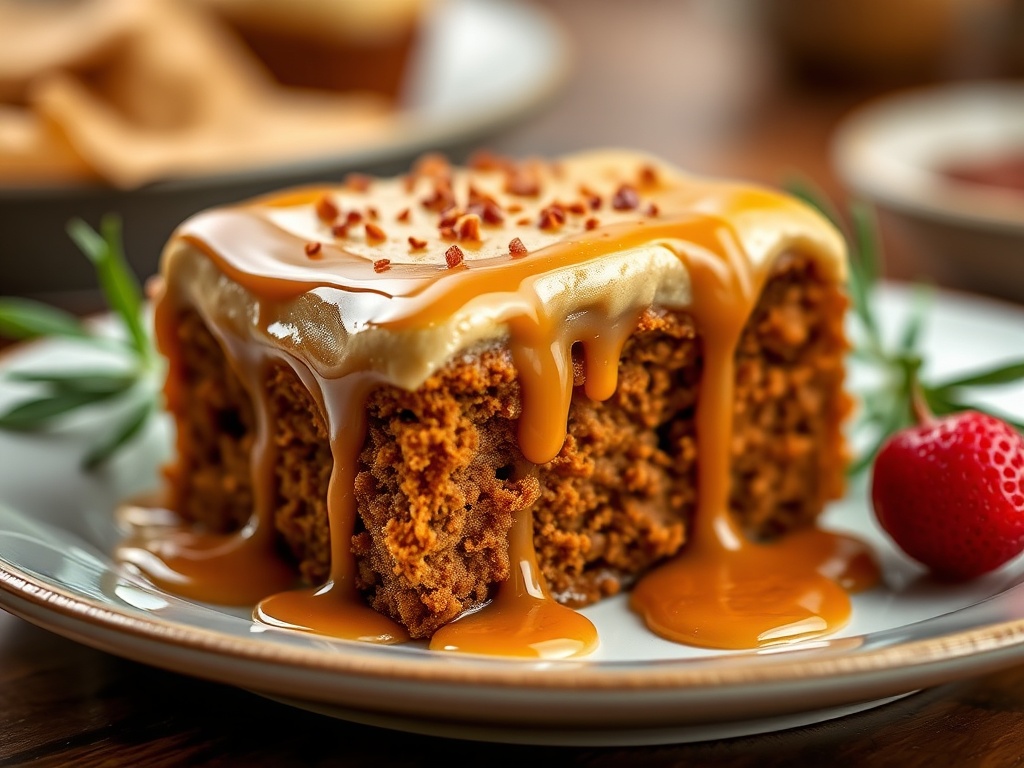
Imagine a frosting so rich, so velvety, and so utterly irresistible that it transforms any dessert into a masterpiece. That, my friends, is the magic of homemade caramel frosting. It’s a culinary dream, a symphony of sweet and savory notes that dances on your palate, leaving behind a lingering warmth and a profound sense of satisfaction. While store-bought options exist, they simply can’t compare to the depth of flavor and the silken texture achieved when you craft this delight from scratch. The process of caramelization itself is a fascinating journey, turning humble sugar into a golden elixir that forms the very soul of this incredible topping.
This isn’t just any frosting; it’s an experience. The rich, amber hue promises indulgence, and the first spoonful delivers. Its versatility is truly remarkable, elevating everything from classic vanilla cakes and chocolate cupcakes to humble brownies and even simple sugar cookies. Forget cloyingly sweet, artificial flavors; this recipe yields a frosting that is balanced, complex, and incredibly addictive. It’s the kind of frosting that makes you want to lick the bowl clean and then reach for another slice, just to savor that perfect caramel embrace once more.
Many shy away from making caramel, fearing the delicate balance between golden perfection and burnt bitterness. But fear not! This guide will demystify the process, turning what seems like an intimidating task into an enjoyable culinary adventure. We’ll explore the science behind caramelization, the role of each ingredient, and provide foolproof steps to ensure your success. Get ready to impress your friends and family, and most importantly, yourself, with the ultimate homemade caramel frosting. Your desserts are about to get a serious upgrade.
Nutritional Information
Per serving (approximate values):
- Calories: 220
- Protein: 1g
- Carbohydrates: 35g
- Fat: 9g
- Fiber: 0g
- Sodium: 60mg
Ingredients
- 1 cup (200g) granulated sugar
- 1/4 cup (60ml) water
- 1/2 cup (113g) unsalted butter, cut into cubes
- 1/2 cup (120ml) heavy cream
- 1 teaspoon pure vanilla extract
- 1/2 teaspoon fine sea salt (or more, to taste)
- 2 cups (240g) powdered sugar, sifted
Instructions
- In a heavy-bottomed saucepan, combine the granulated sugar and water. Stir gently just until the sugar is moistened. Avoid stirring extensively, as this can encourage crystallization.
- Place the saucepan over medium heat. Cook without stirring. You can gently swirl the pan occasionally to ensure even heating.
- As the sugar heats, it will dissolve and then begin to bubble. Continue cooking until the mixture turns a beautiful amber or copper color. This process takes patience and close attention. Do not walk away from the stove. If sugar crystals form on the sides of the pan, use a wet pastry brush to gently wash them down.
- Once the caramel reaches the desired color (a rich amber, not dark brown, which indicates burning), immediately remove the pan from the heat.
- Carefully and slowly pour in the heavy cream while continuously whisking. Be extremely cautious as the mixture will bubble up vigorously and release a lot of steam. Continue whisking until smooth.
- Add the cubed unsalted butter to the caramel mixture. Whisk until the butter is fully melted and incorporated, creating a smooth, glossy sauce.
- Stir in the vanilla extract and fine sea salt. Taste and adjust salt if desired; a little extra salt can really enhance the caramel flavor.
- Pour the caramel sauce into a heatproof bowl. Allow it to cool completely to room temperature. This is a crucial step for achieving the right frosting consistency. The sauce will thicken significantly as it cools. You can place it in the refrigerator for faster cooling, stirring occasionally, but ensure it’s not cold and solid.
- Once the caramel sauce is at room temperature and thick, add the sifted powdered sugar to a large mixing bowl.
- Pour the cooled caramel sauce into the bowl with the powdered sugar.
- Using an electric mixer (handheld or stand mixer with a paddle attachment), start mixing on low speed until the powdered sugar is just incorporated.
- Increase the speed to medium-high and beat for 3-5 minutes, or until the frosting is light, fluffy, and spreadable. The frosting will lighten in color and become airy. If it’s too stiff, add a tiny splash of milk or cream (1 teaspoon at a time). If it’s too runny, add a little more sifted powdered sugar (1 tablespoon at a time).
- Your decadent homemade caramel frosting is now ready to use!
Cooking Tips and Variations
Achieving the perfect caramel frosting is an art, and a few key tips can elevate your results from good to exceptional. Firstly, always use a heavy-bottomed saucepan. This ensures even heat distribution, preventing hot spots that can cause the sugar to burn in one area while remaining uncooked in another. Patience is truly a virtue when making caramel; resist the urge to crank up the heat to speed up the process, as this almost guarantees a burnt, bitter outcome. Medium heat allows for controlled caramelization, giving you time to observe the color change carefully. A candy thermometer, while not strictly necessary for this recipe if you’re confident in judging color, can be a great tool for beginners, aiming for around 340-350°F (170-175°C) for a rich amber. Keep a bowl of ice water nearby, just in case you need to quickly stop the cooking process by dipping the bottom of the pan into it, though careful monitoring should prevent this.
When adding the heavy cream and butter, be prepared for a vigorous reaction. The cold liquid hitting the hot caramel will create a lot of steam and bubbling. Pour slowly and whisk continuously to ensure everything emulsifies smoothly. For an extra layer of flavor, consider using brown butter. Simply melt the butter in a separate pan until it turns a nutty brown color and smells fragrant, then strain out any solids before adding it to your caramel. This adds a delightful depth to the frosting. For a spiced caramel frosting, infuse the heavy cream with a cinnamon stick, a few cloves, or a star anise while it’s gently heated, then strain it before adding to the caramel. A pinch of cayenne pepper can also introduce a subtle, exciting kick, creating a “spicy caramel” variation that pairs wonderfully with chocolate desserts.
Another variation involves using a different type of sugar. While granulated sugar is standard, you can experiment with light brown sugar for a deeper, more molasses-like flavor in your caramel, though the initial caramelization process might look slightly different. For a truly luxurious texture, some bakers like to add a tablespoon of corn syrup to the sugar and water mixture at the beginning. This acts as an anti-crystallization agent, making the caramel-making process even more foolproof. Remember, the final whipping stage is crucial for incorporating air and achieving that light, fluffy consistency. Don’t skimp on this step! If your frosting seems too dense, whip it for a minute or two longer. Conversely, if it’s too soft, chilling it briefly in the refrigerator can help firm it up before re-whipping.
Storage and Reheating
Proper storage is essential to maintain the freshness and texture of your homemade caramel frosting. Once prepared, this frosting can be stored in an airtight container at room temperature for up to 2-3 days. This is ideal if you plan to use it within a short timeframe and your kitchen isn’t excessively warm. For longer storage, or if your kitchen is particularly warm, it’s best to refrigerate the frosting. In the refrigerator, it will keep well for up to one week.
When refrigerated, the caramel frosting will firm up considerably, becoming quite stiff. To bring it back to a spreadable consistency, simply remove it from the refrigerator about 30-60 minutes before you plan to use it, allowing it to come to room temperature. If it’s still too firm, you can gently re-whip it with an electric mixer for a minute or two, adding a tiny splash of milk or cream (1 teaspoon at a time) if needed, until it reaches your desired texture. Avoid microwaving the entire batch, as this can cause it to separate or become oily. If you need to soften a small portion quickly, you can microwave it for very short bursts (5-10 seconds) on low power, stirring thoroughly after each burst, but be very careful not to overheat it.
Caramel frosting also freezes surprisingly well. For longer-term storage, transfer the frosting to a freezer-safe, airtight container. It can be frozen for up to 2-3 months. When you’re ready to use it, transfer the frozen frosting to the refrigerator to thaw overnight. Once thawed, allow it to come to room temperature, then re-whip it as described above to restore its smooth, fluffy texture before applying to your baked goods. Always ensure the frosting is completely covered to prevent it from drying out or absorbing odors from other foods in the refrigerator or freezer.
Frequently Asked Questions
What causes my caramel to crystalize, and how can I prevent it?
Crystallization occurs when sugar molecules, once dissolved, reform into solid crystals, often triggered by undissolved sugar particles or impurities. To prevent this, ensure your saucepan is meticulously clean before starting. When combining sugar and water, stir only until the sugar is moistened, then avoid stirring during the cooking process. If sugar crystals appear on the sides of the pan, use a wet pastry brush to gently wash them down into the boiling sugar syrup. Some recipes also add a tiny amount of cream of tartar or corn syrup, which are anti-crystallization agents, though this recipe is designed to work without them if the steps are followed carefully.
My caramel frosting is too runny/too stiff. How do I fix the consistency?
If your caramel frosting is too runny, it likely needs more powdered sugar. Add sifted powdered sugar, one tablespoon at a time, beating well after each addition until the desired consistency is reached. If the frosting is too stiff, it might need a little more liquid. Add heavy cream or milk, one teaspoon at a time, beating until it becomes smooth and spreadable. Temperature can also play a role; if the caramel sauce wasn’t cooled enough before mixing with powdered sugar, it can result in a softer frosting, while over-chilling can make it too stiff.
Why did my caramel burn, and how can I avoid it next time?
Caramel burns quickly because sugar has a narrow window between perfectly caramelized and burnt. The most common reasons are cooking on too high heat or not watching it closely enough. Always use medium heat and never leave the pan unattended once the sugar starts to bubble and change color. The color will progress from clear to pale yellow, then amber, and finally to dark brown. You want to remove it from the heat when it’s a rich amber, before it turns dark brown and develops a bitter, burnt taste. A heavy-bottomed pan also helps distribute heat more evenly, reducing the risk of scorching.
Can I make this frosting ahead of time?
Yes, absolutely! This caramel frosting is an excellent candidate for making ahead. You can prepare the entire frosting recipe and store it in an airtight container in the refrigerator for up to a week. When you’re ready to use it, simply let it come to room temperature for about 30-60 minutes, then give it a good re-whip with an electric mixer for a minute or two to restore its light, fluffy, and spreadable consistency. If it’s still a bit stiff, you can add a tiny splash of milk or cream while re-whipping.