Introduction
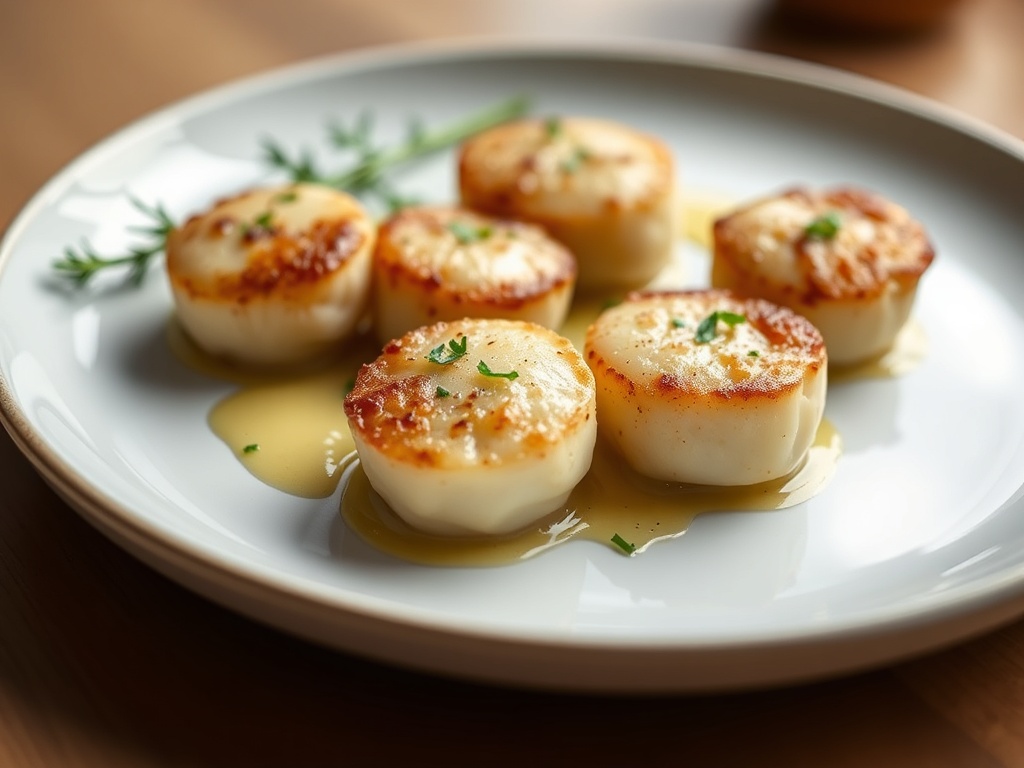
Imagine a dish so elegant, so bursting with flavor, yet deceptively simple to create that it feels like a culinary secret. That, my friends, is the magic of Garlic Butter Baked Scallops. These pearly white jewels of the sea, with their naturally sweet and delicate flavor, are transformed into an unforgettable meal when bathed in a rich, aromatic garlic butter sauce and gently baked to perfection. It’s the kind of dish that whispers “gourmet” but shouts “easy weeknight dinner”—a true culinary paradox that we are absolutely thrilled to unravel for you today.
Garlic Butter Baked Scallops are a testament to the power of quality ingredients and minimal fuss. Unlike their pan-seared cousins, which demand a watchful eye and precise timing, baking offers a more forgiving approach, allowing the scallops to gently cook through in their flavorful bath. The result is a tender, succulent bite every single time, infused with the irresistible punginess of fresh garlic and the luxurious richness of butter, brightened by a squeeze of lemon. It’s a dish that promises restaurant-quality indulgence without the restaurant price tag or the kitchen stress.
You’ll fall head over heels for this recipe because it delivers on so many fronts. It’s incredibly quick, making it ideal for those busy evenings when you crave something special but are short on time. The minimal effort involved means less time slaving over a hot stove and more time savoring each exquisite mouthful. Plus, its inherent elegance makes it a fantastic choice for impressing guests, whether for a romantic dinner for two or a sophisticated dinner party. Versatile enough to be paired with a simple side or integrated into a more elaborate meal, these garlic butter baked scallops are about to become your new favorite seafood sensation.
Nutritional Information
Per serving (approximate values):
- Calories: 320
- Protein: 25g
- Carbohydrates: 3g
- Fat: 24g
- Fiber: 0g
- Sodium: 450mg
Ingredients
- 1.5 pounds large sea scallops, dry-packed
- 1/2 cup unsalted butter, melted
- 4-5 cloves garlic, freshly minced
- 2 tablespoons fresh lemon juice
- 2 tablespoons fresh parsley, finely chopped, plus more for garnish
- 1/2 teaspoon sea salt, or to taste
- 1/4 teaspoon black pepper, freshly ground, or to taste
- Optional: 1 tablespoon dry white wine (like Sauvignon Blanc or Pinot Grigio)
- Optional: 1/4 teaspoon red pepper flakes, for a touch of heat
- Optional: 1/4 cup panko breadcrumbs, for a crispy topping
Instructions
- Prepare the Scallops: Gently rinse the scallops under cold water. Using paper towels, pat them thoroughly dry on all sides. This is a crucial step for achieving good texture and preventing them from steaming. Inspect each scallop and remove the small, crescent-shaped side muscle (adductor muscle) if present, as it can be chewy. Discard the muscle.
- Preheat Oven and Prepare Baking Dish: Preheat your oven to 400°F (200°C). Lightly grease an oven-safe baking dish (such as a gratin dish, ceramic baking dish, or cast iron skillet) large enough to hold the scallops in a single layer without overcrowding. Individual ramekins can also be used for single servings.
- Make the Garlic Butter Sauce: In a small bowl, combine the melted unsalted butter, freshly minced garlic, fresh lemon juice, chopped fresh parsley, sea salt, and black pepper. Stir well to combine. If using, stir in the optional dry white wine and/or red pepper flakes.
- Arrange Scallops in Dish: Place the patted-dry scallops in a single layer in your prepared baking dish. Ensure they are not overlapping or overcrowded, as this will cause them to steam rather than bake evenly.
- Pour Garlic Butter Over Scallops: Drizzle the prepared garlic butter sauce evenly over the scallops, making sure each scallop is coated.
- Add Optional Topping (If Desired): If you prefer a crispy topping, sprinkle the panko breadcrumbs evenly over the scallops at this stage.
- Bake the Scallops: Place the baking dish in the preheated oven and bake for 10-15 minutes. The exact baking time will depend on the size and thickness of your scallops. Begin checking for doneness around the 10-minute mark.
- Check for Doneness: Scallops are cooked when they turn opaque throughout and the edges are slightly golden. They should feel firm but still tender to the touch. Be careful not to overcook them, as they can quickly become rubbery.
- Garnish and Serve: Once cooked, carefully remove the baking dish from the oven. Garnish with additional fresh chopped parsley. Serve immediately, perhaps with a spoon to drizzle extra garlic butter sauce from the dish over the scallops or accompanying sides.
Cooking Tips and Variations
Achieving perfectly tender, flavorful scallops every time is easier than you think, especially with a few insider tips. The most critical step in this recipe is ensuring your scallops are dry-packed and then meticulously patted dry before baking. Dry-packed scallops haven’t been treated with phosphates, which means they won’t release excess water during cooking, allowing them to bake beautifully and absorb all that delicious garlic butter. Patting them dry with paper towels removes any surface moisture, which would otherwise steam the scallops instead of allowing them to develop those desirable golden edges and tender texture. If you rush this step, you risk a watery sauce and rubbery scallops, so take your time here!
Another crucial element is don’t overcook them! Scallops cook very, very quickly. They are delicate and transform from tender to tough in a matter of minutes. Keep a close eye on them, especially towards the end of the baking time. They should be opaque throughout and feel slightly firm but still yielding when gently pressed. If you see them shriveling or becoming very dense, they’re likely past their prime. Learning to recognize the visual cues for doneness will save you from rubbery scallops.
When arranging your scallops in the baking dish, always ensure they are in a single layer and not overcrowded. Overcrowding lowers the pan temperature and causes the scallops to steam in their own juices rather than baking evenly and developing flavor. If you have a large batch, it’s better to use two dishes or bake in batches than to cram them all into one pan. Also, remember that these scallops are best enjoyed immediately. Their delicate texture and flavor are at their peak right out of the oven, so have your sides ready and serve without delay.
This recipe provides a fantastic base for creativity with several variations to suit your taste. For a bit of heat, simply add red pepper flakes to the garlic butter mixture. If you love fresh herbs, feel free to experiment beyond parsley; fresh thyme or dill can add wonderful aromatic notes. For a richer, more savory profile, a sprinkle of freshly grated Parmesan cheese over the scallops before baking adds a delightful cheesy crust. And if you crave a textural contrast, don’t skip the optional panko breadcrumbs. Toasted panko provides a lovely crunch that complements the tender scallops beautifully. For an extra layer of flavor, you can briefly sauté the panko in a little butter until golden before sprinkling it over the scallops prior to baking.
Storage and Reheating
While Garlic Butter Baked Scallops are truly at their best when enjoyed fresh, straight from the oven, you might occasionally find yourself with leftovers. It’s important to manage your expectations regarding their texture upon reheating, as scallops are notoriously finicky.
For storage, allow any leftover scallops to cool completely to room temperature. Once cooled, transfer them to an airtight container and store them in the refrigerator. They will keep safely for up to 1-2 days. Beyond that, their quality significantly diminishes, and it’s best to discard them for food safety reasons.
Reheating scallops is generally not recommended if you want to preserve their delicate, tender texture. The heat from reheating tends to make them rubbery and tough. However, if you must reheat them, do so gently and quickly to minimize the negative impact. Your best bet is to use a very low temperature. You can try reheating them in a pan over low heat on the stovetop, just until warmed through, being careful not to cook them further. Alternatively, place them in a preheated oven at a very low temperature (around 250°F / 120°C) for just 5-7 minutes, again, only until they are warm. Avoid the microwave, as it’s almost guaranteed to turn them into rubber. Expect a compromise in texture compared to fresh scallops, but the flavor will still be enjoyable.
Frequently Asked Questions
What’s the difference between “dry-packed” and “wet-packed” scallops, and why does it matter?
Dry-packed scallops are sold without any added water or preservatives. They are natural, slightly off-white, and have a natural texture. Wet-packed scallops, on the other hand, have been soaked in a phosphate solution (like STP) to preserve them and make them absorb water, increasing their weight. This matters significantly because wet-packed scallops release a lot of moisture when cooked, making it impossible to get a good golden-brown crust and often resulting in a rubbery texture. Always choose dry-packed for the best results, especially for baking or searing.
Can I use frozen scallops for this recipe?
Yes, you can use frozen scallops, but proper thawing is crucial. Thaw them overnight in the refrigerator or under cold running water. Once thawed, it’s even more important to pat them extremely dry with paper towels, as frozen scallops tend to release more moisture than fresh ones. Ensure they are completely dry before proceeding with the recipe to prevent a watery sauce and rubbery texture.
My scallops turned out rubbery. What went wrong?
There are a few common culprits for rubbery scallops. The most frequent reason is overcooking; scallops cook very quickly, and even a minute or two too long can make them tough. Another reason could be using wet-packed scallops, which release excess water and steam rather than bake properly. Finally, not thoroughly patting the scallops dry before baking can also lead to a rubbery texture, as the moisture prevents proper cooking and can cause them to steam.
What are some good side dishes to serve with these scallops?
Garlic Butter Baked Scallops pair beautifully with a variety of sides. For vegetables, consider roasted asparagus, green beans almandine, or sautéed spinach. Creamy polenta or a light risotto make excellent starchy accompaniments. A simple green salad with a bright vinaigrette offers a refreshing contrast. And don’t forget some crusty bread to soak up all that delicious garlic butter sauce!