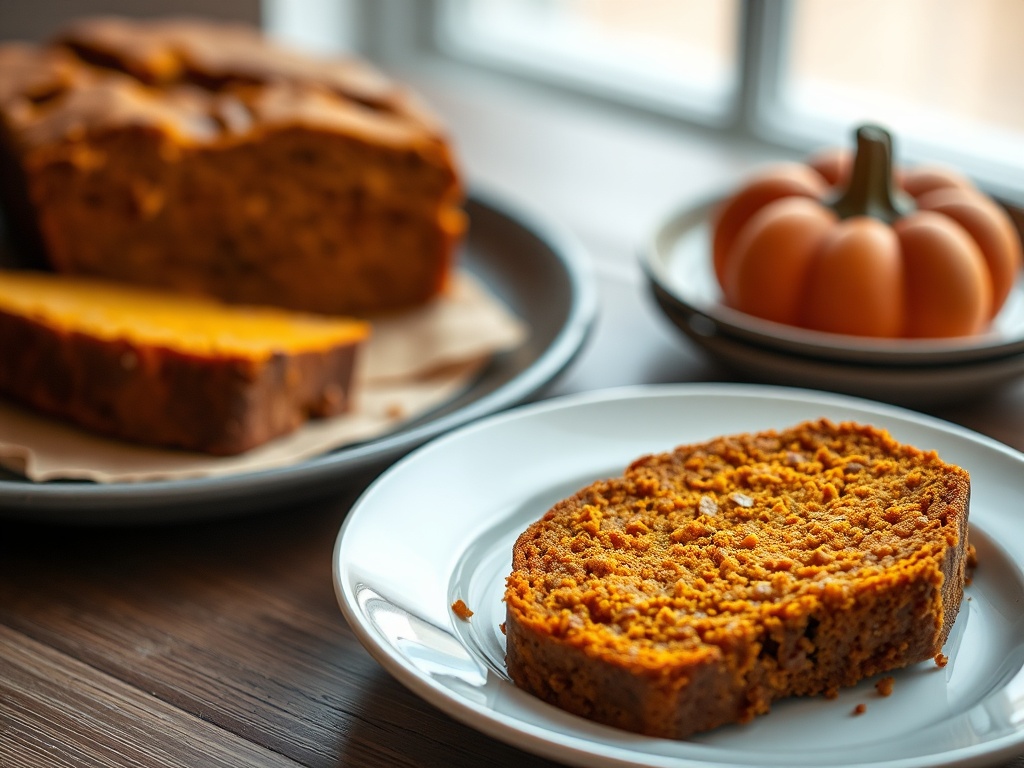
Introduction
As the leaves begin to turn brilliant shades of crimson and gold, and a crisp, inviting chill fills the air, there’s one scent that truly captures the essence of autumn: the warm, spicy aroma of freshly baked pumpkin bread. This beloved seasonal treat holds a special place in our hearts and kitchens, offering a comforting embrace with every tender slice. It’s more than just a baked good; it’s a symbol of cozy gatherings, holiday anticipation, and the simple joy of homemade goodness.
Pumpkin bread is a perennial fall favorite for good reason. Its rich, moist texture, infused with the earthy sweetness of pumpkin and a symphony of warming spices like cinnamon, nutmeg, ginger, and cloves, evokes a profound sense of nostalgia and comfort. It’s a versatile star, equally at home gracing a breakfast table with a steaming mug of coffee, serving as a delightful afternoon snack, or even transforming into an unexpected dessert. What makes our recipe truly special is its incredible ease, ensuring that even the most novice baker can achieve bakery-quality results without any fuss. Say goodbye to complicated steps and obscure ingredients; this is your new go-to for effortless autumn bliss.
Get ready to infuse your home with the irresistible fragrance of fall baking. This “Easy Pumpkin Bread Recipe” promises not just a delicious outcome, but a stress-free baking experience that will have you whipping up loaves for friends, family, and yourself all season long. We’ve streamlined the process, ensuring minimal cleanup and maximum flavor, so you can spend less time in the kitchen and more time enjoying the magic of autumn. Prepare to discover the simple secret to the most moist, flavorful, and utterly satisfying pumpkin bread you’ve ever made.
Nutritional Information
Per serving (approximate values, based on 12 servings per loaf):
- Calories: 320 kcal
- Protein: 4g
- Carbohydrates: 45g
- Fat: 15g
- Fiber: 2g
- Sodium: 280mg
Ingredients
- 1 (15-ounce) can pumpkin puree (not pumpkin pie filling)
- 1/2 cup vegetable oil (or melted unsalted butter)
- 2 large eggs, at room temperature
- 1 teaspoon pure vanilla extract
- 1 3/4 cups all-purpose flour
- 1 cup granulated sugar
- 1/2 cup packed light brown sugar
- 1 teaspoon baking soda
- 1/2 teaspoon baking powder
- 1/2 teaspoon salt
- 2 teaspoons pumpkin pie spice (or 1 tsp ground cinnamon, 1/2 tsp ground nutmeg, 1/2 tsp ground ginger, 1/4 tsp ground cloves)
- Optional: 1 cup chocolate chips, chopped nuts (pecans, walnuts), or dried cranberries
Instructions
- Preheat your oven to 350°F (175°C). Grease and flour a 9×5-inch loaf pan, or line it with parchment paper, leaving an overhang on the long sides to easily lift the bread out later.
- In a large mixing bowl, whisk together the wet ingredients until well combined: pumpkin puree, vegetable oil (or melted butter), eggs, and vanilla extract. Whisk vigorously for about 1-2 minutes to ensure everything is thoroughly incorporated and slightly airy.
- In a separate medium bowl, combine all the dry ingredients: all-purpose flour, granulated sugar, light brown sugar, baking soda, baking powder, salt, and pumpkin pie spice (or individual spices). Use a whisk to thoroughly combine them, breaking up any lumps of brown sugar and ensuring the spices are evenly distributed.
- Pour the dry ingredients into the wet ingredients. Using a spatula or wooden spoon, mix until just combined. Be careful not to overmix; a few streaks of flour are perfectly fine. Overmixing can develop the gluten too much, resulting in a tough loaf.
- If using optional add-ins like chocolate chips, nuts, or dried cranberries, gently fold them into the batter until evenly distributed.
- Pour the batter into the prepared loaf pan, spreading it evenly with your spatula.
- Bake for 55-65 minutes, or until a wooden skewer or toothpick inserted into the center of the loaf comes out clean (a few moist crumbs are okay, but no wet batter). Baking times can vary depending on your oven, so start checking around 50 minutes.
- Once baked, remove the loaf pan from the oven and let it cool in the pan on a wire rack for 10-15 minutes. This allows the bread to set and prevents it from sticking.
- After 10-15 minutes, use the parchment paper overhang or carefully invert the pan to remove the bread from the loaf pan. Place the pumpkin bread directly on the wire rack to cool completely before slicing. Slicing warm bread can cause it to crumble.
Cooking Tips and Variations
Achieving the perfect pumpkin bread is incredibly simple with a few insider tips. First and foremost, always make sure you’re using 100% pure pumpkin puree, not pumpkin pie filling. The latter contains added sugars and spices that will throw off the balance of this recipe. For the most tender crumb, ensure your eggs are at room temperature before mixing; this helps them emulsify better with the other wet ingredients, leading to a smoother, more uniform batter. When measuring flour, use the spoon and level method: spoon flour into your measuring cup until it’s overflowing, then level it off with the back of a straight edge or knife. Scooping directly from the bag can compact the flour, leading to too much dry ingredient and a dense loaf.
The most crucial tip for moist pumpkin bread is to not overmix the batter. Once the wet and dry ingredients are just combined, stop stirring. A few small lumps are perfectly acceptable and will disappear during baking. Overmixing develops the gluten in the flour, resulting in a tough, rubbery texture rather than the desired soft, tender crumb. For perfectly spiced bread, consider toasting your individual spices lightly in a dry pan for 30 seconds before adding them to the dry ingredients; this intensifies their flavor, but is an optional step for an extra aromatic kick.
This recipe is wonderfully versatile. For a delightful twist, consider adding a cream cheese swirl: simply beat together 4 oz softened cream cheese, 1/4 cup sugar, 1 large egg yolk, and 1/2 teaspoon vanilla extract. Spoon half the pumpkin bread batter into the pan, dollop the cream cheese mixture over it, then top with the remaining pumpkin batter. Swirl gently with a knife. Another popular variation is a streusel topping: combine 1/2 cup all-purpose flour, 1/4 cup packed light brown sugar, 1/4 teaspoon ground cinnamon, and 3 tablespoons cold unsalted butter (cut into small pieces). Use your fingers to rub the butter into the flour mixture until crumbly, then sprinkle over the top of the batter before baking. For an extra dose of sweetness, a simple maple glaze can be drizzled over the cooled bread: whisk together 1 cup powdered sugar, 2-3 tablespoons milk, and 1/2 teaspoon maple extract or 1 tablespoon maple syrup.
Don’t be afraid to adjust the spices to your personal preference. If you love a stronger ginger kick, add a little extra. If cloves aren’t your favorite, reduce them slightly. The beauty of homemade baking is the ability to customize. Lastly, for the best texture and flavor, allow the bread to cool completely before slicing. This allows the internal structure to set, preventing crumbling and ensuring clean slices. The flavors also meld and deepen as it cools, making for an even more delicious experience.
Storage and Reheating
Proper storage is key to keeping your homemade pumpkin bread fresh and delicious for as long as possible. Once the bread has completely cooled, wrap the entire loaf or individual slices tightly in plastic wrap. You can then store it in an airtight container at room temperature for up to 3-4 days. For longer freshness, especially in warmer climates, you can refrigerate the wrapped bread for up to one week. However, refrigeration can sometimes alter the texture slightly, making it a bit firmer.
Pumpkin bread freezes exceptionally well, making it perfect for meal prep or enjoying a taste of fall long after the season ends. To freeze, ensure the loaf is completely cool. Wrap it tightly in plastic wrap, then wrap it again in aluminum foil. This double layer protects against freezer burn. You can also slice the loaf first and wrap individual slices, which makes it convenient to grab just one piece. Frozen pumpkin bread will maintain its quality for up to 2-3 months. To thaw, simply remove the bread from the freezer and let it sit at room temperature for several hours, or overnight for a whole loaf. Do not attempt to thaw in the microwave, as it can make the bread rubbery.
When it comes to reheating, a quick warm-up can bring back that freshly baked feel. For individual slices, you can gently heat them in the microwave for 15-30 seconds until just warm. Alternatively, toast slices in a toaster oven for a slightly crispy exterior. For a whole loaf or larger pieces, wrap them loosely in foil and reheat in a preheated oven at 300°F (150°C) for about 10-15 minutes, or until warmed through. This method helps to retain moisture and brings out the beautiful aroma and tender texture of the bread once more. Avoid overheating, as this can dry out your delicious pumpkin bread.
Frequently Asked Questions
What’s the difference between pumpkin puree and pumpkin pie filling?
This is a crucial distinction! Pumpkin puree is simply 100% cooked, mashed pumpkin with no added ingredients. Pumpkin pie filling, on the other hand, is a pre-mixed product that already contains sugar, spices (like cinnamon, nutmeg, and ginger), and sometimes other ingredients. Using pumpkin pie filling instead of puree will result in a bread that is too sweet, potentially over-spiced, and may have an altered texture due to the different moisture content. Always double-check the label to ensure you’re using plain pumpkin puree for this recipe.
Can I substitute applesauce for oil in this recipe?
While applesauce is a common substitute for oil in many baking recipes to reduce fat, it can alter the texture of pumpkin bread. Applesauce adds moisture but doesn’t provide the same richness and tenderizing qualities as oil. If you do substitute, start with replacing half the oil with unsweetened applesauce (e.g., 1/4 cup oil and 1/4 cup applesauce) to see how you like the results. Replacing all of the oil may result in a slightly denser, less moist bread, but it is possible if you’re looking for a lower-fat option.
My pumpkin bread came out dense/dry. What went wrong?
A dense or dry pumpkin bread typically points to one of two common issues. The most frequent culprit is overmixing the batter. When you mix the flour too much, the gluten develops, leading to a tough, dense texture. Only mix until the wet and dry ingredients are just combined. Another possibility is inaccurate flour measurement; if you packed too much flour into your measuring cup, the bread will be dry. Always use the “spoon and level” method to measure flour. Lastly, baking for too long can also dry out the bread, so keep an eye on your oven and test for doneness around the 50-minute mark.
How can I tell if my pumpkin bread is fully baked?
The best way to check for doneness is to insert a wooden skewer or toothpick into the very center of the loaf. If it comes out clean, with no wet batter attached, your bread is done. If it comes out with wet batter, continue baking for another 5-10 minutes and test again. A few moist crumbs clinging to the toothpick are perfectly fine and often indicate a wonderfully moist loaf. The top of the bread should also be golden brown, and it should spring back slightly when gently pressed.