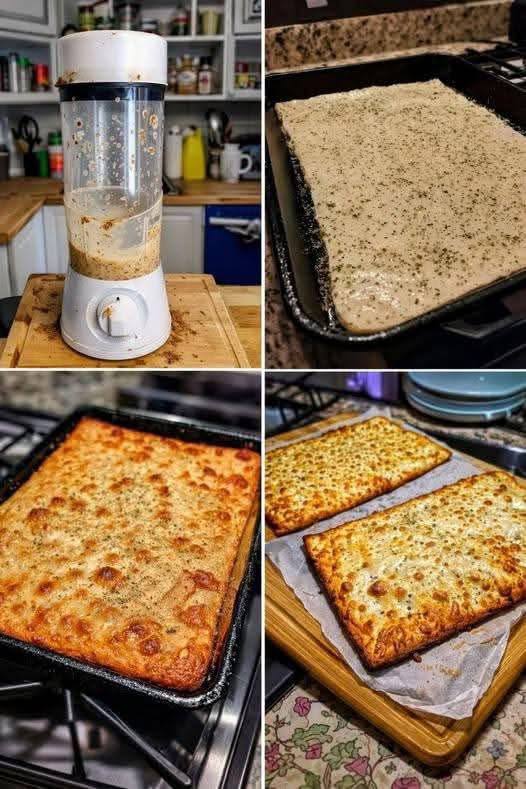
The aroma of freshly baked bread is a universal comfort, and few things capture that essence quite like homemade focaccia. This Italian flatbread, known for its dimpled surface, airy texture, and generous drizzle of olive oil, is a simple pleasure that transcends its humble origins. It’s a canvas for countless flavors, and in this recipe, we’re transforming it into an irresistible cheesy, garlicky masterpiece that will have your kitchen smelling divine and your taste buds singing.
Our Easy Cheesy Garlic Focaccia Bread takes the classic focaccia and elevates it with a pungent garlic oil infusion and a blanket of melted, golden cheese. Imagine a soft, chewy interior studded with air pockets, a crispy, golden-brown crust, and every bite bursting with savory garlic and rich, gooey cheese. It’s the perfect appetizer to share, a delightful side dish to complement any meal, or even a satisfying snack on its own.
Whether you’re a seasoned baker or just starting your journey with yeast, this recipe is designed to be approachable and rewarding. We’ll guide you through each step, from mixing the dough to achieving that perfect golden bake, ensuring you create a focaccia that’s not only delicious but also beautiful to behold. Get ready to impress your family and friends with this incredibly flavorful and surprisingly easy-to-make bread!
Nutritional Information
Per serving (approximate values, based on 12 servings):
- Calories: 320
- Protein: 12g
- Carbohydrates: 38g
- Fat: 14g
- Fiber: 2g
- Sodium: 450mg
Ingredients
- 1 ½ cups warm water (105-115°F / 40-46°C)
- 2 ¼ teaspoons active dry yeast (one standard packet)
- 1 teaspoon granulated sugar
- 3 ½ cups all-purpose flour, plus more for dusting
- 1 ½ teaspoons fine sea salt, divided
- ¼ cup extra virgin olive oil, plus more for the pan and drizzle
- 6 cloves garlic, peeled and roughly chopped
- 1 teaspoon dried oregano
- ½ teaspoon dried basil
- ¼ teaspoon red pepper flakes (optional, for a kick)
- 1 ½ cups shredded mozzarella cheese
- ½ cup grated Parmesan cheese
- Flaky sea salt, for finishing
Instructions
- In a large bowl, combine the warm water, yeast, and sugar. Stir gently and let sit for 5-10 minutes, or until the mixture is foamy, indicating the yeast is active.
- Add the flour and 1 teaspoon of the fine sea salt to the yeast mixture. Mix with a wooden spoon or a stand mixer with a dough hook attachment until a shaggy dough forms.
- Turn the dough out onto a lightly floured surface and knead for 8-10 minutes, or until the dough is smooth and elastic. If using a stand mixer, knead on medium-low speed for 6-8 minutes.
- Lightly grease a clean large bowl with olive oil. Transfer the dough to the bowl, turning it once to coat. Cover the bowl with plastic wrap or a clean kitchen towel and let it rise in a warm place for 1-1 ½ hours, or until doubled in size.
- While the dough is rising, prepare the garlic oil. In a small blender or food processor, combine the roughly chopped garlic, ¼ cup extra virgin olive oil, dried oregano, dried basil, and red pepper flakes (if using). Blend until the garlic is finely minced and well incorporated into the oil, forming a fragrant paste.
- Generously grease a 9×13 inch baking pan (or a similar sized round/square pan) with olive oil. Make sure to coat the sides well.
- Once the dough has doubled, gently punch it down to release the air. Transfer the dough to the prepared baking pan.
- Using your fingertips, gently press and stretch the dough to fill the pan. Don’t force it if it springs back; let it rest for 5-10 minutes and then continue stretching. The dough should be evenly spread across the bottom of the pan.
- Using your olive-oiled fingertips, create deep dimples all over the surface of the dough, pressing almost all the way through to the bottom of the pan.
- Evenly spread the prepared garlic oil mixture over the dimpled dough, ensuring it gets into all the crevices.
- Sprinkle the shredded mozzarella cheese and grated Parmesan cheese generously over the entire surface of the focaccia.
- Cover the pan loosely with plastic wrap or a clean kitchen towel and let the focaccia rise again in a warm place for another 30-45 minutes, or until it looks puffy and slightly increased in size.
- Preheat your oven to 400°F (200°C) during the last 15 minutes of the second rise.
- Once risen, sprinkle the focaccia with the remaining ½ teaspoon of fine sea salt and a pinch of flaky sea salt.
- Bake for 25-35 minutes, or until the focaccia is golden brown on top, the cheese is bubbly and slightly browned, and the bottom is crispy. If you lift it gently, the bottom should sound hollow when tapped.
- Carefully remove the focaccia from the oven. If desired, drizzle with a little extra virgin olive oil immediately after baking for added flavor and shine.
- Let the focaccia cool in the pan for 10-15 minutes before transferring it to a cutting board.
- Slice into squares or strips and serve warm.
Cooking Tips and Variations
For the best results, always ensure your yeast is fresh and active. If your water isn’t warm enough or is too hot, it can kill the yeast or prevent it from activating properly, leading to a flat focaccia. The ideal temperature for activating yeast is between 105-115°F (40-46°C).
Don’t rush the rising process. The two rises are crucial for developing the focaccia’s signature airy, open crumb and delicious flavor. A warm, draft-free spot is ideal for rising. If your kitchen is cool, you can place the covered bowl/pan in a turned-off oven with the light on, which provides a gentle warmth.
When dimpling the dough, don’t be shy! Press your fingers firmly into the dough to create those characteristic indentations. These dimples help hold the garlic oil and cheese, ensuring every bite is packed with flavor.
Feel free to experiment with different cheeses. A blend of provolone, fontina, or even a sharp cheddar can add unique notes. For an extra layer of flavor, consider adding a sprinkle of fresh rosemary or thyme along with the dried herbs. Sun-dried tomatoes, Kalamata olives, or caramelized onions can also be pressed into the dough before baking for a more complex focaccia.
If you’re short on time, you can use store-bought pizza dough as a shortcut. Simply stretch it into your prepared pan, proceed with the dimpling, garlic oil, and cheese steps, and bake as directed. While it won’t have the exact same texture as homemade dough, it’s a fantastic option for a quick and delicious focaccia.
For an even crispier bottom crust, try preheating your baking pan in the oven for about 5-10 minutes before adding the dough. Be very careful when transferring the dough to the hot pan.
A good quality extra virgin olive oil is key. Since olive oil is such a prominent flavor in focaccia, using a flavorful, high-quality oil will make a noticeable difference in the final taste.
Storage and Reheating
Leftover focaccia is best stored at room temperature in an airtight container or wrapped tightly in plastic wrap for up to 2-3 days. While it’s delicious fresh out of the oven, it can still be enjoyed the next day.
For longer storage, you can freeze focaccia. Once completely cooled, wrap individual slices or the entire focaccia tightly in plastic wrap, then an additional layer of aluminum foil. It can be stored in the freezer for up to 1 month. Thaw at room temperature before reheating.
To reheat, preheat your oven to 350°F (175°C). Place the focaccia directly on the oven rack or on a baking sheet and heat for 8-12 minutes, or until warmed through and the cheese is bubbly again. You can also reheat individual slices in a toaster oven for 3-5 minutes. Avoid reheating in a microwave, as it can make the focaccia soft and chewy rather than crispy.
Frequently Asked Questions
Can I make the dough ahead of time?
Yes, you can prepare the dough and let it have its first rise in the refrigerator overnight. After the first rise, punch it down, shape it in the pan, and proceed with the second rise and baking. Just make sure to bring the dough to room temperature for about 30-60 minutes before shaping for easier handling.
Why is my focaccia not rising?
The most common reasons for focaccia not rising are inactive yeast (check the expiration date and ensure your water isn’t too hot or cold), or an insufficient amount of kneading which prevents proper gluten development. Ensure your rising environment is warm and free from drafts.
What kind of olive oil should I use?
For the best flavor, use a good quality extra virgin olive oil. Since it’s a prominent ingredient, a flavorful oil will significantly enhance the taste of your focaccia. You don’t need the most expensive bottle, but avoid anything labeled “light” or “pure” as these often lack the robust flavor of extra virgin.
Can I add other toppings?
Absolutely! Focaccia is incredibly versatile. Before adding the cheese, you can press in toppings like thinly sliced onions, cherry tomatoes (halved), pitted olives, fresh rosemary sprigs, or even thinly sliced potatoes. Just be mindful not to overload the focaccia, as too many wet toppings can make it soggy.