Introduction
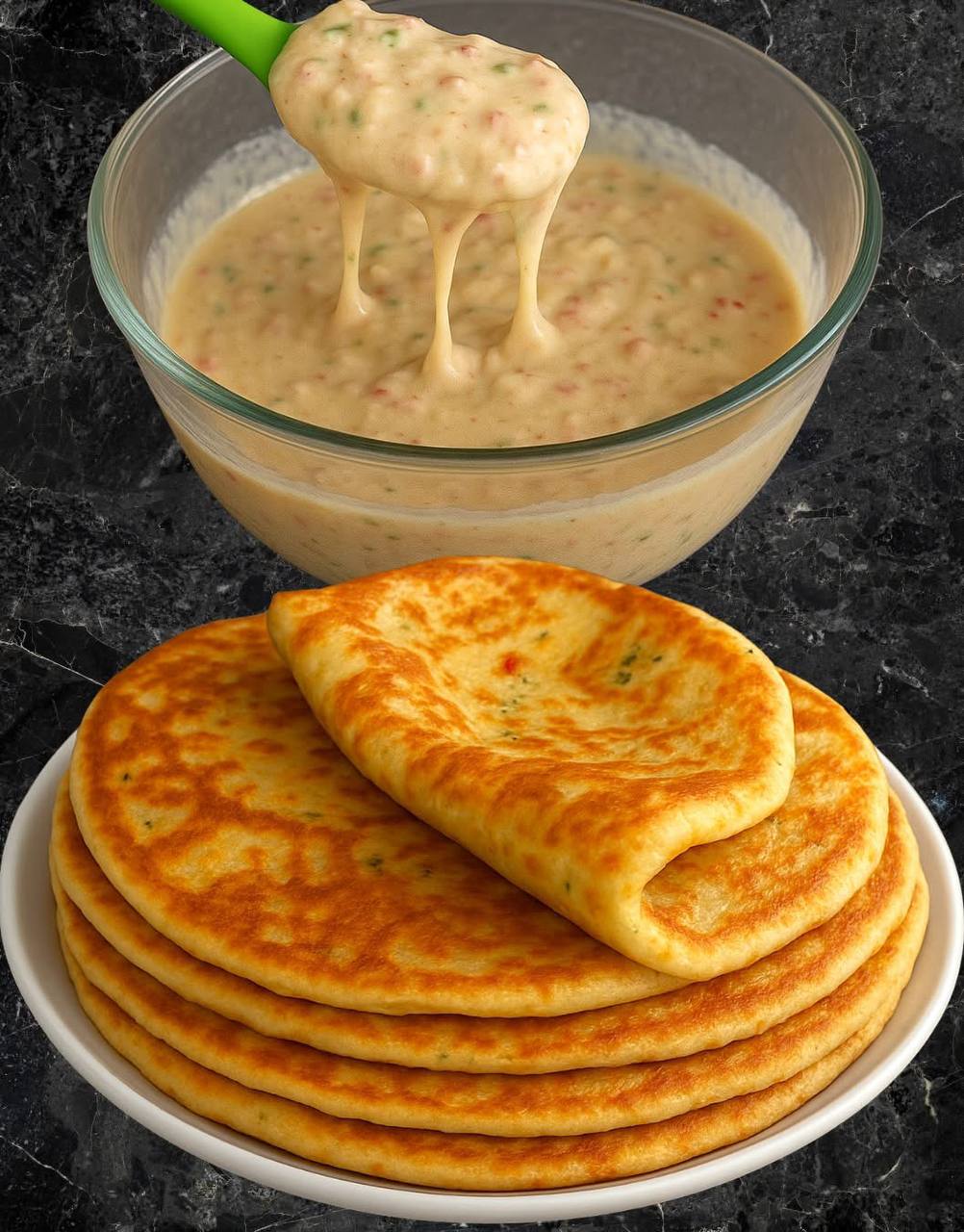
Forget everything you thought you knew about omelettes, because today we’re embarking on a culinary adventure that redefines what a “vegetable omelette” can be! While the classic French omelette is a folded masterpiece of fluffy eggs, our version takes a delightful detour, transforming humble eggs and vibrant vegetables into golden, savory flatbreads. Imagine tender, flavorful pancakes, each bite bursting with fresh veggies and herbs, perfectly complemented by an incredibly rich and creamy dipping sauce. This isn’t just breakfast; it’s an experience, a versatile dish that shines equally bright at brunch, lunch, or even a light dinner.
This recipe is special because it marries the comforting familiarity of a pancake with the hearty goodness of an omelette, all wrapped up in a fun, dippable format. The flatbreads themselves are a canvas for creativity, allowing you to incorporate your favorite seasonal vegetables and spices. But the real game-changer here is the accompanying creamy sauce. It’s what elevates these savory delights from simple pancakes to an unforgettable meal, adding a luscious texture and a depth of flavor that will have you coming back for more. Prepare to impress your taste buds and your guests with this innovative take on a classic concept.
Whether you’re looking for a new way to sneak more vegetables into your diet, a creative breakfast idea, or a crowd-pleasing appetizer, these vegetable flatbreads with their irresistible creamy dip are your answer. They’re surprisingly easy to make, highly customizable, and guaranteed to become a new favorite in your culinary repertoire. Let’s dive into creating these golden discs of deliciousness and their velvety smooth companion sauce!
Nutritional Information
Per serving (approximate values, based on 2 flatbreads and 1/4 cup sauce):
- Calories: 380
- Protein: 18g
- Carbohydrates: 35g
- Fat: 19g
- Fiber: 4g
- Sodium: 650mg
Ingredients
For the Savory Vegetable Flatbreads:
- 1 cup all-purpose flour (or a mix of all-purpose and chickpea flour for extra flavor)
- 2 large eggs
- 1 cup milk (any kind) or water
- 1/2 teaspoon baking powder
- 1/4 teaspoon salt
- 1/4 teaspoon black pepper
- 1/2 cup finely diced mixed vegetables (e.g., bell peppers, carrots, zucchini, corn)
- 1/4 cup finely chopped fresh cilantro or parsley
- 1 small green chili, finely minced (optional, for heat)
- 1/4 teaspoon turmeric powder (for color and mild flavor)
- 1/4 teaspoon cumin powder
- 2 tablespoons vegetable oil or butter, for cooking
For the Creamy Cheesy Dipping Sauce:
- 1 tablespoon unsalted butter
- 1 tablespoon all-purpose flour
- 1 cup milk
- 1/2 cup shredded sharp cheddar cheese (or a blend like Monterey Jack)
- 2 tablespoons cream cheese, softened
- 1/4 cup finely diced red bell pepper
- 2 tablespoons finely chopped green onions (white and green parts)
- 1/4 teaspoon garlic powder
- Pinch of cayenne pepper (optional, for a kick)
- Salt and black pepper to taste
Instructions
Preparing the Savory Vegetable Flatbreads:
- In a large mixing bowl, whisk together the flour, baking powder, salt, black pepper, turmeric powder, and cumin powder until well combined.
- In a separate bowl, whisk the eggs and milk (or water) together until smooth.
- Gradually pour the wet ingredients into the dry ingredients, whisking continuously until a smooth batter forms. It should be thick enough to coat the back of a spoon but still pourable. If too thick, add a tablespoon more milk or water; if too thin, add a tablespoon more flour.
- Gently fold in the finely diced mixed vegetables, chopped cilantro (or parsley), and minced green chili (if using). Ensure the vegetables are evenly distributed throughout the batter. Let the batter rest for 5-10 minutes while you prepare the sauce; this allows the flour to hydrate.
- Heat a large non-stick skillet or griddle over medium heat. Add about 1 teaspoon of vegetable oil or a pat of butter, swirling to coat the pan.
- Once the pan is hot, pour approximately 1/4 cup of batter per flatbread onto the skillet. You should be able to cook 2-3 flatbreads at a time, depending on the size of your pan.
- Cook for 2-3 minutes per side, or until golden brown and cooked through. The edges will look set, and bubbles will form on the surface. Flip carefully and cook the other side until golden.
- Transfer the cooked flatbreads to a plate and keep warm while you cook the remaining batter. You can place them in a warm oven (around 200°F / 95°C) to prevent them from cooling down.
Making the Creamy Cheesy Dipping Sauce:
- In a small saucepan, melt the unsalted butter over medium heat.
- Add the 1 tablespoon of all-purpose flour to the melted butter and whisk continuously for 1-2 minutes to create a roux. It should be a pale, golden paste.
- Gradually whisk in the milk, a little at a time, ensuring no lumps form. Continue whisking until the sauce begins to thicken, about 3-5 minutes.
- Reduce the heat to low. Stir in the shredded cheddar cheese and softened cream cheese until both are completely melted and the sauce is smooth and creamy.
- Add the finely diced red bell pepper, chopped green onions, garlic powder, and cayenne pepper (if using). Stir to combine.
- Season the sauce with salt and black pepper to taste. Simmer for another 1-2 minutes, allowing the flavors to meld and the vegetables to slightly soften. The sauce should be thick enough to coat the back of a spoon.
- Remove from heat and transfer to a serving bowl.
Serving:
- Arrange the warm vegetable flatbreads on a platter.
- Serve immediately with the creamy cheesy dipping sauce on the side. Encourage dipping!
Cooking Tips and Variations
To achieve the perfect texture for your flatbreads, ensure your batter isn’t too thick or too thin. It should be able to pour easily but not spread out too much in the pan. If it’s too thick, add milk or water a tablespoon at a time; if too thin, add a little extra flour. Cooking on medium heat is crucial; too high, and they’ll burn before cooking through; too low, and they won’t get that beautiful golden crust. For finely diced vegetables, a food processor can be a great time-saver, just be careful not to over-process them into a paste.
The beauty of this recipe lies in its versatility. Feel free to swap out vegetables based on what you have on hand or what’s in season. Spinach, finely chopped mushrooms, grated sweet potato, or even finely minced broccoli florets would work wonderfully in the flatbreads. For a different flavor profile, try adding a pinch of smoked paprika or a dash of chili flakes to the batter. You can also experiment with different types of flour; chickpea flour (besan) adds a unique nutty flavor and extra protein, while whole wheat flour can increase the fiber content. If you’re feeling adventurous, a sprinkle of grated Parmesan cheese directly into the batter adds a lovely savory depth.
For the creamy dipping sauce, the possibilities are also endless. Instead of cheddar, consider using Gruyere for a richer, nuttier flavor, or a blend of mozzarella and provolone for extra stretchiness. A touch of Dijon mustard can add a subtle tang, while a squeeze of lime juice at the end can brighten the whole sauce. For those who love heat, increase the cayenne pepper or add a dash of your favorite hot sauce. You could also stir in some roasted garlic puree for an intense garlic flavor. To make it a bit lighter, use low-fat milk and cheese, though the creaminess might be slightly reduced. Don’t be afraid to taste and adjust the seasonings as you go; the perfect sauce is one that suits your palate perfectly.
Another tip for success is to avoid overcrowding the pan. Cook the flatbreads in batches to ensure even cooking and easier flipping. Using a good quality non-stick pan will make the process much smoother and prevent sticking. If you’re making a large batch for a gathering, keep the cooked flatbreads warm in a low oven on a baking sheet lined with parchment paper while you finish cooking the rest. This ensures everyone gets to enjoy them warm and fresh. For an extra touch of presentation, garnish the finished dish with a sprinkle of fresh herbs, like more cilantro or finely chopped chives, over both the flatbreads and the sauce.
Storage and Reheating
These savory vegetable flatbreads are best enjoyed fresh, but leftovers can be stored and reheated. Allow the cooked flatbreads to cool completely before storing. Place them in an airtight container, separating layers with parchment paper to prevent sticking. They will keep in the refrigerator for up to 3-4 days. The creamy cheesy dipping sauce should also be stored separately in an airtight container in the refrigerator for up to 3-4 days.
To reheat the flatbreads, you have a few options. For best results, reheat them in a dry non-stick skillet over medium heat for 1-2 minutes per side, until warmed through and slightly crispy. You can also toast them lightly in a toaster oven or bake them on a baking sheet in a preheated oven at 350°F (175°C) for about 5-7 minutes. Microwaving is the quickest option, but it may make them a bit softer and less crispy; heat for 30-60 seconds, or until warm.
The creamy cheesy dipping sauce can be reheated gently on the stovetop over low heat, stirring frequently, until it reaches your desired temperature. If it has thickened too much in the refrigerator, you can add a splash of milk to thin it out while reheating. Avoid reheating the sauce at high heat or boiling it, as this can cause the cheese to separate or become oily. Stir well before serving. Freezing is not recommended for either the flatbreads or the sauce, as the texture and consistency can be significantly compromised upon thawing.
Frequently Asked Questions
Can I make the batter ahead of time?
Yes, you can prepare the flatbread batter up to 12-24 hours in advance. Store it in an airtight container in the refrigerator. You might need to add a splash more milk or water and give it a good whisk before cooking, as the flour can absorb liquid and thicken the batter over time. The vegetables in the batter might release a little water, so adjust consistency if needed.
What if I don’t have all the specific vegetables listed?
No problem! This recipe is incredibly flexible. You can use any combination of finely diced or grated vegetables you have on hand. Great alternatives include grated carrots, finely chopped spinach (squeezed dry), shredded cabbage, or even leftover roasted vegetables. Just ensure they are finely chopped so they cook through quickly within the flatbreads.
Can I make this recipe gluten-free?
Absolutely! You can substitute the all-purpose flour in both the flatbreads and the sauce with a gluten-free all-purpose flour blend (one that contains xanthan gum works best). For the flatbreads, you could also use chickpea flour (besan) entirely, which is naturally gluten-free and adds a lovely flavor, though the texture might be slightly denser. Ensure all other ingredients are certified gluten-free as well.
How can I make the dipping sauce spicier?
To increase the heat in the dipping sauce, you have several options. You can add more cayenne pepper, a pinch of red pepper flakes, or a dash of your favorite hot sauce. For a fresher heat, incorporate finely minced jalapeño or serrano pepper along with the red bell pepper, adjusting the amount to your preferred spice level. Taste as you go to avoid making it too hot!