Introduction
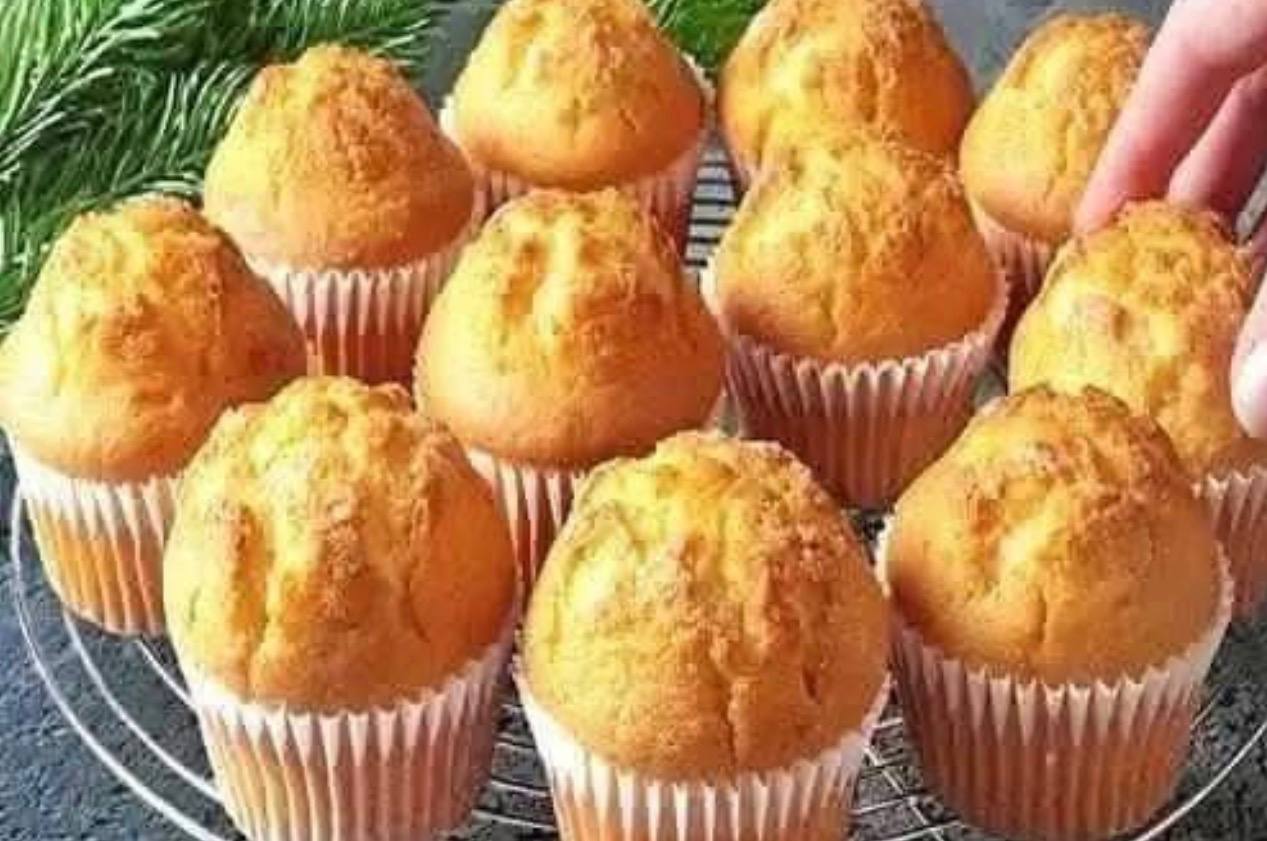
There’s something undeniably comforting and joyous about a classic vanilla cupcake. It’s the quintessential treat that evokes childhood memories, brightens any gathering, and offers a perfect canvas for endless customization. Forget complicated desserts; sometimes, the simplest pleasures are the most satisfying. This isn’t just any vanilla cupcake recipe; it’s a celebration of pure, unadulterated vanilla goodness, designed for maximum flavor, incredible moisture, and that coveted fluffy texture that melts in your mouth.
This recipe focuses on creating a beautifully balanced cupcake that’s easy enough for beginner bakers yet delicious enough to impress even the most discerning palates. We’re talking about golden-brown tops with a tender crumb, a subtle sweetness, and that unmistakable aroma of vanilla filling your kitchen. Whether you’re baking for a special occasion, a casual get-together, or simply because you crave something sweet, these homemade vanilla cupcakes are guaranteed to be a crowd-pleaser. They’re perfect for birthday parties, afternoon tea, or as a delightful pick-me-up any day of the week.
What truly makes these vanilla cupcakes special is their incredible versatility and straightforward preparation. We’ll guide you through each step, ensuring you achieve perfectly domed, moist, and fluffy results every time. The secret lies in quality ingredients and a few key baking techniques that prevent common pitfalls like dry or tough cupcakes. Get ready to bake a batch of pure happiness that will have everyone asking for the recipe!
Nutritional Information
Per serving (approximate values):
- Calories: 250
- Protein: 3g
- Carbohydrates: 35g
- Fat: 11g
- Fiber: 0.5g
- Sodium: 180mg
Ingredients
- 1 ½ cups (180g) all-purpose flour, sifted
- 1 ½ teaspoons baking powder
- ¼ teaspoon salt
- ½ cup (113g) unsalted butter, softened to room temperature
- 1 cup (200g) granulated sugar
- 2 large eggs, at room temperature
- 1 teaspoon pure vanilla extract (good quality makes a difference!)
- ½ cup (120ml) whole milk, at room temperature
- 12-15 paper cupcake liners
Instructions
- Preheat your oven to 350°F (175°C). Line a 12-cup muffin tin with paper cupcake liners. If making more, prepare a second tin or bake in batches.
- In a medium bowl, whisk together the sifted all-purpose flour, baking powder, and salt. Set aside. Sifting the flour ensures a lighter, fluffier cupcake.
- In a large bowl, using an electric mixer, beat the softened unsalted butter and granulated sugar together on medium-high speed until light and fluffy, about 2-3 minutes. This creaming process incorporates air, which is crucial for a tender crumb.
- Add the eggs one at a time, beating well after each addition until fully incorporated. Scrape down the sides of the bowl as needed to ensure everything is mixed evenly.
- Beat in the pure vanilla extract until just combined. Remember, a good quality vanilla extract is the star here!
- With the mixer on low speed, gradually add about one-third of the dry ingredients to the wet ingredients, mixing until just combined.
- Pour in half of the milk, mixing until just incorporated.
- Repeat with another third of the dry ingredients, then the remaining milk, and finally the last of the dry ingredients. Mix until just combined, being very careful not to overmix the batter. Overmixing develops the gluten in the flour, leading to tough cupcakes. A few small lumps are perfectly fine.
- Divide the batter evenly among the prepared cupcake liners, filling each about two-thirds full. This ensures they bake up with a beautiful dome without overflowing.
- Bake for 18-22 minutes, or until the tops are golden brown and a wooden skewer or toothpick inserted into the center of a cupcake comes out clean. Avoid opening the oven door too early, as this can cause the cupcakes to sink.
- Once baked, remove the muffin tin from the oven and let the cupcakes cool in the tin for 5 minutes.
- Carefully transfer the cupcakes to a wire cooling rack to cool completely before frosting. Cooling completely is essential; frosting warm cupcakes will result in melted, messy frosting.
Cooking Tips and Variations
For the fluffiest, most moist vanilla cupcakes, ensure all your cold ingredients, especially the butter, eggs, and milk, are at room temperature. This allows them to emulsify properly with the other ingredients, creating a smooth, uniform batter that traps air efficiently. When adding the dry ingredients to the wet, always mix on low speed and stop as soon as the flour streaks disappear. Overmixing is the enemy of tender cupcakes!
To check for doneness, gently press the top of a cupcake; if it springs back, it’s likely done. Alternatively, the toothpick test is reliable: insert a toothpick into the center, and if it comes out clean with no wet batter, they’re ready. Resist the urge to open the oven frequently during baking, as sudden temperature changes can cause cupcakes to fall. If your cupcakes are coming out dense, you might be overmixing, using too much flour, or your leavening agent (baking powder) might be old.
For frosting, a classic vanilla buttercream is always a winner. You can easily make one by creaming together ½ cup (113g) softened unsalted butter, 2 cups (240g) powdered sugar, 1-2 tablespoons milk, and ½ teaspoon vanilla extract until light and fluffy. Alternatively, a cream cheese frosting offers a tangy counterpoint. For simple decorations, a sprinkle of colorful sprinkles, a fresh berry, or a lemon zest curl can add a lovely touch. Get creative!
Want to switch up the flavor? Add 1-2 tablespoons of lemon zest to the batter for a bright citrus note, or a few drops of almond extract for a subtle nutty flavor. Fold in ½ cup of mini chocolate chips or sprinkles for a fun twist. For a richer cupcake, you can substitute buttermilk for whole milk – the acidity interacts with the baking powder to create an even more tender crumb. Always remember to use cupcake liners to prevent sticking and make cleanup easier.
Storage and Reheating
Once cooled, unfrosted vanilla cupcakes can be stored in an airtight container at room temperature for up to 2-3 days. If frosted with a buttercream that doesn’t contain cream cheese, they can also be stored at room temperature in an airtight container for 2-3 days. If your frosting is cream cheese-based or contains fresh fruit, it’s best to store the frosted cupcakes in the refrigerator to maintain freshness and prevent spoilage. In the fridge, they will last for up to 5 days.
To keep cupcakes fresh for longer, especially if you’ve baked a large batch, you can freeze them. Allow the cupcakes to cool completely. For unfrosted cupcakes, wrap each individually in plastic wrap, then place them in a freezer-safe bag or container. They can be frozen for up to 2-3 months. Thaw at room temperature for a few hours before frosting and serving. Frosted cupcakes can also be frozen, but it’s best to flash freeze them on a baking sheet until the frosting is firm, then wrap individually to prevent smudging before storing in a freezer bag. Thaw in the refrigerator overnight or at room temperature for a few hours.
Reheating cupcakes is generally not recommended as it can dry them out. However, if you have a slightly stale unfrosted cupcake and want to warm it up, you can microwave it for 10-15 seconds. Be careful not to overheat, as this will make it tough. For the best experience, enjoy them at room temperature when they are at their freshest and most tender.
Frequently Asked Questions
Why are my cupcakes dry?
Dry cupcakes are typically the result of overbaking, using too much flour, or not enough fat/moisture. Ensure you measure your flour correctly (spoon and level, don’t scoop directly from the bag), and always check for doneness with a toothpick. If the toothpick comes out clean, they’re ready!
Can I make these cupcakes gluten-free?
Yes, you can often substitute an all-purpose gluten-free flour blend (one that contains xanthan gum) for the regular all-purpose flour in this recipe. Be sure to follow the specific instructions on your chosen gluten-free flour blend, as some may require slight adjustments to liquid or baking time.
How can I prevent my cupcakes from sinking in the middle?
Cupcakes often sink due to opening the oven door too early during baking, overmixing the batter, or using old leavening agents (baking powder or baking soda). Ensure your oven is preheated to the correct temperature, avoid opening the door until the last few minutes of baking, and always use fresh leavening agents for best results.
What’s the best way to get perfectly domed cupcakes?
To achieve those beautiful, domed tops, make sure your oven is at the correct temperature (a hot oven helps them rise quickly), fill your cupcake liners about two-thirds full, and avoid overmixing the batter. A slightly higher initial baking temperature can also help, but sticking to the recipe’s recommended temperature usually yields great results.