Introduction
There are few dishes that evoke the same comforting warmth and satisfying fullness as a classic lasagna. Layers of tender pasta, rich meat sauce, and creamy cheese baked to golden perfection – it’s a culinary hug in a casserole dish. But what if we told you there’s a secret ingredient that can elevate this beloved comfort food to new heights of creaminess and tangy deliciousness, all while potentially offering a lighter touch? Enter the humble yet mighty cottage cheese, transforming our traditional favorite into this spectacular Cottage Cheese Lasagna.
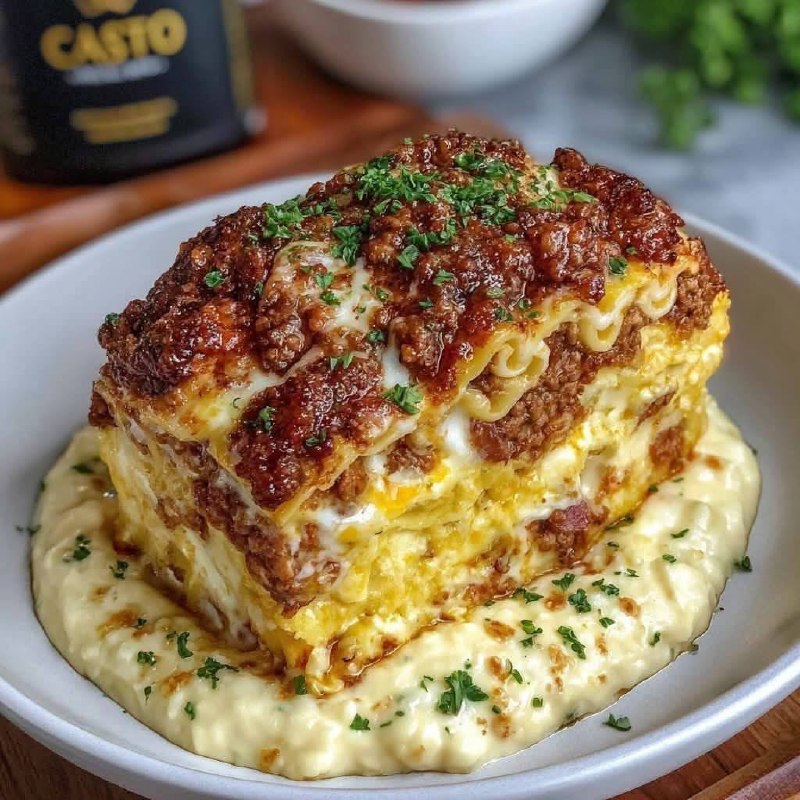
This isn’t just any lasagna; it’s a hearty, satisfying masterpiece perfect for family dinners, potlucks, or simply a cozy night in. The cottage cheese mixture, blended with eggs and herbs, creates an incredibly smooth and flavorful filling that contrasts beautifully with the savory meat sauce. Each forkful reveals distinct layers, a testament to its careful construction, culminating in a golden-brown top that promises a delightful crunch before diving into the soft, cheesy interior. Its visual appeal is almost as enticing as its taste, making it an instant crowd-pleaser that looks as good as it tastes.
While ricotta often takes center stage in many lasagna recipes, cottage cheese brings its unique charm to the table. Its inherent tanginess brightens the overall flavor profile, cutting through the richness of the meat and tomato sauce, while its creamy texture ensures a moist and tender bite every time. This recipe celebrates that unique contribution, offering a robust, flavorful, and incredibly satisfying dish that will quickly become a cherished staple in your culinary repertoire. Prepare to impress your taste buds and gather your loved ones around a table graced with this homemade masterpiece.
Nutritional Information
Per serving (approximate values):
- Calories: 620
- Protein: 41g
- Carbohydrates: 55g
- Fat: 28g
- Fiber: 5g
- Sodium: 980mg
Ingredients
- 1 tablespoon olive oil
- 1.5 pounds lean ground beef (or a mix of beef and Italian sausage)
- 1 large yellow onion, finely chopped
- 3 cloves garlic, minced
- 2 (28-ounce) cans crushed tomatoes
- 1 (15-ounce) can tomato sauce
- 2 tablespoons fresh basil, chopped (or 2 teaspoons dried basil)
- 1 tablespoon fresh oregano, chopped (or 1 teaspoon dried oregano)
- 1 teaspoon sugar (optional, to cut acidity)
- 1 teaspoon salt, or to taste
- 1/2 teaspoon black pepper, or to taste
- 12-15 lasagna noodles (oven-ready/no-boil or traditional, pre-cooked al dente)
- 3 cups (24 ounces) small curd cottage cheese, full-fat recommended
- 2 large eggs, lightly beaten
- 1/2 cup grated Parmesan cheese, plus extra for topping
- 1/4 cup fresh parsley, chopped, plus extra for garnish
- 1/2 teaspoon garlic powder
- 1/4 teaspoon black pepper
- 4 cups (16 ounces) shredded mozzarella cheese, divided
- Optional: 1/2 cup creamy béchamel sauce or extra tomato sauce for the base
Instructions
-
Prepare the Meat Sauce: Heat olive oil in a large pot or Dutch oven over medium-high heat. Add ground beef and cook, breaking it up with a spoon, until browned. Drain off any excess grease. Add chopped onion and cook until softened, about 5-7 minutes. Stir in minced garlic and cook for another minute until fragrant.
-
Stir in the crushed tomatoes, tomato sauce, fresh basil, fresh oregano, sugar (if using), salt, and black pepper. Bring the sauce to a simmer, then reduce heat to low, cover, and let it simmer for at least 30 minutes, or up to 2 hours, stirring occasionally. The longer it simmers, the richer the flavor. Taste and adjust seasonings as needed.
-
Prepare the Cottage Cheese Mixture: In a large bowl, combine the cottage cheese, beaten eggs, 1/2 cup grated Parmesan cheese, 1/4 cup chopped fresh parsley, garlic powder, and 1/4 teaspoon black pepper. Mix well until all ingredients are thoroughly combined. If your cottage cheese is very watery, you may want to drain it slightly before mixing.
-
Prepare the Lasagna Noodles: If using traditional lasagna noodles, cook them according to package directions until al dente. Drain and rinse with cold water to prevent sticking, then lay them flat on parchment paper or a clean kitchen towel. If using oven-ready/no-boil noodles, no pre-cooking is necessary.
-
Assemble the Lasagna: Preheat your oven to 375°F (190°C). Lightly grease a 9×13-inch baking dish. If using, spread a thin layer of béchamel sauce or extra tomato sauce on the bottom of the dish to prevent sticking and add moisture.
-
Spread about 1.5 cups of the meat sauce over the bottom of the prepared baking dish. Arrange a single layer of lasagna noodles over the sauce, trimming if necessary to fit. (Usually 3-4 noodles per layer, depending on noodle width).
-
Spread half of the cottage cheese mixture evenly over the noodles. Sprinkle with 1.5 cups of shredded mozzarella cheese.
-
Add another layer of lasagna noodles. Top with another 1.5 cups of meat sauce. Spread the remaining cottage cheese mixture over the sauce. Sprinkle with another 1.5 cups of shredded mozzarella cheese.
-
Place the final layer of lasagna noodles. Top with the remaining meat sauce, ensuring the noodles are fully covered. Sprinkle with the remaining 1 cup of shredded mozzarella cheese and a generous dusting of Parmesan cheese.
-
Bake the Lasagna: Cover the baking dish tightly with aluminum foil (you can lightly spray the underside of the foil with cooking spray to prevent cheese from sticking). Bake for 30 minutes.
-
Remove the foil and bake for an additional 20-25 minutes, or until the top is golden brown and bubbly. If the top isn’t browning enough, you can briefly place it under the broiler for 1-2 minutes, watching carefully to prevent burning.
-
Rest and Serve: This step is crucial! Remove the lasagna from the oven and let it rest for at least 15-20 minutes before slicing and serving. This allows the layers to set, preventing the lasagna from falling apart when cut. Garnish with fresh chopped parsley before serving.
Cooking Tips and Variations
To achieve the absolute best Cottage Cheese Lasagna, start with quality ingredients. For the meat sauce, don’t rush the simmering process; a longer simmer allows the flavors to meld and deepen beautifully. If you have time, make the meat sauce a day ahead – it often tastes even better the next day! When selecting cottage cheese, opt for full-fat small curd for the creamiest texture and richest flavor. If your cottage cheese seems particularly watery, you can drain it in a fine-mesh sieve for about 15-20 minutes before mixing to prevent a soupy lasagna.
The resting time after baking is non-negotiable for clean, beautiful slices. Patience here will be rewarded! If you cut into it too soon, the cheese and sauce will still be too fluid, and your carefully constructed layers will collapse. To achieve that perfect golden-brown, bubbly top, don’t be afraid to uncover the lasagna for the last portion of baking and even use the broiler for a minute or two, keeping a close eye on it to prevent burning.
For variations, try adding finely diced vegetables like bell peppers, mushrooms, or spinach to your meat sauce for extra nutrients and flavor. You can also experiment with different cheese blends; a mix of mozzarella, provolone, and Parmesan in the layers can add more complexity. For a spicier kick, add a pinch of red pepper flakes to the meat sauce. If you prefer a vegetarian option, swap the ground beef for a hearty lentil or mushroom ragu, maintaining the same rich flavor profile. Gluten-free noodles are readily available and work wonderfully in this recipe without compromising on taste or texture.
Storage and Reheating
This Cottage Cheese Lasagna is an excellent make-ahead meal. Once cooled completely, cover the baking dish tightly with plastic wrap and then aluminum foil. It can be stored in the refrigerator for up to 3-4 days. For longer storage, you can freeze the entire lasagna or individual portions. To freeze, wrap cooled slices or the entire dish tightly in plastic wrap, then aluminum foil. It will keep well in the freezer for up to 3 months. Thaw frozen lasagna in the refrigerator overnight before reheating.
To reheat a whole lasagna from the refrigerator, cover it loosely with foil and bake at 350°F (175°C) for 20-30 minutes, or until heated through. For individual slices, you can microwave them until hot, or reheat in a conventional oven or toaster oven at 350°F (175°C) for about 10-15 minutes, covering with foil if you prefer to keep it from drying out. The key is to reheat gently to maintain the lasagna’s creamy texture and prevent it from drying out.
Frequently Asked Questions
Can I use no-boil lasagna noodles?
Absolutely! No-boil lasagna noodles are a fantastic time-saver and work perfectly in this recipe. Just ensure there’s enough sauce to keep them hydrated during baking, as they absorb moisture directly from the sauce and cheese layers. Our recipe is designed to accommodate them seamlessly.
Why use cottage cheese instead of ricotta?
Cottage cheese offers a unique tangy flavor and a wonderfully creamy texture that many find even more appealing than ricotta. It’s often more readily available and can be a more budget-friendly option. Its slight tanginess also helps to balance the richness of the meat sauce, creating a brighter overall flavor profile. Additionally, cottage cheese often contributes a slightly lighter texture to the lasagna compared to a ricotta-heavy version.
Can I make this lasagna vegetarian?
Yes, you can easily make this lasagna vegetarian! Simply omit the ground beef and replace it with a hearty mushroom and vegetable ragu, or a lentil-based sauce. Sauté finely diced mushrooms, bell peppers, carrots, and zucchini with the onion and garlic, then proceed with the crushed tomatoes and seasonings as directed for the meat sauce. You can also add some cooked spinach or kale to the cottage cheese mixture for extra greens.
What’s the best way to prevent my lasagna from being watery?
Several factors contribute to a watery lasagna. First, ensure your meat sauce has simmered long enough to thicken and reduce. Second, if your cottage cheese is particularly wet, drain it in a fine-mesh sieve for 15-20 minutes before mixing with the eggs and herbs. Third, if using traditional noodles, make sure they are cooked al dente and not overcooked, as overcooked noodles can absorb too much moisture. Lastly, and most importantly, allow the lasagna to rest for at least 15-20 minutes after baking. This crucial step allows the liquids to redistribute and the layers to set, preventing a soupy mess when sliced.