Introduction
There are very few culinary experiences that capture the essence of summer quite like a perfectly crafted tomato sandwich. It’s a dish so profoundly simple, yet so deeply satisfying, that it transcends mere food to become a cherished memory for many. This isn’t just about combining ingredients; it’s about celebrating the peak of the season, when tomatoes are at their most vibrant, juicy, and flavorful. Forget elaborate preparations and complex sauces; the tomato sandwich is a testament to the power of quality ingredients allowed to shine in their purest form. It’s a humble culinary masterpiece that speaks volumes with every bite, reminding us that sometimes, the best things in life are indeed the simplest.
What makes this seemingly unassuming sandwich so beloved? Its appeal lies in its straightforward elegance and unparalleled freshness. Imagine biting into a slice of perfectly ripe, sun-warmed tomato, its sweet and tangy juices mingling with the rich, creamy embrace of mayonnaise, all cushioned between two slices of ideally toasted bread. It’s a symphony of textures and flavors – the crispness of the toast, the lushness of the mayo, and the succulent burst of the tomato – that creates an unforgettable experience. This isn’t just a meal; it’s a moment, a ritual, a delicious pause in the hustle and bustle, inviting you to savor the unadulterated taste of summer.
The beauty of the tomato sandwich lies not only in its delightful taste but also in its incredible ease of preparation and versatility. It requires no special skills, no exotic ingredients, and very little time, making it the ideal quick lunch, light dinner, or satisfying snack. Whether you’re a seasoned chef or a kitchen novice, you can master this classic with minimal effort. Its magic, however, hinges entirely on the quality of its components. A truly transcendent tomato sandwich demands the freshest, ripest tomatoes you can find, a reliable and flavorful bread, and a rich, creamy mayonnaise. When these foundational elements are superior, the resulting sandwich is nothing short of perfection, proving that sometimes, the true art of cooking lies in knowing when to let natural flavors take center stage.
Nutritional Information
Per serving (approximate values for one open-faced sandwich with 1 slice bread, 1.5 medium tomatoes, 1 tbsp mayo):
- Calories: 250 kcal
- Protein: 5g
- Carbohydrates: 25g
- Fat: 15g
- Fiber: 3g
- Sodium: 350mg
Ingredients
- 2 slices of your favorite bread (white, sourdough, or whole wheat work wonderfully)
- 1-2 large, ripe tomatoes (heirloom, beefsteak, or any juicy, flavorful variety)
- 2 tablespoons full-fat mayonnaise (your favorite brand or homemade)
- 1/4 teaspoon sea salt or kosher salt, plus more to taste
- 1/8 teaspoon freshly ground black pepper, plus more to taste
- Optional: A pinch of sugar to enhance tomato flavor
- Optional: Fresh basil leaves for garnish
Instructions
- Begin by preparing your tomatoes. Wash them gently under cool water and pat them dry. Using a sharp serrated knife, slice the tomatoes into 1/4 to 1/2-inch thick rounds. Aim for slices that are substantial enough to cover the bread but not so thick that they become unwieldy.
- To prevent a soggy sandwich, arrange the sliced tomatoes in a single layer on a plate lined with a few paper towels. Lightly sprinkle them with a pinch of salt. Let them sit for at least 5-10 minutes. This draws out excess moisture, ensuring your sandwich remains firm and delicious. Gently blot the tops of the tomato slices with another paper towel to remove any pooled liquid.
- While the tomatoes are draining, toast your bread to your desired level of crispness. A light to medium toast is usually ideal, providing a sturdy base and a pleasant textural contrast without being too hard.
- Once the bread is toasted, generously spread mayonnaise from edge to edge on one side of each slice. Don’t be shy here; the mayonnaise acts as a delicious binder, a moisture barrier for the bread, and a crucial flavor component.
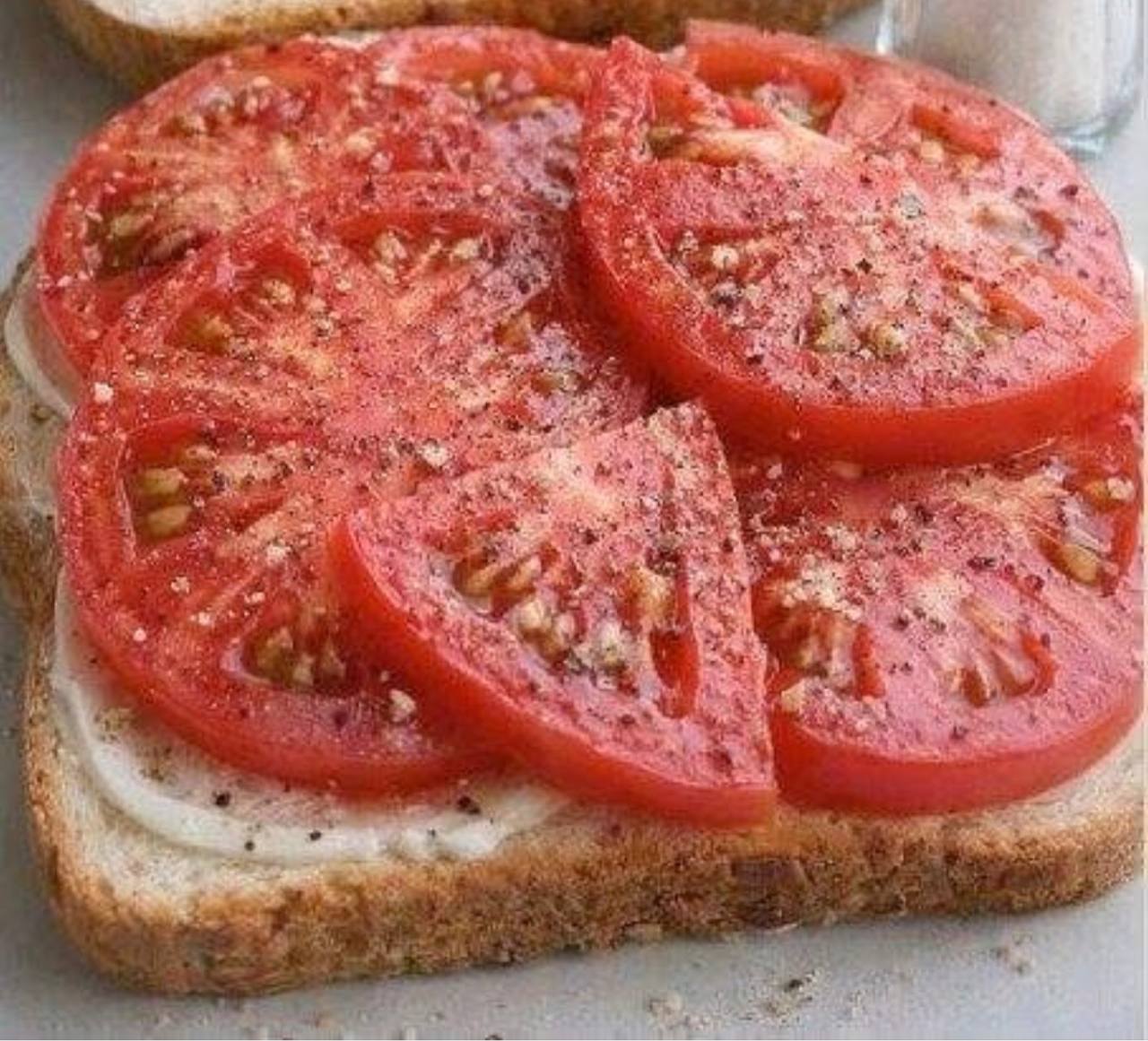
- Carefully arrange the drained tomato slices on one of the mayonnaise-coated bread slices. Overlap them slightly if necessary to ensure every bite gets a taste of tomato. For an open-faced sandwich, you’ll use just one slice of bread. If making a traditional closed sandwich, layer the tomatoes evenly on one slice.
- Season the layered tomatoes generously with sea salt and freshly ground black pepper. This is where a lot of the flavor comes from, so don’t hold back. If using, sprinkle a tiny pinch of sugar over the tomatoes to amplify their natural sweetness.
- If making a closed sandwich, carefully place the second mayonnaise-coated bread slice on top of the tomatoes, mayo-side down. Gently press down to secure the layers.
- Serve your tomato sandwich immediately. The magic of this dish is best enjoyed fresh, before the bread has a chance to absorb too much moisture from the tomatoes.
Cooking Tips and Variations
For the ultimate tomato sandwich, the quality of your ingredients is paramount. Always opt for the freshest, ripest, in-season tomatoes you can find. Farmers’ markets are a treasure trove for this. Look for tomatoes that are heavy for their size, have a vibrant color, and smell fragrant at the stem end. Don’t be afraid of heirlooms; their diverse flavors and textures add an extra layer of complexity.
Moisture management is key to preventing a soggy sandwich. Salting and draining the tomatoes as instructed is a non-negotiable step. You can also place an extra paper towel between the tomato layer and the bread, though a generous mayo layer usually suffices. Toasting the bread creates a sturdy barrier, preventing it from becoming too soft too quickly. Choose a bread that has a good crumb structure – white sandwich bread is classic, but a hearty sourdough or a good quality whole wheat can add wonderful flavor and texture. Avoid overly soft or thin breads that will quickly succumb to the tomato juices.
The mayonnaise isn’t just a condiment; it’s a core component. Use a good quality, full-fat mayonnaise. Some people swear by specific brands, while others prefer homemade for its fresh, tangy flavor. Don’t skimp on the amount; it provides richness, creaminess, and a slight tang that perfectly complements the tomatoes. And finally, be generous with your seasoning! Salt brings out the natural sweetness and acidity of the tomatoes, while freshly ground black pepper adds a pleasant aromatic bite. A small pinch of sugar can also enhance the tomato’s natural flavors, making them sing. Eating the sandwich promptly is crucial; this is not a dish that benefits from sitting around.
Variations & Customizations
- Herbs: Fresh basil leaves tucked in with the tomatoes are a classic pairing. Chives or a sprinkle of fresh dill can also add a lovely aromatic touch.
- Cheese Please: Add a slice of sharp cheddar, creamy mozzarella, or tangy goat cheese for an extra layer of flavor and texture.
- Bacon Bliss: Transform it into a simplified BLT by adding a few crispy strips of bacon.
- Avocado Creaminess: Sliced avocado can add a wonderful smooth, buttery texture and healthy fats.
- Spicy Kick: A dash of your favorite hot sauce, a sprinkle of red pepper flakes, or a thin slice of jalapeño can give your sandwich an exciting zing.
- Different Spreads: While mayonnaise is traditional, consider pesto for an herbaceous twist or a thin layer of Dijon mustard for a sharper flavor profile.
- Greens: A few tender lettuce leaves can add a fresh crunch, though some purists prefer to let the tomato be the sole “vegetable.”
- Onion: Very thinly sliced red onion or a few chives can add a subtle sharpness.
Storage and Reheating
The classic tomato sandwich is truly a dish best enjoyed immediately after assembly. Due to the high moisture content of fresh tomatoes, the bread can quickly become soggy if left to sit for too long. Therefore, storage and reheating are generally not recommended for a fully assembled sandwich.
If you absolutely must prepare components ahead of time, you can slice and salt your tomatoes (as per instructions) and store them in an airtight container in the refrigerator for up to 24 hours. Keep them separate from the bread and mayonnaise. You can also toast your bread, let it cool completely, and store it in an airtight container at room temperature for a few hours. The mayonnaise should be kept refrigerated in its original container. When you’re ready to eat, simply assemble the sandwich fresh. This ensures the best possible texture and flavor, preserving the integrity of each ingredient.
Attempting to reheat a tomato sandwich will almost certainly lead to a very unappetizing, soggy mess. The tomatoes will release even more water, and the bread will become limp and unpleasant. Embrace the ephemeral nature of this simple pleasure and make it fresh every time.
Frequently Asked Questions
What kind of tomatoes are best for a tomato sandwich?
The best tomatoes are always ripe, in-season, and locally sourced if possible. Heirloom varieties like Brandywine or Cherokee Purple offer complex flavors, while beefsteak tomatoes are a classic choice for their size and juiciness. Whatever you choose, ensure they are firm but yield slightly to gentle pressure, vibrant in color, and have a fragrant “tomatoey” smell.
Do I really need to drain the tomatoes?
Yes, absolutely! Draining the tomatoes is a crucial step for preventing a soggy sandwich. Tomatoes are naturally full of water. By slicing them and lightly salting them, you draw out excess moisture before assembly, which helps the bread stay firm and delicious. Skipping this step often results in a watery, less enjoyable sandwich.
Can I use low-fat mayonnaise or another spread?
While you can certainly experiment with spreads, traditional full-fat mayonnaise is highly recommended for its rich flavor and creamy texture, which are integral to the classic tomato sandwich experience. Low-fat versions often lack the same body and taste. If you’re looking for variations, pesto or a good quality aioli can also be delicious, but for the true classic, stick with full-fat mayo.
How can I make my tomato sandwich more flavorful?
Beyond using peak-season tomatoes and good quality mayonnaise, generous seasoning is key. Don’t be shy with sea salt and freshly ground black pepper directly on the tomatoes. A tiny pinch of sugar can enhance the tomato’s natural sweetness. Adding fresh herbs like basil or chives, or even a very thinly sliced red onion, can also elevate the flavor profile.