Introduction
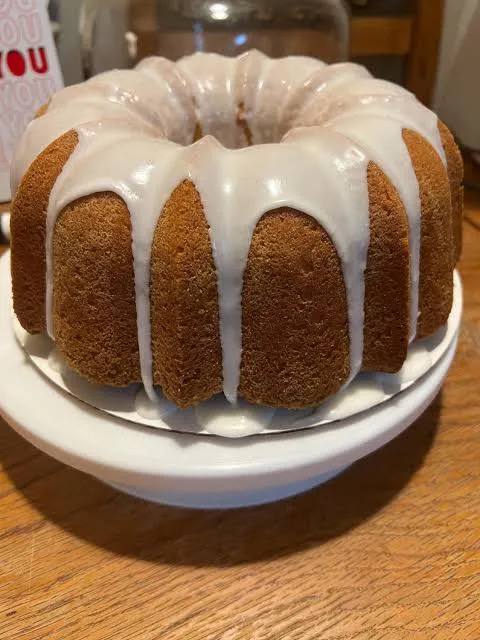
Get ready for a dessert experience so incredibly good, it’ll make you want to shout from the rooftops! We’re talking about the “Slap Ya Momma Pound Cake” – a name that playfully hints at the sheer, undeniable deliciousness packed into every single bite. This isn’t just any pound cake; it’s a rich, moist, and utterly classic Southern-inspired masterpiece that will instantly become a cherished favorite. With its perfectly golden-brown crust, dense yet tender crumb, and a luscious, sweet glaze drizzled generously over every curve, this bundt cake is pure comfort food at its finest. It’s the kind of cake that evokes warm memories, brings smiles to faces, and disappears remarkably fast, leaving everyone craving more.
What makes this pound cake so special? It’s the perfect harmony of simple, high-quality ingredients transformed into something extraordinary. Imagine a cake that’s buttery, sweet, and infused with that comforting hint of vanilla, all baked to perfection in a beautiful bundt pan. The playful “Slap Ya Momma” title isn’t meant to be taken literally, of course! Instead, it’s a fun, Southern-inspired way to express just how unbelievably good this cake is – so good it might just make you exclaim with joy! This recipe celebrates the tradition of Southern baking, where flavor and texture reign supreme, and every dish is made with a generous helping of love.
Prepare yourself for a perfectly golden-brown bundt cake that emerges from the oven smelling heavenly, ready to be adorned with its signature opaque glaze. This cake is incredibly versatile, making it ideal for a casual coffee break, an elegant dessert for a dinner party, a show-stopping contribution to a potluck, or a comforting treat during the holidays. It’s a testament to the power of classic baking, delivering a taste experience that is both familiar and utterly irresistible. So, tie on your apron, gather your ingredients, and get ready to bake a pound cake that truly lives up to its unforgettable name!
Nutritional Information
Per serving (approximate values):
- Calories: 550
- Protein: 6g
- Carbohydrates: 72g
- Fat: 28g
- Fiber: 1g
- Sodium: 280mg
Ingredients
- For the Cake:
- 3 cups all-purpose flour, spooned and leveled
- 1 teaspoon baking powder
- 1/2 teaspoon salt
- 1 cup (2 sticks) unsalted butter, softened to room temperature
- 3 cups granulated sugar
- 5 large eggs, at room temperature
- 1 cup whole milk, at room temperature
- 2 teaspoons pure vanilla extract
- For the Glaze:
- 2 cups powdered sugar (confectioners’ sugar)
- 1/4 cup whole milk (or more, as needed), at room temperature
- 1 teaspoon pure vanilla extract
Instructions
- Preheat Oven & Prepare Pan: Preheat your oven to 325°F (160°C). Grease and flour a 10-12 cup bundt pan very thoroughly. Ensure every crevice is coated to prevent sticking. You can use shortening and then dust with flour, or use a baking spray with flour.
- Combine Dry Ingredients: In a medium bowl, whisk together the flour, baking powder, and salt. Set aside.
- Cream Butter and Sugar: In a large mixing bowl, using an electric mixer (stand or hand-held) on medium speed, cream together the softened butter and granulated sugar until light and fluffy, about 5-7 minutes. This step is crucial for incorporating air into the batter, contributing to the cake’s texture.
- Add Eggs: Add the eggs one at a time, beating well after each addition. Scrape down the sides of the bowl as needed to ensure everything is well combined. The mixture might look slightly curdled at this stage, which is normal.
- Alternate Dry and Wet Ingredients: With the mixer on low speed, gradually add the dry ingredients to the butter mixture in three additions, alternating with the milk in two additions. Begin and end with the dry ingredients. For example: add 1/3 of the flour mixture, mix until just combined, then add 1/2 of the milk, mix, then 1/3 of the flour mixture, mix, remaining milk, mix, and finally the last 1/3 of the flour mixture. Mix until just combined; be careful not to overmix.
- Add Vanilla: Stir in the vanilla extract until fully incorporated.
- Fill Pan & Bake: Pour the batter evenly into the prepared bundt pan. Tap the pan gently on the counter a few times to release any air bubbles and level the batter.
- Bake for 60-75 minutes, or until a wooden skewer or toothpick inserted into the thickest part of the cake comes out clean. The top should be golden brown and spring back when lightly touched.
- Cool Cake: Once baked, remove the cake from the oven and let it cool in the bundt pan on a wire rack for 15-20 minutes. This allows the cake to firm up and makes it easier to remove.
- Invert Cake: After cooling in the pan, carefully invert the bundt cake onto the wire rack to cool completely. It’s crucial that the cake is completely cool before glazing, otherwise the glaze will melt and run off.
- Prepare Glaze: While the cake cools, prepare the glaze. In a medium bowl, whisk together the powdered sugar, milk, and vanilla extract until smooth and free of lumps. Add more milk, a teaspoon at a time, if the glaze is too thick, or more powdered sugar if it’s too thin, until you reach a pourable yet thick consistency.
- Glaze the Cake: Once the cake is completely cool, place the wire rack with the cake over a baking sheet or parchment paper to catch any drips. Drizzle the glaze evenly over the top and sides of the cake, allowing it to drip down the fluted edges for a beautiful presentation.
- Set & Serve: Let the glaze set for about 15-30 minutes before slicing and serving. Enjoy your “Slap Ya Momma Pound Cake”!
Cooking Tips and Variations
Achieving pound cake perfection is all about attention to detail. Firstly, and perhaps most importantly, ensure all your ingredients are at room temperature. This is critical for creating a smooth, emulsified batter where the fat, sugar, and eggs combine properly, leading to a tender and evenly textured cake. Cold ingredients can cause the batter to curdle and result in a dense, uneven crumb. When it comes to mixing, resist the urge to overmix the batter once the flour is added. Overmixing develops the gluten in the flour, which can lead to a tough, dry cake. Mix only until the ingredients are just combined. For testing doneness, the classic wooden skewer test is your best friend: insert it into the center of the cake, and if it comes out clean with no wet batter, your cake is ready. Allow the cake to cool properly – first in the pan for 15-20 minutes to firm up, then completely on a wire rack before glazing. Glazing a warm cake will cause the glaze to melt into a thin, watery mess.
The glaze consistency is also key to a beautiful finish. You want it thick enough to coat the cake and create an opaque layer, but thin enough to drizzle gracefully. Adjust with small amounts of liquid (milk) or powdered sugar until it reaches that perfect balance. A good trick for preparing your bundt pan is to use a non-stick baking spray that contains flour, or to generously grease with shortening and then dust heavily with flour, ensuring you get into all the nooks and crannies. This is essential for easy release and preserving the cake’s intricate design.
For variations, the possibilities are endless. To change up the flavor profile of the cake itself, consider adding the zest of one lemon or orange to the batter for a bright citrus note. A teaspoon of almond extract can be substituted for half of the vanilla, or even added in addition to the vanilla, for a sophisticated twist. For a truly decadent experience, you could swirl in 1/2 cup of melted dark chocolate into a portion of the batter before pouring it into the pan. Spices like a pinch of nutmeg or cardamom can also add warmth and complexity. The glaze offers another canvas for creativity: swap out the milk for lemon juice for a tangy lemon glaze, or use rum or bourbon for a boozy kick. A chocolate glaze made with melted chocolate and a touch of cream is always a crowd-pleaser. For a cream cheese glaze, simply beat together softened cream cheese, powdered sugar, milk, and vanilla until smooth. You can also add mix-ins like chopped pecans or walnuts to the batter for extra texture, especially if you slightly toast them beforehand to enhance their flavor.
Storage and Reheating
To keep your “Slap Ya Momma Pound Cake” fresh and delicious, proper storage is essential. Once the glaze has fully set, the cake should be stored at room temperature in an airtight container or covered tightly with plastic wrap. This helps to prevent it from drying out. Stored this way, it will remain fresh and moist for up to 3-4 days. If you live in a very warm or humid climate, or if your kitchen tends to be on the warmer side, you might consider refrigerating the cake. If refrigerated, wrap it well to prevent it from absorbing odors from other foods. When serving from the refrigerator, allow it to come to room temperature for about 30 minutes to an hour before slicing, as this will improve its texture and flavor.
Pound cake also freezes beautifully, making it an excellent candidate for baking ahead. To freeze, ensure the cake is completely cooled and the glaze is fully set. For best results, it’s often better to freeze the unglazed cake and glaze it after thawing, but a glazed cake can also be frozen. Wrap individual slices or the entire cake tightly in plastic wrap, then an additional layer of aluminum foil. This double layer of protection helps prevent freezer burn. Frozen pound cake can be stored for up to 3 months. To thaw, simply unwrap the cake (or slices) and let it sit at room temperature for several hours or overnight until fully defrosted. There’s generally no need to reheat pound cake; it’s best enjoyed at room temperature, where its moist, dense texture truly shines. If you prefer a slightly warm slice, you can gently microwave an individual slice for 10-15 seconds, but be careful not to overheat, as this can dry it out.
Frequently Asked Questions
Why do my pound cakes sometimes turn out dry?
Several factors can contribute to a dry pound cake. The most common culprits are overbaking, which causes too much moisture to evaporate, and overmixing the batter, which develops gluten and leads to a tougher, drier texture. Using too much flour or not enough fat can also throw off the moisture balance. Ensure you measure your flour correctly by spooning it into the measuring cup and leveling it, rather than scooping directly from the bag, which can compact it and add too much.
Can I make this pound cake without a bundt pan?
Yes, you can! While the bundt pan gives it its iconic shape, you can bake this pound cake in other pans. A 10-inch tube pan (with a removable bottom) is a great alternative, as it also has a central core that helps with even baking. Alternatively, you could use two 9×5-inch loaf pans, or even a 9×13-inch baking dish for a sheet cake style, though baking times will need to be adjusted and carefully monitored. The baking time will likely be shorter for loaf pans and significantly shorter for a sheet cake.
What’s the secret to getting a perfect, crack-free top on my pound cake?
While some cracking on the top of a pound cake is perfectly normal and even desirable as a sign of a good rise, excessive or uneven cracking can be minimized. One key is to ensure your oven temperature is accurate and consistent; a hot spot can cause uneven baking. Starting the cake in a slightly lower oven temperature (like 325°F as in this recipe) helps the cake bake more evenly and rise gradually, reducing the likelihood of a major crack. Also, ensure your batter is smooth and well-emulsified from properly creamed butter and sugar, as this contributes to an even rise.