Introduction
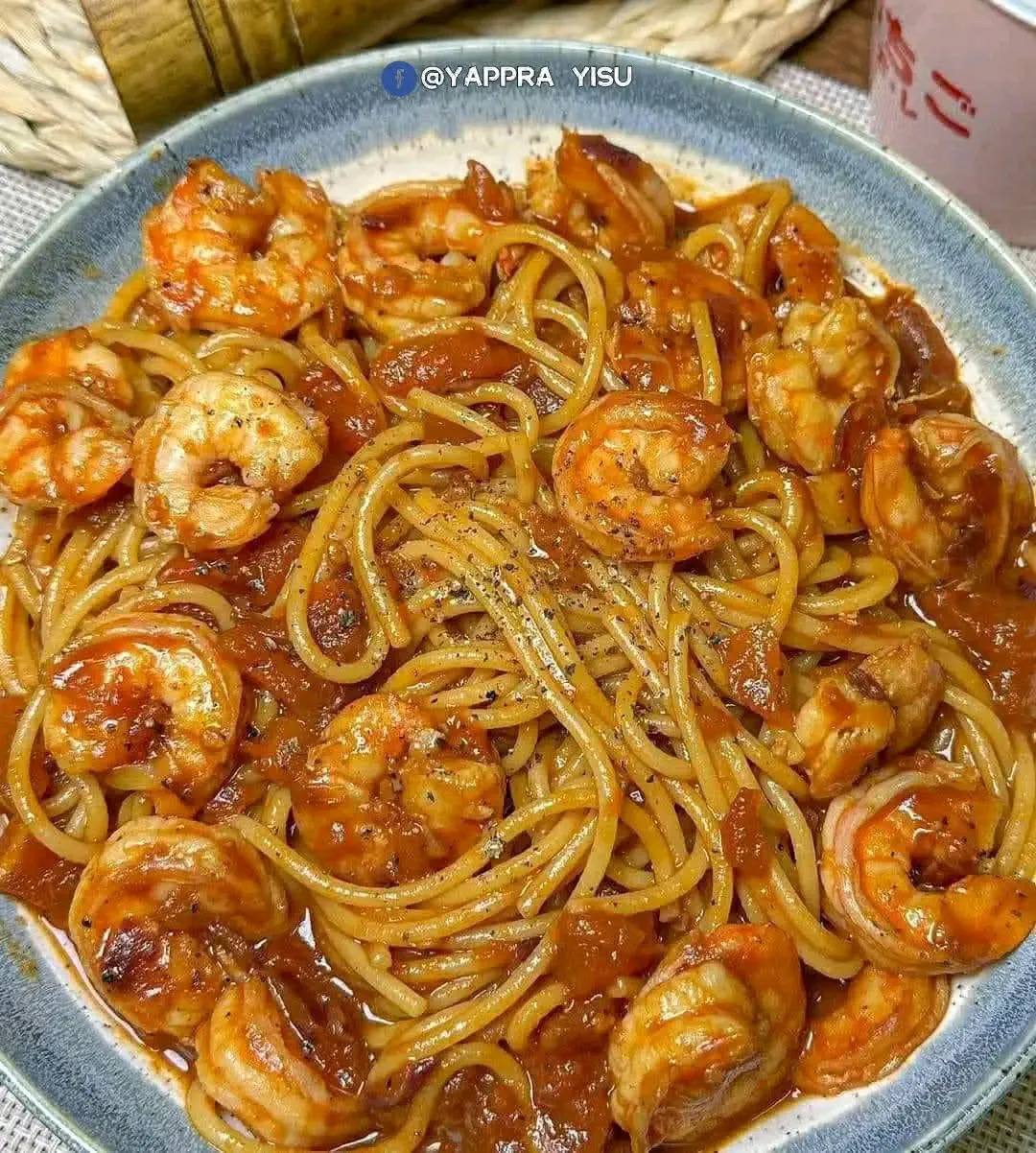
There’s something undeniably captivating about a quick, flavorful seafood pasta that transforms a regular weeknight into a culinary escape. Imagine tender, succulent shrimp mingling with perfectly al dente spaghetti, all coated in a vibrant, savory sauce that sings with the bright notes of fresh lemon and the aromatic allure of garlic butter. This Shrimp Spaghetti with Garlic Butter & Lemon isn’t just a meal; it’s an experience – a dish that proves gourmet flavors don’t require hours in the kitchen, making it an instant classic for both busy evenings and special occasions when you want to impress without the stress.
This recipe celebrates simplicity and the power of fresh ingredients. The beauty lies in its balanced flavor profile: the natural sweetness of the shrimp, the rich depth of butter and garlic, and the zesty, tangy kick of lemon that cuts through the richness and brightens every bite. It’s a harmonious blend that creates an incredibly satisfying and surprisingly light dish, perfect for those who crave a comforting yet elegant meal. Whether you’re a seasoned chef or a kitchen novice, this approachable recipe promises delicious results, proving that restaurant-quality seafood pasta is well within your reach.
What makes this Shrimp Spaghetti truly irresistible is its winning combination of speed, ease, and undeniable deliciousness. In less time than it takes to order takeout, you can have a steaming plate of this vibrant pasta on your table. It’s a crowd-pleaser that appeals to all palates, offering a delightful interplay of textures and tastes that will have everyone asking for seconds. Get ready to fall in love with your new favorite go-to seafood pasta dish!
Nutritional Information
Per serving (approximate values):
- Calories: 580 kcal
- Protein: 35g
- Carbohydrates: 60g
- Fat: 22g
- Fiber: 3g
- Sodium: 650mg
Ingredients
- 1 pound spaghetti or linguine
- 1.5 pounds large shrimp, peeled and deveined, tails on or off (your preference)
- 4 tablespoons unsalted butter
- 3 tablespoons olive oil, divided
- 6-8 cloves garlic, minced (about 2 tablespoons)
- 1/2 cup dry white wine (such as Pinot Grigio or Sauvignon Blanc), optional but recommended for depth
- 1/2 cup chicken or vegetable broth
- 1/4 cup fresh lemon juice (from 1-2 lemons)
- 1 tablespoon lemon zest (from 1 large lemon)
- 1/2 teaspoon red pepper flakes, or to taste (optional, for a little kick)
- 1/2 cup chopped fresh parsley, divided
- Salt and freshly ground black pepper to taste
- 1/2 cup grated Parmesan cheese, for serving (optional)
- Reserved pasta water, as needed
- 1 pint cherry tomatoes, halved (optional, for added color and sweetness)
Instructions
- Bring a large pot of salted water to a rolling boil. Add the spaghetti and cook according to package directions until al dente. Before draining, reserve about 1.5-2 cups of the starchy pasta water. Drain the spaghetti and set aside.
- While the pasta is cooking, pat the peeled and deveined shrimp dry with paper towels. Season the shrimp generously with salt and black pepper.
- In a large skillet or Dutch oven, heat 1 tablespoon of olive oil over medium-high heat. Add half of the seasoned shrimp in a single layer and cook for 1-2 minutes per side, until pink and opaque. Do not overcrowd the pan; cook in batches if necessary. Remove the cooked shrimp to a plate and set aside. Repeat with the remaining shrimp, adding a little more olive oil if needed.
- Reduce the heat to medium. Add the remaining 2 tablespoons of olive oil and the butter to the same skillet. Once the butter is melted, add the minced garlic and red pepper flakes (if using). Sauté for 1 minute, stirring constantly, until fragrant. Be careful not to burn the garlic.
- Pour in the dry white wine (if using) and chicken or vegetable broth. Bring the mixture to a gentle simmer, scraping up any browned bits from the bottom of the pan with a wooden spoon. Let it simmer for 2-3 minutes to allow the alcohol to cook off and the flavors to meld.
- Stir in the fresh lemon juice and lemon zest. If using cherry tomatoes, add them now and cook for 2-3 minutes until they just begin to soften.
- Add the cooked spaghetti to the skillet with the sauce. Toss well to coat the pasta evenly. Add about 1/2 cup of the reserved pasta water, a little at a time, to help create a silky sauce that coats the spaghetti beautifully. Continue tossing until the sauce reaches your desired consistency, adding more pasta water as needed.
- Return the cooked shrimp to the skillet with the pasta. Add about half of the fresh parsley. Gently toss everything together for another minute, just to heat the shrimp through.
- Taste and adjust seasoning with additional salt, pepper, or lemon juice if desired.
- Serve immediately, garnished with the remaining fresh parsley and a sprinkle of grated Parmesan cheese, if using.
Cooking Tips and Variations
Getting this Shrimp Spaghetti perfect is all about timing and attention to detail. The most crucial tip is to avoid overcooking the shrimp. They cook very quickly, turning from grey to pink in just a couple of minutes per side. Overcooked shrimp become tough and rubbery, so keep a close eye on them and remove them from the heat as soon as they’re opaque. Another essential technique is using reserved pasta water. This starchy water is a magic ingredient; it helps to emulsify the sauce, making it cling beautifully to the spaghetti and creating a luxurious, silky texture without needing heavy cream. Don’t be shy about adding it gradually until you reach your desired consistency.
Achieving the right balance with lemon is key. Freshly squeezed lemon juice is non-negotiable here – bottled juice simply won’t deliver the same vibrant, zesty punch. Start with the recommended amount and then taste before adding more, as lemons vary in acidity. The lemon zest adds an intense aromatic burst, so don’t skip it! For those who enjoy a little heat, a pinch of red pepper flakes added with the garlic will provide a pleasant warmth without overpowering the delicate seafood flavors. If you prefer a milder dish, you can omit them entirely.
Fresh herbs are another excellent way to elevate this dish. While parsley is classic, a handful of fresh basil leaves torn or chopped and tossed in at the very end would add another layer of aromatic freshness. For an extra layer of flavor and richness, consider deglazing the pan with a splash of dry white wine after sautéing the garlic. This adds complexity and brightness to the sauce. If you don’t have wine, chicken or vegetable broth works perfectly well. Finally, for an optional but delicious twist, stir in a handful of halved cherry tomatoes with the sauce to add a burst of sweetness and color; they’ll soften slightly and release their juices, adding to the sauce’s depth. Serve with a crisp white wine like Sauvignon Blanc or Pinot Grigio to complement the zesty seafood flavors.
Storage and Reheating
This Shrimp Spaghetti is best enjoyed fresh, immediately after preparation, as pasta can absorb sauce and shrimp can lose some tenderness over time. However, if you do have leftovers, they can be stored in an airtight container in the refrigerator for up to 2 days. It’s generally not recommended to freeze this dish, as the pasta can become mushy and the shrimp’s texture can degrade upon thawing.
When reheating, the goal is to warm it through without overcooking the shrimp or drying out the pasta. The best method is to gently warm it in a skillet over medium-low heat. Add a splash of chicken broth or even a little water to help rehydrate the sauce and prevent the pasta from sticking. Stir occasionally until heated through. You can also microwave individual portions, but be careful not to overheat, as this can make the shrimp rubbery. Reheat in short bursts, stirring in between, until just warm. A squeeze of fresh lemon juice and a sprinkle of fresh parsley after reheating can help revive the flavors.
Frequently Asked Questions
Can I use frozen shrimp for this recipe?
Absolutely! Frozen shrimp work perfectly well for this recipe. Just make sure to properly thaw them first. The best way to thaw frozen shrimp is overnight in the refrigerator, or for a quicker method, place them in a colander under cold running water for about 10-15 minutes until fully defrosted. Pat them thoroughly dry with paper towels before cooking to ensure a good sear.
What kind of pasta works best if I don’t have spaghetti?
While spaghetti is classic, many other long, thin pasta shapes will work beautifully. Linguine is an excellent alternative, as is fettuccine or even a thinner bucatini. The goal is to have a pasta shape that can effectively hold onto the garlic butter and lemon sauce. Avoid very thick or short pasta shapes, as they might not coat as well.
Can I make this recipe dairy-free?
Yes, you can adapt this recipe to be dairy-free. Simply substitute the unsalted butter with a high-quality dairy-free butter alternative or use an additional 2-3 tablespoons of olive oil. The flavor profile will still be rich and delicious with the garlic, lemon, and olive oil base.
How can I make the sauce thicker?
The sauce for this dish is designed to be light and cling to the pasta. If you prefer a slightly thicker sauce, the key is the reserved pasta water. Add it gradually while tossing the pasta in the skillet; the starch from the pasta water helps to emulsify and thicken the sauce naturally. If you still desire more thickness, you can whisk in a tablespoon of cornstarch mixed with a tablespoon of cold water into the simmering sauce *before* adding the pasta, and then let it cook for a minute to thicken.