Introduction
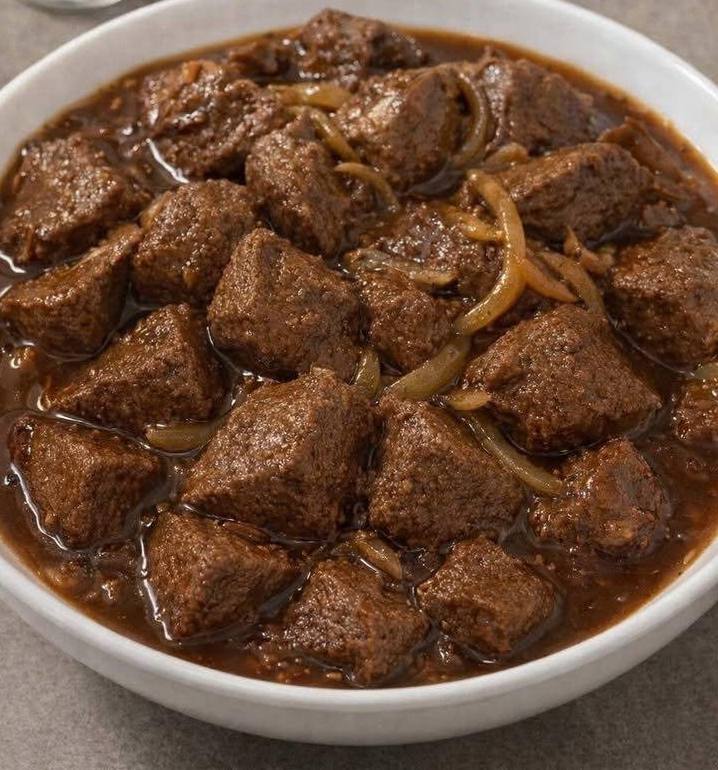
Ah, liver and onions. For some, the very mention conjures images of childhood dinners and comforting, savory aromas. For others, it’s a dish shrouded in mystery, perhaps even a little apprehension. But let me tell you, when done right, liver and onions is a culinary revelation – a true unsung hero of comfort food that deserves a triumphant reintroduction to your kitchen. Forget any preconceived notions you might have; this isn’t your grandma’s bland, overcooked liver. We’re talking about a robust, flavorful, and incredibly tender dish, where succulent pieces of liver are perfectly complemented by deeply caramelized onions swimming in a rich, glossy, and intensely savory sauce. It’s a symphony of textures and tastes that will convert even the most skeptical diner.
This particular rendition elevates the classic to new heights, transforming it into a hearty, stew-like experience that’s perfect for a satisfying meal. The secret lies in a careful balance of searing and slow simmering, allowing the flavors to meld beautifully. We’ll achieve melt-in-your-mouth liver that’s anything but tough, and onions so sweet and jammy they practically dissolve into the luscious gravy. Beyond its incredible taste, liver and onions is also a nutritional powerhouse and remarkably affordable, making it a smart choice for budget-conscious foodies looking for wholesome, delicious meals. Get ready to discover a comforting classic reborn, a dish that’s easy to prepare, bursting with flavor, and profoundly satisfying.
What sets this recipe apart is its depth of flavor and tender execution. We’re moving beyond a simple pan-fry to create a stew-like consistency where every ingredient contributes to a harmonious whole. The dark, rich sauce, reminiscent of an Asian-inspired gravy, coats every piece of liver and onion, ensuring each bite is packed with umami. This isn’t just about cooking liver; it’s about crafting a truly memorable meal that celebrates the often-overlooked potential of this nutrient-dense ingredient. Prepare to be amazed by how easy it is to create such a profoundly flavorful and comforting dish right in your own home.
Nutritional Information
Per serving (approximate values):
- Calories: 450 kcal
- Protein: 45g
- Carbohydrates: 25g
- Fat: 18g
- Fiber: 3g
- Sodium: 950mg
Ingredients
- 1.5 lbs beef liver, sliced into 1-inch thick pieces
- 1 cup milk (for soaking)
- 3 large yellow onions, thinly sliced
- 4 cloves garlic, minced
- 1-inch piece fresh ginger, grated
- 2 tablespoons cooking oil (vegetable or canola)
- 1/4 cup all-purpose flour (for dredging)
- 1/2 cup soy sauce (low sodium preferred)
- 1/4 cup oyster sauce
- 2 tablespoons brown sugar (packed)
- 1 tablespoon rice vinegar
- 1 teaspoon black pepper, freshly ground
- 2 cups beef broth, low sodium
- 1 tablespoon cornstarch
- 2 tablespoons cold water (for cornstarch slurry)
- 1/4 cup chopped fresh scallions, for garnish
- Cooked white rice or mashed potatoes, for serving
Instructions
- Prepare the Liver: Begin by rinsing the beef liver slices under cold water. Pat them thoroughly dry with paper towels. Place the liver in a shallow dish and pour milk over it, ensuring all pieces are submerged. Let it soak for at least 30 minutes, or up to an hour, in the refrigerator. This step helps to draw out any bitterness and tenderize the liver.
- Drain and Dredge Liver: After soaking, remove the liver from the milk and pat each piece very dry with paper towels. Cut the liver into approximately 1 to 1.5-inch cubes or bite-sized pieces. In a shallow plate, spread out the flour. Lightly dredge each piece of liver in the flour, shaking off any excess. Set aside.
- Sauté the Onions: Heat 1 tablespoon of cooking oil in a large, heavy-bottomed skillet or Dutch oven over medium heat. Add the thinly sliced onions and cook, stirring occasionally, for 10-15 minutes, or until they are very soft, translucent, and beginning to caramelize to a golden brown. This slow cooking develops their sweetness. Remove the onions from the skillet and set them aside.
- Sear the Liver: Add the remaining 1 tablespoon of cooking oil to the same skillet over medium-high heat. Once the oil is shimmering, add the floured liver pieces in a single layer, working in batches if necessary to avoid overcrowding the pan. Sear for 2-3 minutes per side, just until they are nicely browned on the exterior. The liver should still be slightly pink in the center at this stage. Remove the seared liver from the skillet and set aside with the onions.
- Build the Sauce Base: Reduce the heat to medium. Add the minced garlic and grated ginger to the skillet. Sauté for 1 minute until fragrant, being careful not to burn the garlic.
- Combine Sauce Ingredients: Pour in the beef broth, soy sauce, oyster sauce, brown sugar, and rice vinegar. Stir well, scraping up any browned bits from the bottom of the pan to incorporate all the flavor. Bring the sauce to a gentle simmer.
- Return Liver and Onions to Skillet: Add the seared liver and sautéed onions back into the simmering sauce. Stir gently to coat everything. Reduce the heat to low, cover the skillet, and let it simmer for 10-15 minutes. This allows the liver to finish cooking through and absorb the flavors of the sauce, becoming incredibly tender.
- Thicken the Sauce: In a small bowl, whisk together the cornstarch and cold water to create a smooth slurry. Uncover the skillet and slowly pour the cornstarch slurry into the simmering sauce while stirring constantly. Continue to stir for 1-2 minutes until the sauce thickens to your desired consistency – it should be glossy and coat the back of a spoon.
- Season and Serve: Stir in the freshly ground black pepper. Taste and adjust seasoning if necessary (you may need a pinch more sugar or a dash more vinegar depending on your preference). Garnish generously with chopped fresh scallions. Serve immediately over a bed of warm white rice or alongside creamy mashed potatoes to soak up every last drop of that delicious, rich sauce.
Cooking Tips and Variations
To truly master this robust liver and onions dish, a few key techniques and considerations will make all the difference. Firstly, the quality of your liver matters. Opt for fresh, bright-looking beef liver from a reputable butcher. While the recipe focuses on beef liver, chicken liver can be a delicious, milder alternative if you’re new to liver; just be sure to adjust cooking times as chicken liver cooks much faster. The soaking step in milk is non-negotiable for tender, less “gamey” liver. Don’t skip it! It helps to remove any metallic notes and contributes to a smoother texture. When searing the liver, ensure your pan is hot enough to get a good brown crust quickly, but do not overcrowd the pan. Searing in batches prevents the temperature from dropping, which would steam the liver instead of browning it. Remember, liver cooks very quickly, so aim for a medium-rare sear before it goes into the sauce; it will finish cooking during the simmering phase. Overcooked liver is tough liver, and that’s what gives this dish a bad reputation.
For the onions, patience is a virtue. Caramelizing them slowly on medium-low heat until they are deeply golden and jam-like is crucial for developing their natural sweetness, which beautifully balances the savory richness of the sauce and the liver. Don’t rush this step. The sauce is the heart of this dish, providing its signature savory stew-like character. Using a combination of soy sauce and oyster sauce creates a profound umami depth that’s hard to beat. The touch of brown sugar balances the saltiness, while rice vinegar adds a hint of brightness to cut through the richness. Feel free to adjust these to your taste. If you prefer a spicier kick, a pinch of red pepper flakes or a dash of chili garlic sauce can be added to the sauce. For extra umami, a splash of Worcestershire sauce or a few dried shiitake mushrooms (rehydrated and sliced) can be incorporated into the sauce base.
Variations can personalize this dish to your liking. Consider adding other vegetables: sliced bell peppers (red or green) can be sautéed with the onions for added color and sweetness, or sliced mushrooms (cremini or shiitake) can be added during the garlic and ginger stage for an earthy depth. Fresh herbs like thyme or rosemary can be simmered with the sauce for a more traditional European flavor profile, though they would shift the “Asian-inspired” nature of this particular recipe. For a richer, more decadent sauce, you could stir in a tablespoon of butter at the very end, just before serving. Experiment with different broths too; a mushroom broth could add another layer of umami. Always taste the sauce before serving and adjust according to your preference – a little more sugar for sweetness, a dash more vinegar for tang, or a pinch of salt if needed. The goal is a perfectly balanced, harmoniously flavored stew.
Storage and Reheating
This savory liver and onions dish makes for excellent leftovers, as the flavors often deepen overnight. To store, allow the dish to cool completely to room temperature within two hours of cooking. Transfer the liver and onions, along with all the sauce, into an airtight container. It can be stored in the refrigerator for up to 3-4 days. For longer storage, this dish freezes surprisingly well. Place the cooled liver and onions in a freezer-safe container or heavy-duty freezer bag, ensuring there’s as little air as possible to prevent freezer burn. It can be frozen for up to 2-3 months. Thaw frozen portions overnight in the refrigerator before reheating.
When reheating, the goal is to warm it through gently without overcooking the liver, which can become tough. For best results, reheat on the stovetop. Transfer the desired portion to a saucepan or skillet over medium-low heat. Add a splash of beef broth or water if the sauce appears too thick or dry. Stir occasionally, allowing it to warm through slowly until simmering gently and heated evenly. Avoid high heat, as this can cause the liver to seize up and toughen. If reheating in the microwave, place the liver and onions in a microwave-safe dish, cover loosely, and heat in 1-2 minute intervals, stirring in between, until hot. Be cautious not to overheat. The sauce may thin slightly upon reheating, but the flavor will remain robust and delicious. Serve with freshly cooked rice or mashed potatoes for a comforting meal.
Frequently Asked Questions
Why do people soak liver in milk?
Soaking liver in milk is a traditional and highly effective technique used to tenderize the liver and draw out any lingering metallic or “gamey” flavors. The lactic acid in the milk helps to break down some of the liver’s tough fibers, resulting in a more tender texture. Additionally, the milk helps to neutralize any strong off-flavors, leaving the liver with a milder and more palatable taste. This step is crucial for achieving a delicious and enjoyable liver and onions dish, especially for those who might be hesitant about eating liver.
How do I prevent the liver from becoming tough?
Preventing tough liver involves two main strategies: proper preparation and careful cooking. First, soaking the liver in milk (as mentioned above) is key for tenderness. Second, and perhaps most importantly, do not overcook the liver. Liver cooks very quickly. When searing, aim for a quick brown crust on the outside while leaving the inside slightly pink. The liver will then finish cooking gently in the simmering sauce, ensuring it remains tender and succulent. High heat for extended periods will invariably lead to tough, rubbery liver, so keep an eye on your cooking times and temperatures.
What can I use if I don’t have oyster sauce?
Oyster sauce provides a unique savory, slightly sweet, and umami depth to the sauce. If you don’t have oyster sauce, you can create a reasonable substitute. A good option is to combine 1/4 cup soy sauce with 1 tablespoon of brown sugar and 1 teaspoon of fish sauce. The fish sauce will provide a similar savory, fermented depth, while the soy sauce and brown sugar mimic the other flavor notes. Another alternative is to use a dark mushroom soy sauce for added umami, or a touch of hoisin sauce, though hoisin is sweeter and might require reducing the amount of brown sugar in the recipe.
Can I make this dish with chicken liver instead of beef liver?
Yes, you can absolutely make this dish with chicken liver! Chicken liver is generally milder in flavor and even more tender than beef liver, making it a great option for those new to eating liver or who prefer a less intense taste. The preparation steps, including soaking in milk, would remain the same. However, you will need to significantly reduce the cooking times. Chicken liver cooks much faster than beef liver; searing will only take about 1-2 minutes per side, and the simmering time in the sauce should be reduced to 5-7 minutes to prevent overcooking and ensure it remains wonderfully tender.