Introduction
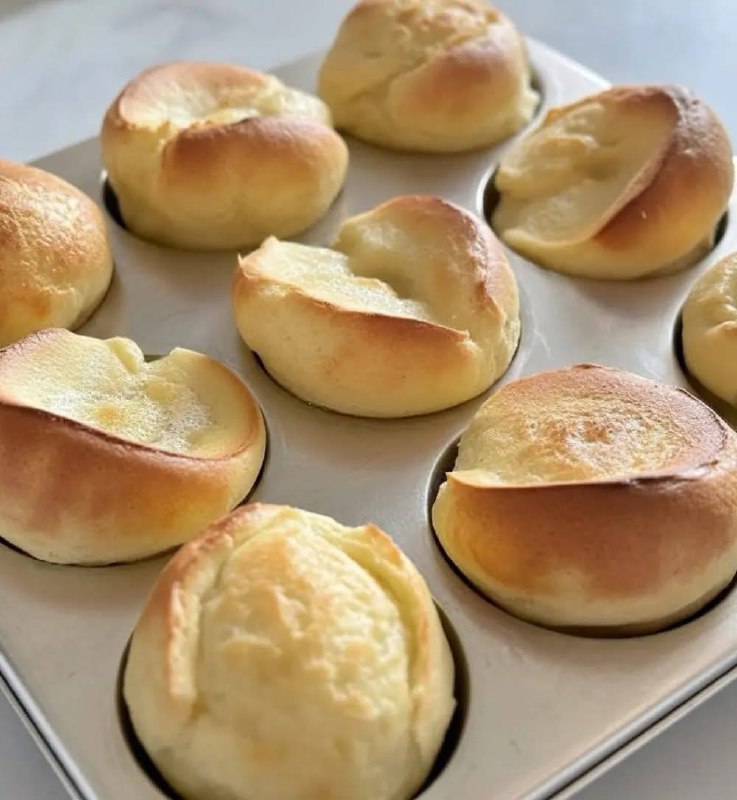
Ah, the humble Yorkshire Pudding! More than just a side dish, it’s an iconic staple of the British roast dinner, a culinary marvel that transforms simple ingredients into a puffed-up, golden-brown triumph. Imagine a perfectly roasted joint of meat, glistening gravy, and then, nestled alongside, these glorious, airy creations with their crispy edges and wonderfully soft, almost custardy interiors. They’re not just food; they’re a celebration, a testament to the magic that happens when a few basic kitchen staples are treated with respect and a touch of heat. From their humble beginnings as a way to utilize dripping from roasting meat, Yorkshire puddings have evolved into a beloved tradition, a dish capable of stealing the spotlight from even the most impressive main course.
What truly sets a great Yorkshire Pudding apart? It’s that dramatic rise, the deep golden hue that promises a satisfying crunch, and the perfect balance of a light, airy texture within its well-formed cup. It should be a vessel, ready to be filled with rich gravy, or simply enjoyed on its own, a testament to the power of steam and hot fat. Often compared to American popovers, Yorkshire puddings have their own distinct character, rooted in British culinary heritage. In this comprehensive guide, we’re going to unlock the secrets to achieving that perfect, sky-high rise and irresistible crunch, ensuring your homemade Yorkshire puddings are nothing short of spectacular. Prepare to master the art of this classic, and elevate your next roast dinner to legendary status.
This recipe isn’t just about mixing ingredients; it’s about understanding the science behind the puff. We’ll walk you through every critical step, from crafting the ideal batter consistency to mastering the art of the pre-heated fat, ensuring you avoid common pitfalls and achieve consistently impressive results. Get ready to impress your family and friends with a batch of golden, fluffy Yorkshire puddings that will have everyone asking for seconds. Let’s dive in and create some culinary magic!
Nutritional Information
Per serving (approximate values, based on 12 puddings):
- Calories: 120-150 kcal
- Protein: 4-6g
- Carbohydrates: 12-15g
- Fat: 6-9g
- Fiber: 0.5-1g
- Sodium: 80-120mg
Ingredients
- 175g (1 ½ cups) plain (all-purpose) flour
- 4 large eggs
- 200ml (scant 1 cup) milk (whole or semi-skimmed)
- 50ml (¼ cup) cold water
- ½ teaspoon fine sea salt
- 4-6 tablespoons beef dripping, vegetable oil, or sunflower oil (enough to generously coat the bottom of each muffin tin cup)
Instructions
- Prepare the Batter: In a large mixing bowl, sift the plain flour and salt together. This helps to aerate the flour and prevent lumps.
- Add Wet Ingredients: In a separate jug, whisk the eggs until well combined. Gradually add the milk and cold water to the eggs, whisking continuously until smooth.
- Combine Wet and Dry: Make a well in the center of the flour mixture. Gradually pour the wet ingredients into the well, whisking slowly from the center outwards, incorporating the flour a little at a time. Continue whisking until you have a smooth batter, free of lumps. The consistency should be like thin cream.
- Rest the Batter: This is a crucial step for a good rise. Cover the bowl with cling film or a clean tea towel and let the batter rest in the refrigerator for at least 30 minutes, or ideally for 2-3 hours. You can even make it the night before and leave it overnight. Resting allows the gluten to relax and the starch granules to fully hydrate, leading to a much better rise.
- Preheat Oven and Fat: About 30 minutes before you’re ready to cook, preheat your oven to a very hot 220°C (425°F / Gas Mark 7). Place 1-2 teaspoons of your chosen fat (beef dripping for traditional flavour, or vegetable/sunflower oil) into each cup of a 12-hole muffin tin or a dedicated Yorkshire pudding tin.
- Heat the Fat: Place the muffin tin with the fat into the preheated oven. Heat for at least 10-15 minutes, or until the fat is smoking hot. This is absolutely essential for a dramatic rise and crispy exterior. Do not skip this step!
- Pour the Batter: Carefully remove the smoking hot tin from the oven. Working quickly, give your rested batter one final whisk. Pour the batter evenly into each cup, filling them about one-third to halfway. The batter should sizzle as it hits the hot fat.
- Bake to Perfection: Immediately return the tin to the hot oven. Bake for 20-25 minutes, or until the Yorkshire puddings are gloriously risen, deep golden brown, and wonderfully crispy. Resist the urge to open the oven door during the first 15-20 minutes, as this can cause them to deflate.
- Serve Immediately: Once baked, carefully remove the Yorkshire puddings from the tin. They are best served straight from the oven, piping hot, alongside your favorite roast dinner and plenty of gravy.
Cooking Tips and Variations
To achieve the ultimate Yorkshire Pudding, attention to detail is key. Firstly, the temperature of your oven and fat is paramount. A screaming hot oven and smoking hot fat are the non-negotiable foundations for that impressive rise. If the fat isn’t hot enough, your puddings will be dense and greasy instead of light and airy. Secondly, don’t skimp on the resting time for the batter. This allows the gluten to relax, which is crucial for elasticity and a good puff. Think of it as letting your muscles relax before a big stretch – it makes a huge difference. Using cold liquid (milk and water) in the batter, combined with the hot fat, creates a powerful steam explosion that forces the puddings to rise dramatically.
For the best flavor, traditionalists swear by beef dripping. It imparts a rich, savory taste that complements a roast dinner perfectly. However, if you prefer a neutral flavor or are catering to dietary preferences, high smoke point vegetable oils like sunflower or rapeseed oil work wonderfully. Avoid olive oil as its smoke point is too low. Another pro tip is to not overcrowd the oven; if you’re making a large batch, bake them in two separate tins rather than trying to cram too many in, as this can lower the oven temperature and hinder the rise. Once they’re in the oven, resist the temptation to peek! Opening the oven door releases heat and can cause your magnificent puffs to collapse.
While the classic Yorkshire Pudding is a savory accompaniment, there are fun variations to explore. For a touch of sweetness, you could add a pinch of sugar to the batter and serve them with fruit and cream for a dessert. Mini Yorkshire puddings, baked in mini muffin tins, make fantastic canapés; fill them with rare roast beef and horseradish cream for an elegant bite. For a cheesy twist, sprinkle a little grated hard cheese, like mature cheddar or Parmesan, into the batter just before baking. You could also experiment with adding a pinch of dried herbs, such as thyme or rosemary, to the batter for an aromatic touch. The basic batter is incredibly versatile, so once you’ve mastered the classic, feel free to get creative!
Storage and Reheating
Yorkshire Puddings are undoubtedly at their absolute best when served fresh from the oven, hot and crispy. However, if you find yourself with leftovers (a rare occurrence for good Yorkshire puddings!), they can be stored and reheated. To store, allow them to cool completely to room temperature. Once cool, place them in an airtight container or a freezer bag. They can be stored in the refrigerator for up to 2-3 days.
For longer storage, Yorkshire Puddings freeze remarkably well. Once completely cooled, arrange them in a single layer on a baking sheet and flash freeze them for about an hour until solid. This prevents them from sticking together. Then, transfer the frozen puddings to a freezer-safe bag or airtight container. They can be kept in the freezer for up to 3 months.
Reheating is straightforward and can bring them back to a surprisingly good crispness. If reheating from the refrigerator, preheat your oven to 180°C (350°F). Place the puddings directly on a baking sheet and heat for about 5-7 minutes, or until they are hot through and have re-crisped. If reheating from frozen, there’s no need to thaw them first. Preheat your oven to 200°C (400°F). Place the frozen puddings directly on a baking sheet and bake for 10-15 minutes, or until hot, golden, and crispy once more. Avoid reheating in a microwave, as this will make them soft and chewy rather than crispy. A toaster oven can also work well for one or two puddings if you’re looking for a quick crisp-up.
Frequently Asked Questions
Why didn’t my Yorkshire puddings rise?
There are a few common culprits for a flat Yorkshire pudding. The most frequent reason is that the fat in the tin wasn’t hot enough when the batter was added. The fat needs to be smoking hot to create the steam that makes them puff. Another reason could be an oven that wasn’t hot enough, or opening the oven door too early during baking, which lets out crucial heat. Ensure your batter has rested sufficiently, as this also contributes to a good rise. Finally, too much liquid in the batter can make it too thin and prevent it from holding its structure.
Can I make the batter ahead of time?
Absolutely, and in fact, it’s highly recommended! Making the batter several hours in advance or even the night before and letting it rest in the refrigerator allows the gluten in the flour to relax and fully hydrate. This leads to a smoother batter and a much better, more consistent rise. Just give it a good whisk right before you’re ready to pour it into the hot fat.
What’s the best fat to use for Yorkshire puddings?
Traditionally, beef dripping is considered the best fat to use as it imparts a rich, savory flavor that complements a roast dinner perfectly. However, if you don’t have beef dripping or prefer a neutral taste, high smoke point vegetable oils like sunflower oil or rapeseed oil are excellent alternatives. Avoid butter or olive oil, as they have lower smoke points and can burn, leading to a bitter taste.
My Yorkshire puddings are crispy on the outside but soggy inside. What went wrong?
A soggy interior often indicates that the puddings haven’t cooked through properly, or the oven temperature wasn’t consistent. Ensure your oven is accurately calibrated and that the puddings have enough time to bake until they are fully set and golden all over, not just on the edges. Sometimes, if the batter is too thick, it can lead to a dense, undercooked interior. Adjusting the amount of milk or water to achieve a thin cream consistency can help.