Introduction
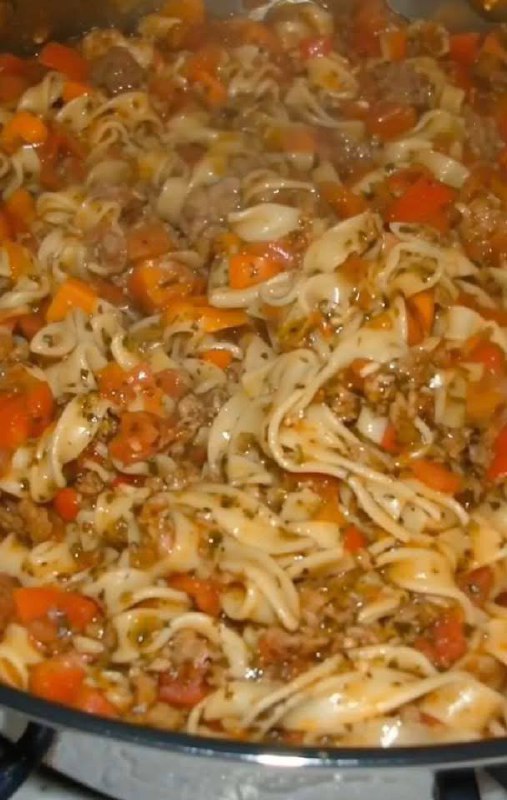
Get ready for a culinary adventure that bridges two beloved food cultures in the most delicious way possible: Italian Drunken Noodles! Imagine the robust, comforting flavors of your favorite Italian pasta dish colliding with the vibrant, savory, and slightly spicy kick of Thai Pad Kee Mao. This isn’t just a fusion; it’s a revelation, a dish so unexpectedly harmonious that it will leave you wondering why you haven’t tried it sooner. We’re taking the best of both worlds – the hearty, saucy goodness of an Italian ragu and the “drunken” depth of flavor that makes Pad Kee Mao so addictive – and creating a pasta masterpiece that’s perfect for a satisfying weeknight meal or an impressive dinner party.
What makes this dish truly special is its ability to deliver on multiple fronts. It’s incredibly savory, packed with umami-rich ingredients that tantalize the taste buds. The “drunken” element, in our Italian interpretation, comes from a generous splash of red wine and other potent flavors that create a complex, slow-cooked depth without the long simmer time. We’ve chosen a pasta shape that perfectly mimics the wide, chewy noodles of its Thai inspiration, while allowing it to soak up every last drop of the rich, tomato-infused sauce. This dish isn’t just about combining ingredients; it’s about creating a new, unforgettable flavor profile that is both familiar and excitingly new.
So, forget everything you thought you knew about traditional pasta and prepare to embark on a flavor journey that will redefine your comfort food cravings. This Italian Drunken Noodles recipe delivers on texture, taste, and satisfaction, promising a plateful of pure culinary joy. It’s hearty, saucy, and surprisingly easy to make, proving that some of the best culinary innovations happen when you dare to mix and match. Get ready to fall in love with your new favorite fusion sensation!
Nutritional Information
Per serving (approximate values):
- Calories: 680
- Protein: 45g
- Carbohydrates: 65g
- Fat: 28g
- Fiber: 8g
- Sodium: 950mg
Ingredients
- 1 pound wide egg noodles or mafalda corta pasta
- 1 tablespoon olive oil
- 1 pound ground Italian sausage (mild or hot, or a mix of ground beef and pork)
- 1 large yellow onion, finely diced
- 4 cloves garlic, minced
- 1 red bell pepper, cored, seeded, and diced
- 1 green bell pepper, cored, seeded, and diced
- 1 (28 ounce) can crushed tomatoes
- 1/2 cup dry red wine (such as Chianti or Merlot)
- 1/4 cup chicken broth or vegetable broth
- 2 tablespoons Worcestershire sauce
- 1 tablespoon tomato paste
- 1 teaspoon dried oregano
- 1/2 teaspoon dried basil
- 1/4 teaspoon red pepper flakes (optional, for heat)
- Salt and freshly ground black pepper to taste
- 1/2 cup grated Parmesan cheese, plus more for serving
- 1/4 cup chopped fresh parsley, for garnish
Instructions
- Bring a large pot of salted water to a rolling boil. Add the pasta and cook according to package directions until al dente. Reserve 1 cup of pasta cooking water before draining.
- While the pasta cooks, heat the olive oil in a large, deep skillet or Dutch oven over medium-high heat. Add the ground Italian sausage and cook, breaking it up with a spoon, until thoroughly browned and no pink remains. Drain off any excess fat and transfer the cooked sausage to a plate, leaving about 1 tablespoon of fat in the skillet.
- Reduce the heat to medium. Add the diced yellow onion to the skillet and cook, stirring occasionally, until softened and translucent, about 5-7 minutes.
- Stir in the minced garlic, diced red bell pepper, and diced green bell pepper. Cook for another 5-7 minutes, until the peppers start to soften.
- Add the tomato paste to the skillet and cook for 1 minute, stirring constantly, to deepen its flavor.
- Pour in the red wine and bring to a simmer, scraping up any browned bits from the bottom of the pan with a wooden spoon. Let it simmer for 2-3 minutes, allowing the alcohol to cook off and the sauce to reduce slightly.
- Stir in the crushed tomatoes, chicken or vegetable broth, Worcestershire sauce, dried oregano, dried basil, and red pepper flakes (if using). Bring the sauce to a gentle simmer.
- Return the cooked Italian sausage to the skillet with the sauce. Season with salt and freshly ground black pepper to taste. Reduce the heat to low, cover, and let the sauce simmer for at least 15-20 minutes, allowing the flavors to meld and deepen. Stir occasionally.
- Once the sauce has simmered, add the drained, al dente pasta directly into the skillet with the sauce. Add 1/2 cup of the reserved pasta cooking water and toss everything together thoroughly, ensuring all the pasta is coated in the rich sauce.
- Stir in the 1/2 cup of grated Parmesan cheese. If the sauce seems too thick, add more pasta cooking water, a tablespoon at a time, until it reaches your desired consistency.
- Taste and adjust seasonings one last time.
- Serve hot, garnished generously with fresh chopped parsley and extra grated Parmesan cheese.
Cooking Tips and Variations
For the best Italian Drunken Noodles experience, choosing the right pasta shape is key. We recommend wide egg noodles or mafalda corta, as their broad surface and ruffled edges are perfect for catching and holding onto the rich, savory sauce, mimicking the texture of traditional Thai drunken noodles. If you can’t find these, campanelle or even a wide pappardelle can work beautifully. Don’t overcook your pasta; aim for a firm al dente, as it will continue to absorb liquid and cook slightly when tossed with the hot sauce. This prevents a mushy texture and ensures a satisfying bite. When browning the Italian sausage, take the time to get a good sear on it, as those browned bits (fond) will add incredible depth of flavor to your sauce. After draining excess fat, use a splash of red wine or broth to deglaze the pan, scraping up all those flavorful pieces from the bottom.
To deepen the “drunken” flavor, consider simmering the sauce for a bit longer, up to 30-40 minutes, to allow the flavors to truly meld. If you prefer a vegetarian option, omit the sausage and instead use a plant-based ground meat substitute or increase the amount of bell peppers and add mushrooms for an earthy umami boost. You could also incorporate eggplant or zucchini. For an extra layer of umami, a teaspoon of anchovy paste (it melts away and won’t make the dish taste fishy) can be added with the tomato paste. If you love heat, feel free to increase the red pepper flakes or add a finely minced fresh chili, like a serrano or a small amount of habanero, when sautéing the garlic and onions. For a richer, creamier finish, stir in a tablespoon or two of cream cheese or mascarpone along with the Parmesan cheese at the end. A final drizzle of high-quality extra virgin olive oil before serving can also elevate the flavors.
Storage and Reheating
Italian Drunken Noodles are best enjoyed fresh, but leftovers can be stored in an airtight container in the refrigerator for up to 3-4 days. The pasta will continue to absorb the sauce over time, so the texture might become softer. When reheating, gently warm the pasta in a skillet over medium-low heat, adding a splash of chicken broth, water, or even a little more red wine to loosen the sauce and prevent it from drying out. Stir frequently until heated through. You can also reheat individual portions in the microwave, covering the dish loosely to retain moisture, and stirring halfway through. Avoid overheating, as this can make the pasta mushy. Freezing is not recommended for this dish, as the pasta’s texture tends to degrade significantly upon thawing and reheating.
Frequently Asked Questions
Can I use a different type of pasta?
Absolutely! While wide egg noodles or mafalda corta are ideal for their ability to mimic traditional drunken noodles and hold the sauce, you can certainly experiment with other pasta shapes. Pappardelle, tagliatelle, campanelle, or even large rigatoni or penne would work well. Choose a shape that has plenty of surface area or ridges to capture the rich sauce.
What kind of red wine should I use for the sauce?
A dry red wine such as Chianti, Merlot, Cabernet Sauvignon, or even a Zinfandel works wonderfully in this recipe. Avoid anything too sweet or overly tannic. The goal is to add depth and complexity to the sauce, not to overpower it. If you prefer not to use alcohol, you can substitute the red wine with an equal amount of beef or vegetable broth, adding a teaspoon of red wine vinegar for a touch of acidity.
How can I make this dish spicier?
If you love heat, there are several ways to kick up the spice. You can increase the amount of red pepper flakes in the recipe, or add a finely minced fresh chili like a serrano, jalapeño, or even a small amount of Thai bird’s eye chili (for serious heat!) when sautéing the garlic and onions. A dash of your favorite hot sauce stirred in at the end can also provide an extra fiery kick without altering the core flavors too much.
Can I add more vegetables to this dish?
Yes, this dish is very versatile for adding more vegetables! Consider incorporating sliced mushrooms, chopped zucchini, spinach (stirred in at the very end until wilted), or even finely chopped carrots or celery (added with the onions) to boost the nutritional content and add more texture and flavor. Just be mindful not to overcrowd the pan, and adjust seasoning as needed.