Introduction
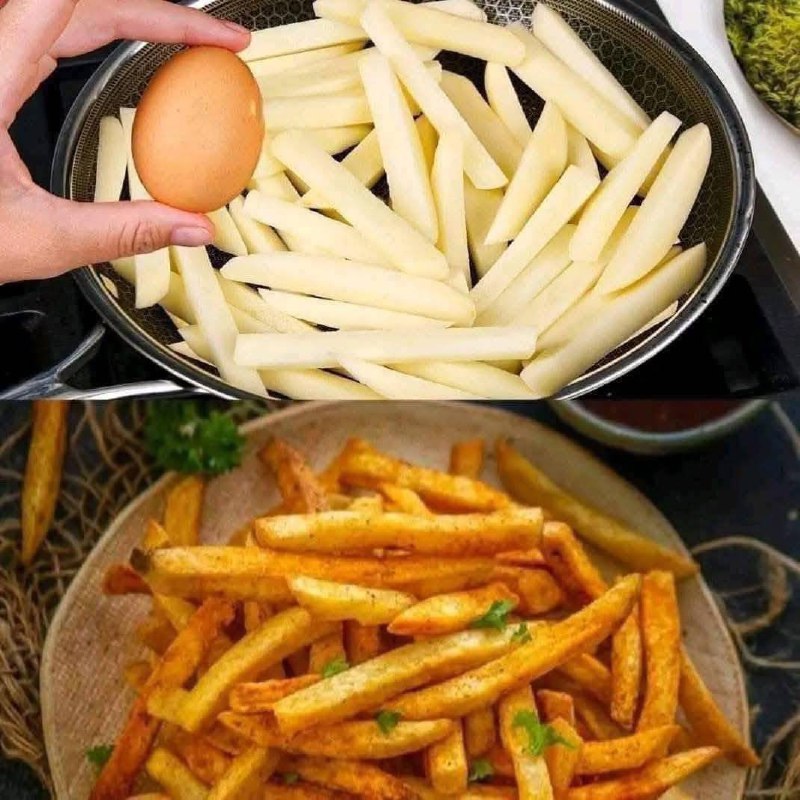
Tired of soggy, lackluster fries that disappoint with every bite? Prepare to embark on a culinary journey that will forever change your perception of the humble French fry. We’re about to unveil a game-changing technique that transforms ordinary potatoes into extraordinary, golden-brown masterpieces: Crispy Egg-Coated French Fries. This isn’t just another fry recipe; it’s a revelation, a secret weapon in your quest for ultimate crispness and unparalleled flavor.
The magic lies in a simple yet incredibly effective egg coating. This ingenious step creates a delicate, almost imperceptible shell around each potato stick, locking in moisture while ensuring an unbelievably crunchy exterior. Imagine biting into a fry that shatters with a satisfying crunch, revealing a perfectly fluffy, tender interior. That’s the promise of these egg-coated wonders. They’re not just crispy; they’re explosively crispy, with a rich, savory depth that elevates them far beyond their traditional counterparts. Whether you’re looking for the ultimate side dish to complement a juicy burger or a dangerously addictive snack to satisfy your cravings, these fries are guaranteed to impress.
Forget everything you thought you knew about homemade fries. This method delivers a superior crispness that lasts, making them ideal for entertaining or simply treating yourself to a gourmet experience at home. The golden-brown hue, the irresistible aroma, and the incredible texture will have everyone reaching for more. Get ready to discover your new favorite way to enjoy French fries, a culinary triumph that’s surprisingly easy to achieve with just a few simple ingredients and a clever twist.
Nutritional Information
Per serving (approximate values):
- Calories: 350
- Protein: 7g
- Carbohydrates: 40g
- Fat: 18g
- Fiber: 4g
- Sodium: 250mg
Ingredients
- 4 large Russet potatoes (about 2-2.5 pounds)
- 2 large eggs
- 1 teaspoon salt, plus more for seasoning
- 1/2 teaspoon black pepper
- 1/4 teaspoon garlic powder (optional)
- 4-6 cups neutral cooking oil, such as canola, vegetable, or peanut oil (for deep frying)
- Fresh parsley or cilantro, finely chopped (for garnish, optional)
- Ketchup, mayonnaise, or your favorite dipping sauce (for serving)
Instructions
- Prepare the Potatoes: Wash the potatoes thoroughly. Peel them if desired, or leave the skin on for a more rustic fry. Cut each potato lengthwise into uniform 1/4 to 1/2-inch thick slices, then cut each slice into 1/4 to 1/2-inch thick sticks. Aim for consistent size to ensure even cooking.
- Soak the Potatoes: Place the cut potato sticks in a large bowl and cover them completely with cold water. Let them soak for at least 30 minutes, or up to 2 hours, to remove excess starch. This step is crucial for achieving extra crispness.
- Drain and Dry: After soaking, drain the potatoes thoroughly. Spread them out in a single layer on a clean kitchen towel or several layers of paper towels. Pat them completely dry. Any residual moisture will cause the oil to splatter and can lead to soggy fries.
- Prepare the Egg Wash: In a medium bowl, whisk the two large eggs with 1 teaspoon of salt, 1/2 teaspoon of black pepper, and the optional 1/4 teaspoon of garlic powder until well combined and slightly frothy.
- Coat the Potatoes: Add the thoroughly dried potato sticks to the egg wash. Toss gently with your hands or a spatula until every fry is evenly coated. Ensure there are no dry spots.
- Heat the Oil: Pour the cooking oil into a large, heavy-bottomed pot or a deep fryer. Heat the oil over medium-high heat to 325°F (160°C). Use a kitchen thermometer to monitor the temperature accurately.
- First Fry (Cooking): Carefully add a single layer of egg-coated fries to the hot oil, ensuring not to overcrowd the pot. Overcrowding will lower the oil temperature and result in greasy, soggy fries. Fry for 5-7 minutes, stirring occasionally, until the fries are cooked through and slightly softened, but not yet golden brown. They should be pale yellow.
- Drain After First Fry: Using a slotted spoon or spider, remove the fries from the oil and transfer them to a wire rack set over a baking sheet lined with paper towels. Allow them to drain and cool for at least 10-15 minutes. This cooling period is essential for the double-frying technique. At this stage, you can also refrigerate them for up to a few hours if you want to fry them later.
- Increase Oil Temperature for Second Fry: While the fries are cooling, increase the oil temperature to 375°F (190°C).
- Second Fry (Crisping and Browning): Once the oil reaches the correct temperature, carefully return the partially cooked fries to the hot oil in small batches. Fry for another 3-5 minutes, stirring frequently, until they are beautifully golden brown and incredibly crispy.
- Drain and Season: Immediately remove the golden-brown fries from the oil and transfer them back to the wire rack set over paper towels to drain any excess oil. While still hot, generously sprinkle them with additional salt to taste.
- Garnish and Serve: If using, sprinkle with fresh chopped parsley or cilantro. Serve immediately with your favorite dipping sauces like ketchup, mayonnaise, or a creamy aioli.
Cooking Tips and Variations
For the ultimate crispy egg-coated fries, the choice of potato is paramount. Opt for high-starch varieties like Russet or Idaho potatoes, as their lower moisture content and fluffy texture after cooking are ideal for frying. Avoid waxy potatoes like Yukon Golds, which tend to become dense and less crispy. Uniformity in cutting is another critical factor; aim for consistent 1/4 to 1/2-inch thick sticks to ensure every fry cooks evenly. Inconsistent sizes will lead to some fries being undercooked while others burn.
The soaking step is non-negotiable for superior crispness. Soaking the cut potatoes in cold water helps to remove excess surface starch, which can otherwise lead to a gummy texture and prevent that coveted crunch. After soaking, drying the potatoes thoroughly is equally important. Any water left on the potatoes will cause the hot oil to splatter dangerously and can also steam the fries, making them soggy instead of crispy. Use a clean kitchen towel or a salad spinner for best results.
When preparing the egg wash, ensure it’s well whisked. You can enhance the flavor profile of your egg-coated fries by incorporating various seasonings directly into the egg wash. Beyond salt, pepper, and garlic powder, consider adding a pinch of smoked paprika for a smoky depth, a dash of onion powder, or even a touch of cayenne pepper for a subtle kick. For an herbaceous touch, finely chopped fresh rosemary or thyme can be mixed into the egg wash, infusing the fries with aromatic notes.
The double-frying technique is the secret to truly crispy fries that stay crispy. The first fry (at a lower temperature, around 325°F/160°C) cooks the potato through, softening the interior and creating a slight crust. The second fry (at a higher temperature, 375°F/190°C) is where the magic happens – it evaporates any remaining moisture, puffs up the exterior, and creates that beautiful golden-brown, shattering crispness. Always use a reliable kitchen thermometer to maintain accurate oil temperatures; too low, and your fries will be greasy; too high, and they’ll burn on the outside before cooking through.
Never overcrowd your frying vessel. Frying in small batches is crucial. Dropping too many fries into the oil at once drastically lowers the oil temperature, leading to greasy, limp fries. Give them space to move and cook evenly. Between batches, allow the oil to return to the target temperature before adding more fries. Immediately after the second fry, transfer the fries to a wire rack (not directly onto paper towels, which can trap steam and make them soggy) and season generously with salt while they are still hot. The heat helps the salt adhere and penetrate the surface, enhancing the flavor.
For flavor variations beyond the egg wash, you can experiment with post-frying seasonings. A sprinkle of truffle salt, a dusting of grated Parmesan cheese and garlic powder, or a spicy blend of chili powder and cumin can elevate the fries to a gourmet level. For a sweet and savory twist, a light sprinkle of cinnamon sugar after frying can be surprisingly delicious. Consider making homemade dipping sauces to complement the richness of the fries, such as a spicy Sriracha mayo, a tangy garlic aioli, or a herb-infused yogurt dip.
Storage and Reheating
Crispy Egg-Coated French Fries are best enjoyed immediately after frying for maximum crispness and flavor. However, if you have leftovers, proper storage and reheating can help preserve some of their deliciousness. Allow the fries to cool completely to room temperature before storing. Placing hot fries directly into a sealed container will create condensation, making them soggy. Once cool, transfer the fries to an airtight container or a resealable bag. They can be stored in the refrigerator for up to 3-4 days.
Reheating fries to their original crispness can be a challenge, but it’s certainly achievable with the right method. Avoid the microwave at all costs, as it will only make them rubbery and soggy. The best way to reheat these egg-coated fries is in an oven or an air fryer. Preheat your oven to 400°F (200°C). Spread the leftover fries in a single layer on a baking sheet. Bake for 5-10 minutes, flipping them halfway through, until they are heated through and have regained some of their crispness. Keep a close eye on them to prevent burning.
If you have an air fryer, this is an excellent option for reheating. Preheat the air fryer to 375°F (190°C). Place the fries in a single layer in the air fryer basket, ensuring not to overcrowd. Air fry for 3-6 minutes, shaking the basket once or twice, until they are hot and crispy. The exact timing will depend on your air fryer model and the quantity of fries. Regardless of the method, always check for crispness and adjust reheating time as needed. While they may not be quite as perfect as fresh from the fryer, these reheating methods will ensure your egg-coated fries are still a delightful treat.
Frequently Asked Questions
What kind of potatoes are best for these fries?
For the crispiest and fluffiest results, Russet or Idaho potatoes are highly recommended. Their high starch content and low moisture make them ideal for frying. Avoid waxy potatoes, as they tend to become dense and less crispy.
Can I skip the soaking step?
While you can technically skip the soaking step, it’s strongly advised against if you want truly crispy fries. Soaking helps remove excess surface starch, which can lead to soggy fries and prevent them from achieving that desired golden-brown crispness. It makes a significant difference in the final texture.
Why do I need to double-fry the potatoes?
Double-frying is the secret to achieving superior crispness that lasts. The first fry (at a lower temperature) cooks the potato through and creates an initial crust. The second fry (at a higher temperature) then crisps up the exterior, evaporates any remaining moisture, and gives the fries their beautiful golden color and signature crunch. This two-stage process ensures a perfectly cooked interior and an incredibly crispy exterior.
Can I make these fries in an air fryer instead of deep frying?
While deep frying will yield the best and most authentic results for these egg-coated fries, you can adapt the recipe for an air fryer. After coating the fries in the egg wash, lightly spray or toss them with a small amount of oil before air frying. Air fry in batches at 375°F (190°C) for 15-25 minutes, shaking the basket frequently, until golden brown and crispy. The texture will be slightly different from deep-fried, but still delicious and a healthier alternative.