Introduction
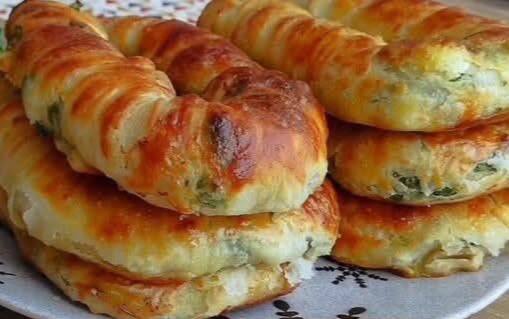
Imagine waking up to the aroma of freshly baked bread, golden and glistening, with a tantalizing hint of melted cheese. Or perhaps you’re hosting friends, and you need a show-stopping appetizer that’s both comforting and impressive. Look no further than these incredible Stuffed Cheese Bread Rolls! These aren’t just any rolls; they’re a delightful package of soft, fluffy yeast dough embracing a savory, gooey cheese filling, often brightened with fresh herbs. Each bite offers a perfect balance of tender bread and rich, flavorful cheese, making them utterly irresistible for any time of day.
What makes these Stuffed Cheese Bread Rolls so special is their incredible versatility and universal appeal. Whether served warm alongside your morning coffee, as a satisfying snack, a delicious addition to a brunch spread, or a crowd-pleasing appetizer at a party, they always hit the spot. The process of making them is surprisingly rewarding, transforming simple ingredients into something truly spectacular. Plus, the joy of pulling apart a warm roll and seeing the melted cheese within is an experience that brings smiles to faces young and old.
This recipe will guide you through creating these golden-brown beauties from scratch, ensuring a soft, pliable dough and a perfectly seasoned, cheesy interior. We’ll cover everything from activating the yeast to shaping the rolls into their appealing forms, culminating in a bake that yields a glossy, slightly crisp crust and a wonderfully airy crumb. Get ready to impress your taste buds and everyone around your table with these comforting, satisfying, and utterly delicious Stuffed Cheese Bread Rolls – a true testament to the simple pleasures of homemade bread.
Nutritional Information
Per serving (approximate values):
- Calories: 280
- Protein: 10g
- Carbohydrates: 35g
- Fat: 11g
- Fiber: 2g
- Sodium: 350mg
Ingredients
For the Dough:
- 1 cup (240ml) warm milk (105-115°F / 40-46°C)
- 2 ¼ teaspoons (1 standard packet) active dry yeast
- 2 tablespoons granulated sugar
- 1 teaspoon salt
- 1 large egg, at room temperature
- 4 tablespoons (½ stick) unsalted butter, melted and cooled, plus extra for greasing
- 3 ½ to 4 cups (420-480g) all-purpose flour, plus more for dusting
For the Cheese Filling:
- 1 ½ cups (170g) shredded mozzarella cheese
- ½ cup (50g) crumbled feta cheese
- ¼ cup (60g) cream cheese, softened
- 2 tablespoons fresh parsley, finely chopped
- 1 tablespoon fresh dill, finely chopped (optional, but recommended)
- ½ teaspoon garlic powder
- ¼ teaspoon black pepper
For the Egg Wash:
- 1 large egg
- 1 tablespoon milk or water
Instructions
- Activate the Yeast: In a large mixing bowl or the bowl of a stand mixer, combine the warm milk, granulated sugar, and active dry yeast. Stir gently and let it sit for 5-10 minutes, until the mixture becomes foamy. This indicates the yeast is active.
- Combine Wet Ingredients: To the yeast mixture, add the salt, room temperature egg, and melted butter. Whisk briefly to combine all the wet ingredients thoroughly.
- Add Flour: Gradually add 3 cups of the all-purpose flour to the wet ingredients, mixing with a wooden spoon or a dough hook on low speed until a shaggy dough forms.
- Knead the Dough: Turn the dough out onto a lightly floured surface (if kneading by hand) or continue with the dough hook. Gradually add the remaining ½ to 1 cup of flour, a little at a time, until the dough is soft, elastic, and no longer sticky. Knead for 8-10 minutes by hand, or 5-7 minutes with a stand mixer on medium-low speed. The dough should spring back when gently poked.
- First Rise (Bulk Fermentation): Lightly grease a clean large bowl with butter or oil. Place the kneaded dough in the bowl, turning it once to coat. Cover the bowl with plastic wrap or a clean kitchen towel and let it rise in a warm, draft-free place for 1 to 1.5 hours, or until doubled in size.
- Prepare the Filling: While the dough is rising, prepare the cheese filling. In a medium bowl, combine the shredded mozzarella cheese, crumbled feta cheese, softened cream cheese, finely chopped fresh parsley, finely chopped fresh dill (if using), garlic powder, and black pepper. Mix well until all ingredients are evenly distributed.
- Punch Down and Divide Dough: Once the dough has doubled, gently punch it down to release the air. Turn the dough out onto a lightly floured surface. Divide the dough into 12 equal pieces. You can weigh them for accuracy, aiming for approximately 65-70g per piece.
- Shape the Rolls: Take one piece of dough and flatten it into a circle or oval, about 4-5 inches in diameter. Place about 1 to 1.5 tablespoons of the cheese filling in the center of the dough.
- Seal and Shape: Carefully bring the edges of the dough over the filling and pinch them together tightly to seal, forming a ball or a crescent shape. Ensure the filling is completely enclosed to prevent it from oozing out during baking. Alternatively, you can roll the dough into a rectangular strip, spread the filling, and then roll it up like a cinnamon roll, gently twisting the ends if desired. Place the shaped rolls seam-side down on a baking sheet lined with parchment paper, leaving about 2 inches between each roll.
- Second Rise (Proofing): Cover the baking sheet loosely with plastic wrap or a clean kitchen towel. Let the rolls rise again in a warm, draft-free place for 30-45 minutes, or until they look visibly puffy and almost doubled in size.
- Preheat Oven and Prepare Egg Wash: While the rolls are proofing, preheat your oven to 375°F (190°C). In a small bowl, whisk together the egg and milk (or water) for the egg wash.
- Brush and Bake: Gently brush the tops of the proofed rolls with the egg wash. This will give them a beautiful golden-brown and shiny crust.
- Bake the Rolls: Bake for 18-22 minutes, or until the rolls are golden brown on top and cooked through. The internal temperature should reach 200-210°F (93-99°C).
- Cool and Serve: Once baked, remove the rolls from the oven and transfer them to a wire rack to cool slightly. Serve warm, as they are best enjoyed when the cheese is still gooey and melted.
Cooking Tips and Variations
Achieving the perfect Stuffed Cheese Bread Rolls relies on a few key techniques and allows for wonderful customization. For the dough, ensure your milk is at the correct temperature (105-115°F) to activate the yeast without killing it. If your kitchen is cold, you can create a warm environment for rising by placing the bowl in an oven that has been turned off but was briefly warmed (e.g., preheated to its lowest setting for 5 minutes and then turned off). Don’t rush the rising process; a slow, steady rise results in a more flavorful and tender dough. When kneading, aim for a dough that is soft and slightly tacky, but not sticky. Over-flouring will result in dry, dense rolls, while too little flour will make the dough difficult to handle.
When it comes to the filling, the possibilities are endless! While mozzarella and feta provide a great balance of meltiness and tang, feel free to experiment. You could use all cheddar for a sharper flavor, provolone for a mild, creamy melt, or even a blend of Gruyère and Parmesan for a more sophisticated taste. For savory additions, consider finely diced ham or cooked bacon bits, sautéed spinach (ensure it’s well drained to avoid excess moisture), sun-dried tomatoes (chopped), or finely minced onions or chives. A pinch of red pepper flakes can add a subtle kick. If you’re feeling adventurous, you could even make sweet versions by filling them with cream cheese and fruit preserves, or cinnamon sugar and cream cheese, though this recipe focuses on the savory aspect.
Shaping the rolls can also be varied. Besides the simple ball or crescent, you can roll the dough into a rectangle, spread the filling, roll it up jelly-roll style, and then slice it into individual “swirl” rolls. Alternatively, after filling and sealing, you can gently twist the ends to create a more rustic, braided appearance as seen in some images. Ensure the edges are well-sealed, no matter the shape, to prevent the cheese from escaping during baking. If you notice cheese starting to ooze, it’s usually because the seal wasn’t tight enough or the dough was too thin in that spot. Don’t be afraid to practice; shaping gets easier with experience. For extra flavor and texture on top, sprinkle sesame seeds, poppy seeds, or a touch of everything bagel seasoning on the egg-washed rolls before baking.
Storage and Reheating
These Stuffed Cheese Bread Rolls are undoubtedly best enjoyed fresh and warm from the oven, when the cheese is gooey and the bread is at its softest. However, if you find yourself with leftovers, proper storage can help maintain their deliciousness for a short period.
To store, allow the rolls to cool completely to room temperature. Once cooled, place them in an airtight container or a resealable plastic bag. They can be stored at room temperature for up to 2 days. For longer storage, you can refrigerate them for up to 4-5 days. Beyond that, freezing is an excellent option. To freeze, arrange the cooled rolls in a single layer on a baking sheet and flash freeze for about 1-2 hours until solid. Then, transfer the frozen rolls to a freezer-safe bag or container, removing as much air as possible. They can be stored in the freezer for up to 2-3 months.
Reheating is key to bringing back their soft texture and melted cheese. If stored at room temperature or refrigerated, you can reheat the rolls in a preheated oven or microwave. For the oven, preheat to 300-325°F (150-160°C). Place the rolls directly on the oven rack or on a baking sheet and bake for 5-10 minutes, or until warmed through and the cheese is soft again. If using a microwave, heat individual rolls for 15-30 seconds, checking periodically to ensure they don’t become tough. If reheating from frozen, it’s best to use the oven. Preheat to 325-350°F (160-175°C) and bake the frozen rolls for 15-25 minutes, or until completely heated through and golden. Covering them loosely with foil for part of the baking time can help prevent the crust from browning too much before the inside is warmed. A toaster oven also works wonderfully for reheating individual rolls, giving them a slightly crisp exterior.
Frequently Asked Questions
What kind of cheese is best for stuffing bread rolls?
A combination of cheeses often works best for both flavor and texture. Mozzarella is excellent for its meltiness and mild taste. Feta or cream cheese adds a tangy, creamy element. Other great options include cheddar for sharpness, provolone for mild creaminess, or even a blend of Monterey Jack and Colby. The key is to use at least one good melting cheese for that satisfying gooey center.
Can I make the dough for these cheese bread rolls in advance?
Yes, absolutely! You can prepare the dough and let it complete its first rise. After the first rise, punch it down, cover it tightly with plastic wrap, and refrigerate it for up to 24 hours. When you’re ready to bake, take the dough out of the refrigerator, let it come to room temperature for about 30-60 minutes, then proceed with shaping, a second rise, and baking as per the instructions.
Why are my bread rolls dry and dense?
There are a few common reasons for dry and dense bread rolls. Over-flouring the dough during kneading is a primary culprit; always aim for a soft, slightly tacky dough. Another reason could be insufficient kneading, which doesn’t allow enough gluten development for a light texture. Finally, over-baking can also dry out the rolls, so keep a close eye on them towards the end of the baking time and remove them as soon as they are golden brown and cooked through.
Can I use instant yeast instead of active dry yeast?
Yes, you can typically substitute instant yeast for active dry yeast. If using instant yeast, you can usually mix it directly with the dry ingredients without needing to proof it in warm milk first. However, for this recipe, it’s generally safe to follow the same procedure as active dry yeast by dissolving it in warm milk; it just might activate a little faster. The amount used is generally the same (2 ¼ teaspoons per recipe).