Introduction
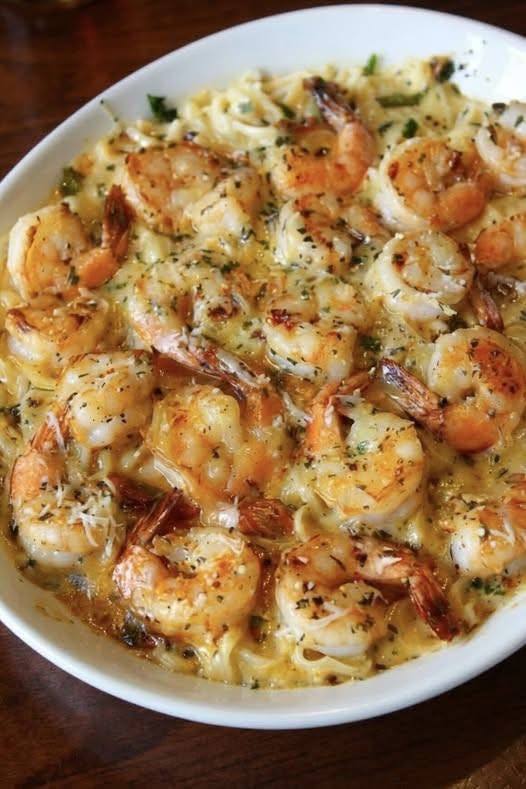
Prepare to be swept away by a dish that embodies comfort, elegance, and incredible flavor in every single bite: Creamy Garlic Butter Shrimp Fettuccine. This isn’t just a meal; it’s an experience, transforming your kitchen into a gourmet haven with minimal effort. Imagine succulent, perfectly cooked shrimp nestled amongst broad, tender fettuccine noodles, all generously coated in a rich, velvety sauce infused with the intoxicating aroma of garlic and the luxuriousness of butter. It’s the kind of dish that warms your soul on a chilly evening, impresses guests at a dinner party, and still manages to be quick enough for a weeknight indulgence.
What truly sets this recipe apart is the harmonious blend of textures and tastes. The plump, juicy shrimp, kissed with a golden sear, provide a delightful counterpoint to the silky, clingy sauce. That sauce, a masterpiece of heavy cream, fragrant garlic, and savory Parmesan, adheres beautifully to every strand of fettuccine, ensuring a burst of flavor with each forkful. It’s a testament to how simple, high-quality ingredients can come together to create something truly extraordinary, delivering a restaurant-quality meal right in the comfort of your own home.
You’ll adore this recipe for its sheer deliciousness and surprising ease. It strikes that perfect balance between indulgence and practicality, proving that you don’t need hours in the kitchen to create a memorable meal. Whether you’re a seasoned chef or a beginner cook, the straightforward steps ensure a successful outcome, leaving you with a dish that’s both visually appealing and incredibly satisfying. Get ready to dive into the creamy, garlicky, buttery goodness that is our Creamy Garlic Butter Shrimp Fettuccine – your new favorite pasta dish awaits!
Nutritional Information
Per serving (approximate values):
- Calories: 720
- Protein: 40g
- Carbohydrates: 65g
- Fat: 35g
- Fiber: 3g
- Sodium: 850mg
Ingredients
- 1 pound fettuccine pasta
- 1.5 pounds large shrimp, peeled and deveined, tails on or off
- 4 tablespoons unsalted butter, divided
- 4-5 cloves garlic, minced
- 1/2 cup dry white wine or chicken broth
- 1.5 cups heavy cream
- 1 cup freshly grated Parmesan cheese, plus more for serving
- 1/4 cup fresh parsley, chopped, plus more for garnish
- 1 tablespoon olive oil
- 1/2 teaspoon red pepper flakes (optional, for a hint of heat)
- Juice of 1/2 lemon (optional)
- Salt and freshly ground black pepper to taste
Instructions
- Bring a large pot of salted water to a rolling boil. Add the fettuccine and cook according to package directions until al dente. Before draining, reserve about 1 cup of pasta water. Drain the pasta and set aside.
- While the pasta is cooking, pat the shrimp dry with paper towels. Season the shrimp with salt, black pepper, and optional red pepper flakes.
- Heat 1 tablespoon of olive oil and 1 tablespoon of butter in a large skillet or Dutch oven over medium-high heat. Once the butter is melted and shimmering, add the seasoned shrimp in a single layer, being careful not to overcrowd the pan. Cook for 1-2 minutes per side, or until the shrimp are pink and opaque. Remove the cooked shrimp from the skillet and set aside on a plate.
- Reduce the heat to medium. Add the remaining 3 tablespoons of butter to the same skillet. Once melted, add the minced garlic and sauté for 1 minute until fragrant, being careful not to burn it.
- Pour in the white wine or chicken broth, scraping up any browned bits from the bottom of the pan with a wooden spoon. Let it simmer for 2-3 minutes, allowing the alcohol to cook off and the liquid to reduce slightly.
- Stir in the heavy cream and bring the sauce to a gentle simmer. Cook for 3-5 minutes, stirring occasionally, until the sauce begins to thicken slightly.
- Remove the skillet from the heat. Gradually stir in the grated Parmesan cheese until it is fully melted and the sauce is smooth and creamy. If adding, stir in the lemon juice now.
- Add the cooked fettuccine to the skillet with the sauce. Toss well to coat every strand of pasta evenly. If the sauce seems too thick, add a splash or two of the reserved pasta water until it reaches your desired consistency.
- Gently fold in the cooked shrimp and the chopped fresh parsley. Toss once more to combine everything thoroughly.
- Taste and adjust seasoning with additional salt and black pepper as needed.
- Serve immediately, garnished with extra fresh parsley and a sprinkle of Parmesan cheese.
Cooking Tips and Variations
Achieving the perfect Creamy Garlic Butter Shrimp Fettuccine relies on a few key techniques and considerations. Firstly, always cook your pasta al dente. This means it should still have a slight bite to it, as it will continue to cook slightly when tossed with the hot sauce. Overcooked, mushy pasta can ruin the dish’s texture. Secondly, the quality of your shrimp matters. Opt for large, fresh, or good-quality frozen shrimp. Patting them dry before cooking is crucial for getting a nice sear and preventing them from steaming. Don’t overcrowd the pan when cooking shrimp; cook them in batches if necessary to ensure they brown beautifully rather than just steaming. The browning adds a fantastic depth of flavor. A common pitfall is overcooking the shrimp, which makes them tough and rubbery. Shrimp cook very quickly, usually within 1-2 minutes per side until they turn opaque pink. Remove them from the heat as soon as they’re done.
For the sauce, fresh garlic is non-negotiable. Pre-minced garlic in a jar often lacks the pungent, vibrant flavor of freshly minced cloves. Sauté the garlic just until fragrant, usually about a minute, to avoid bitterness. If you’re using white wine, a dry variety like Pinot Grigio or Sauvignon Blanc works best, adding a subtle acidity that brightens the rich sauce. If you prefer not to use wine, chicken broth is an excellent substitute. The reserved pasta water is your secret weapon for sauce consistency. It contains starch from the pasta, which helps emulsify the sauce and allows you to thin it out without diluting the flavor. Always grate your own Parmesan cheese from a block. Pre-shredded cheeses often contain anti-caking agents that can make the sauce grainy and prevent it from melting smoothly. Freshly grated Parmesan melts into a silky, cohesive sauce.
To elevate the dish further, consider a squeeze of fresh lemon juice at the end. It cuts through the richness of the cream and butter, adding a bright, fresh finish. Don’t forget to adjust your seasonings throughout the cooking process. Taste the shrimp after cooking, taste the sauce before adding the pasta, and taste the final dish to ensure it’s perfectly balanced. A pinch of red pepper flakes can introduce a subtle warmth and complexity without making the dish overtly spicy. For visual appeal and a burst of freshness, a generous sprinkle of freshly chopped parsley is essential as a garnish.
The beauty of this recipe also lies in its versatility. You can easily adapt it to your preferences or what you have on hand. For a boost of vegetables, consider adding a handful of fresh spinach, which will wilt beautifully into the hot pasta and sauce, or some halved cherry tomatoes for a pop of color and acidity. Sautéed mushrooms would also be a delicious addition. If you’re not a fan of shrimp, cooked chicken breast, scallops, or even crab meat would work wonderfully. For those who enjoy a bit more heat, increase the amount of red pepper flakes. Different fresh herbs like chives or basil could also be experimented with for varied flavor profiles. This recipe provides a fantastic foundation for culinary creativity.
Storage and Reheating
Creamy Garlic Butter Shrimp Fettuccine is best enjoyed fresh, as the pasta can absorb a lot of the sauce and the shrimp can become a bit tougher upon reheating. However, if you have leftovers, they can be stored safely in an airtight container in the refrigerator for up to 2-3 days. For optimal freshness and to prevent the pasta from drying out, ensure the container is sealed well.
When reheating, avoid the microwave if possible, as it can overcook the shrimp and make the sauce oily or clumpy. The best method for reheating is on the stovetop. Transfer the leftovers to a skillet or saucepan over low to medium-low heat. Add a splash of milk, cream, or chicken broth (about 1-2 tablespoons per serving) to help rehydrate the sauce and bring it back to a creamy consistency. Stir gently and heat slowly until the dish is warmed through. Be careful not to overheat, as this can cause the sauce to break and the shrimp to become rubbery. If the sauce still seems too thick, you can add a tiny bit more liquid until it reaches your desired consistency. Taste and adjust seasonings if necessary before serving.
Frequently Asked Questions
What kind of shrimp should I use for this recipe?
For the best results, use large or jumbo shrimp (21/25 count or larger), either fresh or frozen. If using frozen, make sure they are fully thawed and patted dry before cooking. You can choose shrimp with tails on for a more elegant presentation, or tails off for easier eating.
Can I make this dish ahead of time?
While this dish is best served immediately after preparation, you can do some prep work in advance. You can peel and devein the shrimp, mince the garlic, and grate the Parmesan cheese a day ahead of time. The sauce itself is quick to come together, so it’s best to assemble and cook the dish just before serving for the freshest taste and texture.
My sauce is too thin/thick. How can I fix it?
If your sauce is too thin, continue to simmer it gently over low heat, stirring occasionally, until it reduces and thickens to your desired consistency. Be patient, as this can take a few minutes. If it’s too thick, gradually add some of the reserved pasta water (or a splash of milk/cream) a tablespoon at a time, stirring until you reach the perfect creamy texture. The starch in the pasta water helps to emulsify the sauce.
Can I substitute other types of pasta?
Yes, while fettuccine is traditional and excellent for clinging to the rich sauce, you can certainly use other long, flat pasta shapes like linguine or tagliatelle. Even short pasta shapes like penne or rigatoni would work in a pinch, though they might not hold the sauce quite as elegantly as fettuccine.