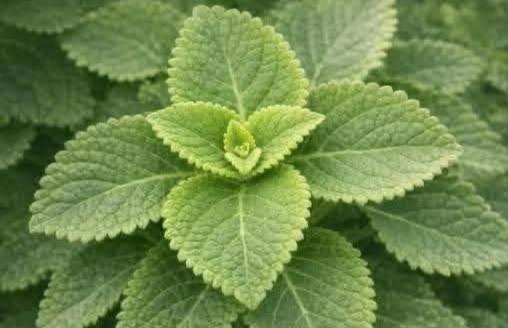
A Scientific Look At Oregano’s Role In Supporting Wellness
Oregano, a fragrant herb synonymous with Mediterranean cuisine, has long been cherished for its pungent flavor and aromatic charm. From enhancing a simple pasta sauce to elevating complex meat dishes, its culinary versatility is undeniable. However, beyond its role as a kitchen staple, a growing body of scientific inquiry is shedding light on oregano’s profound potential to support overall wellness, sparking increased interest among health enthusiasts and researchers alike.
This article delves into the fascinating world of oregano, moving beyond anecdotal evidence to explore the scientific basis behind its purported health benefits. We will uncover the powerful compounds responsible for its therapeutic properties, examine cutting-edge research, and provide practical, evidence-based ways to incorporate this remarkable herb into your daily routine. Prepare to discover how this humble herb can become a powerful ally in your pursuit of a healthier lifestyle.
Oregano Varieties and Quality Factors
While often treated as a singular herb, oregano encompasses several distinct varieties, each with its unique flavor profile and concentration of beneficial compounds. The most commonly recognized is Greek oregano (Origanum vulgare hirtum), celebrated for its robust, peppery, and slightly bitter notes, largely due to its high carvacrol content. Mexican oregano (Lippia graveolens), though botanically distinct, offers a more earthy, citrusy, and sometimes licorice-like flavor. Other varieties include Italian oregano, typically a hybrid of marjoram and common oregano, and wild marjoram (Origanum vulgare), which is milder in taste.
The potency and effectiveness of oregano are significantly influenced by several factors. Growing conditions, such as climate, soil composition, and sunlight exposure, play a crucial role in the development of its active compounds. Harvesting at the optimal time, typically when the plants are in bloom, ensures maximum concentration of essential oils. Furthermore, the drying process is critical; proper air-drying preserves volatile compounds, whereas rapid or high-heat drying can diminish its aromatic and medicinal qualities. When choosing oregano products, understanding these nuances can help you select the highest quality options for both culinary enjoyment and wellness support.
Key Compounds and Scientific Research
The remarkable health benefits attributed to oregano stem from a rich symphony of bioactive compounds. Among the most prominent are carvacrol and thymol, phenolic compounds responsible for oregano’s distinctive aroma and much of its therapeutic power. Rosmarinic acid, another potent antioxidant, also contributes significantly to its wellness profile. Other notable compounds include terpenes like p-cymene and gamma-terpinene, as well as various flavonoids.
Extensive scientific research has explored the multifaceted actions of these compounds:
- Antioxidant Properties: Oregano is a powerhouse of antioxidants, which combat oxidative stress caused by free radicals in the body. Studies have shown that its polyphenols, particularly rosmarinic acid, exhibit significant free radical scavenging activity, protecting cells from damage and potentially reducing the risk of chronic diseases.
- Antimicrobial Activity: Carvacrol and thymol are particularly renowned for their potent antimicrobial effects. Research indicates their ability to inhibit the growth of various bacteria, including common foodborne pathogens like E. coli and Salmonella, as well as certain fungi and yeasts. This makes oregano a subject of interest in natural food preservation and combating microbial infections.
- Anti-inflammatory Effects: Chronic inflammation is a root cause of many modern diseases. Oregano compounds have demonstrated anti-inflammatory properties by modulating inflammatory pathways in the body. Studies suggest that carvacrol can suppress inflammatory mediators, offering potential relief for inflammatory conditions.
- Potential Anti-Cancer Properties: Emerging research, primarily in in vitro and animal studies, suggests that oregano compounds may possess anti-cancer properties. Carvacrol, in particular, has been shown to induce apoptosis (programmed cell death) in various cancer cell lines and inhibit tumor growth. While promising, more human clinical trials are needed to fully understand this potential.
These findings underscore oregano’s potential as a valuable natural agent in supporting health and preventing disease, though it’s crucial to remember that much of this research is still in its early stages.
Practical Ways to Incorporate Oregano for Wellness
Integrating oregano into your daily routine for wellness is both delicious and accessible. Here are several practical methods, keeping in mind the importance of quality:
- Culinary Use: The simplest way is to use fresh or dried oregano in your cooking. Sprinkle it generously over salads, pizzas, pasta dishes, roasted vegetables, and grilled meats. Its robust flavor not only enhances your meals but also delivers a dose of its beneficial compounds.
- Oregano Tea: A comforting and healthful way to consume oregano. Steep 1-2 teaspoons of dried oregano leaves in a cup of hot water for 5-10 minutes. Strain and enjoy. You can add a squeeze of lemon or a touch of honey for flavor. This is particularly soothing for respiratory discomfort.
- Oregano-Infused Oil: Create your own infused olive oil for dressings or cooking. Gently warm a cup of good quality olive oil with a few sprigs of fresh oregano (or 1-2 tablespoons dried). Let it infuse for an hour, then cool and strain. Store in a dark, cool place.
- Oregano Essential Oil (Oil of Oregano): This is a highly concentrated form and should be used with extreme caution. It is typically diluted in a carrier oil (like olive or coconut oil) before topical application or internal use. Always follow dosage recommendations from a healthcare professional or reputable manufacturer. Due to its potency, it’s not recommended for prolonged internal use without professional guidance.
- Oregano Supplements: Available in capsule form, these provide a standardized dose of oregano extract. Look for reputable brands that specify the concentration of active compounds like carvacrol.
When selecting oregano products, prioritize quality. For dried herbs, choose organic options from reputable spice merchants. For oregano oil or supplements, opt for brands that provide third-party testing for purity and potency, and clearly state the carvacrol content. The fresher and less processed the oregano, the higher its nutrient and compound integrity.
Precautions and Considerations
While oregano offers numerous potential health benefits, it’s important to approach its therapeutic use with awareness and caution. As with any potent herb, there are potential side effects and interactions to consider.
- Allergic Reactions: Individuals allergic to other members of the Lamiaceae family (such as mint, thyme, basil, or sage) may experience allergic reactions to oregano. Symptoms can include skin rashes, hives, or digestive upset.
- Digestive Issues: High doses of oregano, particularly concentrated oregano oil, can cause digestive discomfort such as stomach upset, nausea, or diarrhea in some individuals.
- Blood Thinning: Oregano may have mild blood-thinning properties. Individuals taking anticoagulant medications (blood thinners) like warfarin should exercise caution and consult their doctor before using oregano supplements or consuming large amounts, as it could increase the risk of bleeding.
- Blood Sugar Levels: Some research suggests oregano might affect blood sugar levels. Diabetics or individuals on blood sugar-lowering medications should monitor their glucose levels closely if incorporating significant amounts of oregano into their diet or using supplements.
- Pregnancy and Breastfeeding: Due to a lack of sufficient research on its safety in these populations, pregnant and breastfeeding women are generally advised to avoid medicinal doses of oregano or oregano oil. Culinary amounts are typically considered safe.
- Drug Interactions: Beyond blood thinners and diabetes medications, oregano could potentially interact with other drugs. Always inform your healthcare provider about all herbs and supplements you are taking, especially if you are on prescription medication.
It is crucial to understand that concentrated oregano oil is significantly more potent than the culinary herb. Always dilute oregano essential oil properly and never consume it undiluted. Before using oregano for specific medicinal purposes, especially in supplement form or as essential oil, it is highly recommended to consult with a healthcare professional. They can provide personalized advice based on your health status, existing conditions, and other medications you may be taking, ensuring safe and effective use.
Conclusion
In conclusion, oregano is far more than just a flavorful addition to our favorite dishes; it is a scientifically validated powerhouse of wellness. Current research highlights its impressive array of active compounds, particularly carvacrol, thymol, and rosmarinic acid, which collectively contribute to its potent antioxidant, antimicrobial, and anti-inflammatory properties. These findings underscore oregano’s potential to support immune health, protect against cellular damage, and even contribute to the body’s natural defense mechanisms against various pathogens.
While the scientific journey into oregano’s full therapeutic potential is ongoing, the existing evidence strongly supports its role as a beneficial herb within a holistic wellness approach. Whether enjoyed fresh in your cooking, steeped as a comforting tea, or carefully considered in its more concentrated forms, incorporating oregano into a balanced lifestyle can be a simple yet impactful step towards enhancing your overall health. Always remember to prioritize quality, understand the appropriate uses for different forms of oregano, and consult with a healthcare professional for personalized advice, especially when considering medicinal applications.
Nutritional Information
Per serving (approximate values for 1 tbsp fresh oregano):
- Calories: 3
- Protein: 0.1g
- Carbohydrates: 0.5g
- Fat: 0.1g
- Fiber: 0.3g
- Sodium: 0mg
Ingredients
- 1 bunch fresh oregano (about 1/2 cup packed leaves)
- 1 cup extra virgin olive oil (for infused oil)
- 1-2 teaspoons dried oregano (for tea)
- 1 cup hot water (for tea)
- Optional: lemon wedge, honey (for tea)