Introduction
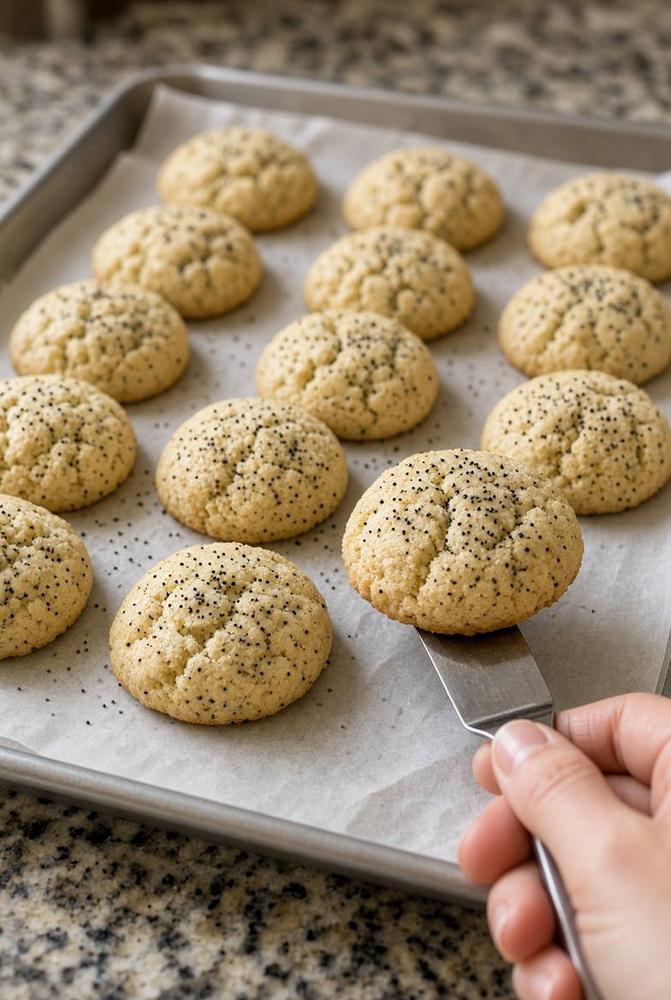
There’s something undeniably enchanting about the humble cookie, and these Lemon Poppy Seed Cookies are no exception. Imagine a sunny afternoon, a warm cup of tea, and a bite into a cookie that bursts with bright, zesty lemon flavor, perfectly complemented by the subtle, delightful crunch of poppy seeds. These aren’t just any cookies; they’re a little ray of sunshine in edible form, promising to brighten your day and tantalize your taste buds. Their vibrant citrus notes cut through the sweetness, creating a perfectly balanced treat that’s both refreshing and utterly comforting. Whether you’re a seasoned baker or just starting your culinary journey, these cookies are designed to bring joy with every golden, poppy-studded bite.
What makes these Lemon Poppy Seed Cookies truly special is their harmonious blend of textures and flavors. We’re talking about a cookie that’s soft and tender on the inside, with edges that are just lightly golden and set, hinting at a delicate chewiness. The lemon zest and fresh lemon juice are infused throughout the dough, ensuring every mouthful delivers that signature tangy punch, while the poppy seeds add a fantastic visual appeal and a gentle, nutty pop that elevates the whole experience. They’re a versatile treat, perfect for any occasion – from a casual afternoon snack to an elegant dessert for a dinner party, or even a thoughtful addition to a holiday cookie platter. Their universal appeal makes them a guaranteed crowd-pleaser, disappearing quickly from any cookie jar or serving tray.
You’re going to absolutely fall in love with this recipe for its sheer simplicity and incredible payoff. We’ve crafted it to be straightforward, ensuring that even novice bakers can achieve bakery-quality results. The process is intuitive, from creaming the butter and sugar to folding in the zesty lemon and poppy seeds, leading to a batch of cookies that look as good as they taste. Plus, the aroma that fills your kitchen as these bake is simply intoxicating – a fragrant promise of the deliciousness to come. Get ready to bake a batch of pure happiness that will have everyone asking for the recipe!
Nutritional Information
Per serving (approximate values):
- Calories: 185
- Protein: 2g
- Carbohydrates: 25g
- Fat: 9g
- Fiber: 1g
- Sodium: 105mg
Ingredients
- 1 cup (2 sticks) unsalted butter, softened
- 1 ½ cups granulated sugar
- 2 large eggs, at room temperature
- 2 tablespoons fresh lemon zest (from 2-3 large lemons)
- 3 tablespoons fresh lemon juice
- 1 teaspoon vanilla extract
- 2 ½ cups all-purpose flour
- 1 teaspoon baking powder
- ½ teaspoon baking soda
- ¼ teaspoon salt
- 3 tablespoons poppy seeds
- For the Glaze (Optional):
- 1 ½ cups powdered sugar
- 3-4 tablespoons fresh lemon juice
- ½ teaspoon lemon zest (optional, for extra zing)
Instructions
- Prepare for Baking: Preheat your oven to 375°F (190°C). Line two large baking sheets with parchment paper. This will prevent sticking and make cleanup a breeze.
- Cream Butter and Sugar: In a large mixing bowl, using an electric mixer (either stand mixer with paddle attachment or a hand mixer), cream together the softened unsalted butter and granulated sugar on medium-high speed until the mixture is light, fluffy, and pale in color. This usually takes about 3-5 minutes. Proper creaming incorporates air, which contributes to the cookies’ light texture.
- Add Wet Ingredients: Beat in the large eggs one at a time, mixing well after each addition until fully incorporated. Scrape down the sides of the bowl as needed. Next, add the fresh lemon zest, fresh lemon juice, and vanilla extract. Mix on low speed until just combined. The mixture might look slightly curdled at this stage due to the acid from the lemon juice, but don’t worry, it will come together once the dry ingredients are added.
- Combine Dry Ingredients: In a separate medium bowl, whisk together the all-purpose flour, baking powder, baking soda, and salt. Whisking ensures these ingredients are evenly distributed, which is crucial for uniform leavening.
- Combine Wet and Dry: Gradually add the dry ingredient mixture to the wet ingredients, mixing on low speed until just combined. Be careful not to overmix; overmixing can develop the gluten in the flour, leading to tough cookies. Stop mixing as soon as no streaks of flour remain.
- Fold in Poppy Seeds: Gently fold in the poppy seeds using a rubber spatula. Ensure they are evenly distributed throughout the dough.
- Scoop the Dough: Drop rounded tablespoons of cookie dough onto the prepared baking sheets, leaving about 2 inches between each cookie to allow for spreading. For uniform cookies, a cookie scoop (about 1.5-inch diameter) works best.
- Bake the Cookies: Bake for 9-12 minutes, or until the edges are lightly golden brown and the centers are set but still look soft. The exact baking time will depend on your oven and the size of your cookies. For even baking, you might want to rotate your baking sheets halfway through the baking time.
- Cooling Process: Once baked, remove the baking sheets from the oven. Let the cookies cool on the baking sheets for 5 minutes before carefully transferring them to a wire rack to cool completely. Cooling on the baking sheet initially helps them set and prevents breakage.
- Prepare the Glaze (Optional): If you’re making the lemon glaze, while the cookies are cooling, whisk together the powdered sugar and 3 tablespoons of fresh lemon juice in a small bowl until smooth. If the glaze is too thick, add more lemon juice a teaspoon at a time until it reaches a drizzling consistency. If you desire, stir in ½ teaspoon of lemon zest for an extra pop of flavor.
- Glaze the Cookies: Once the cookies are completely cool, drizzle the lemon glaze over them using a spoon or a whisk. Allow the glaze to set for about 15-20 minutes before serving or storing.
Cooking Tips and Variations
Achieving the perfect Lemon Poppy Seed Cookie is all about attention to detail and a few clever tricks. For starters, always use fresh lemon zest and juice. Bottled lemon juice simply doesn’t compare in terms of vibrant flavor. The zest holds the most potent lemon oils, so don’t skimp on it! When zesting, be sure to only get the bright yellow part of the peel, avoiding the bitter white pith underneath.
Dough Consistency: If your dough feels too soft or sticky, especially on a warm day, don’t hesitate to chill it in the refrigerator for 20-30 minutes. This will make it much easier to handle and help prevent the cookies from spreading too much in the oven, resulting in a thicker, chewier cookie. Conversely, if you prefer a slightly flatter, crispier cookie, you can bake the dough without chilling.
Even Baking: For uniform golden-brown cookies, it’s a good practice to rotate your baking sheets halfway through the baking time. Ovens often have hot spots, and rotating ensures all cookies get an even exposure to heat. Also, invest in a good quality cookie scoop. This ensures consistent cookie size, which translates to consistent baking time for every cookie on the tray.
Don’t Overbake: Lemon Poppy Seed Cookies are best when they’re soft and tender. Bake them just until the edges are lightly golden and the centers are set but still look a bit soft. They will continue to set as they cool on the baking sheet. Overbaking will lead to dry, crumbly cookies.
Storage for Freshness: Once completely cooled (and glazed, if applicable, with the glaze fully set), store your cookies in an airtight container at room temperature. This will keep them fresh and soft for up to 3-5 days. If you want to extend their life, they can also be frozen for up to 3 months. Arrange them in a single layer on a baking sheet to freeze solid, then transfer to a freezer-safe bag or container, separating layers with parchment paper.
Variations to Experiment With:
- Glaze Options: While a simple lemon glaze is classic, you could also try a cream cheese glaze for a richer, tangier topping, or even a plain powdered sugar dusting for a less sweet finish. If you want a more intense lemon flavor in the glaze, steep a few strips of lemon zest in the lemon juice for 15-20 minutes before straining and mixing with the powdered sugar.
- Texture Adjustments: For a chewier cookie, slightly increase the amount of brown sugar (up to ¼ cup, reducing granulated sugar by the same amount) and ensure your butter is just softened, not melted. For a cakier cookie, you can add an extra egg yolk, which adds richness and a tender crumb.
- Other Citrus: Feel free to swap out lemon for other citrus fruits to create new flavor profiles. Lime zest and juice make for a delightfully tart and aromatic cookie, while orange zest and juice yield a sweeter, more mellow citrus flavor. You could even combine two types of citrus for a complex taste!
- Exciting Add-ins: Elevate your cookies with additional ingredients. White chocolate chips pair beautifully with lemon and poppy seeds, adding a creamy sweetness. Finely chopped nuts like almonds or pistachios would introduce another layer of texture and nutty flavor. A pinch of cardamom or ginger could also add a warm, subtle spice dimension.
- Rolling in Poppy Seeds: For an extra visual pop and a more pronounced poppy seed crunch, after scooping the dough, roll each ball in a small bowl of extra poppy seeds before placing them on the baking sheet. This ensures a generous coating on the exterior.
Storage and Reheating
Proper storage is key to keeping your Lemon Poppy Seed Cookies tasting fresh and delicious for as long as possible. Once the cookies have completely cooled down to room temperature (and any glaze has fully set), transfer them to an airtight container. This is crucial for preventing them from drying out and becoming stale. You can store them in a single layer or stack them gently, placing a sheet of parchment paper between layers to prevent them from sticking together, especially if they are glazed. Stored at room temperature, these cookies will maintain their optimal freshness and soft texture for about 3 to 5 days. For longer storage, consider refrigerating them, which can extend their shelf life by a few extra days, though the texture might firm up slightly. If you’re planning to enjoy them over an extended period, freezing is an excellent option.
To freeze Lemon Poppy Seed Cookies, first ensure they are completely cool. You can freeze them baked or as raw dough balls. For baked cookies, arrange them in a single layer on a baking sheet and place them in the freezer until they are solid, typically 1-2 hours. This “flash freezing” prevents them from sticking together. Once solid, transfer the frozen cookies to a freezer-safe bag or airtight container. Again, placing parchment paper between layers is a good idea. Frozen baked cookies will keep well for up to 3 months. When you’re ready to enjoy them, simply take out the desired number of cookies and let them thaw at room temperature for about 30-60 minutes. They will be just as delicious as when they were freshly baked. For raw dough, scoop the dough balls onto a parchment-lined baking sheet and flash freeze them. Once solid, transfer to a freezer bag. When ready to bake, place frozen dough balls on a baking sheet and bake as directed, adding a few extra minutes to the baking time.
Reheating these cookies is generally not necessary, as they are best enjoyed at room temperature. However, if you prefer a warm cookie, or if they’ve been refrigerated and you want to soften them slightly, you can gently warm them. Place them on a baking sheet in a preheated oven at 275°F (135°C) for about 5-7 minutes. Be careful not to overheat them, as this can dry them out. Alternatively, a quick 10-15 second zap in the microwave can warm a single cookie, but this method can sometimes alter the texture, making it softer or chewier in an uneven way. For glazed cookies, avoid microwaving, as the glaze can melt or become sticky. The best approach is always to let them come to room temperature naturally.
Frequently Asked Questions
What kind of lemons are best for this recipe?
For the best flavor, use fresh, bright yellow lemons that are firm and heavy for their size. Eureka and Lisbon lemons are commonly available and work wonderfully. Organic lemons are often preferred since you’ll be using the zest, minimizing exposure to pesticides. Always wash your lemons thoroughly before zesting.
Can I make the cookie dough ahead of time?
Absolutely! This cookie dough is excellent for making ahead. You can prepare the dough, cover the bowl tightly with plastic wrap, and refrigerate it for up to 2-3 days. Chilling the dough can actually enhance the flavors and often results in a thicker, chewier cookie. When you’re ready to bake, let the dough sit at room temperature for about 15-20 minutes to soften slightly before scooping and baking.
Why are my cookies spreading too much?
There are a few common reasons why cookies might spread excessively. Your butter might have been too soft or even melted when you creamed it, which can lead to a greasy dough. Ensure your butter is just softened, not oily. Another reason could be that your oven temperature is too low; a colder oven allows the butter to melt before the cookie sets. Also, if your baking sheets are warm from a previous batch, they can cause the dough to spread immediately. Always use cool baking sheets, or allow them to cool between batches. Finally, too much liquid in the dough or not enough flour can also contribute to spreading.
Can I substitute the poppy seeds with something else?
While poppy seeds are a signature component of this recipe, you can certainly experiment with alternatives if you’re not a fan or don’t have them on hand. Chia seeds can offer a similar subtle crunch and appearance, though their flavor is milder. Toasted sesame seeds would introduce a nuttier, more pronounced flavor. Alternatively, you could omit them entirely and focus purely on the lemon flavor, perhaps adding a sprinkle of toasted coconut flakes or finely chopped nuts for texture.