Introduction
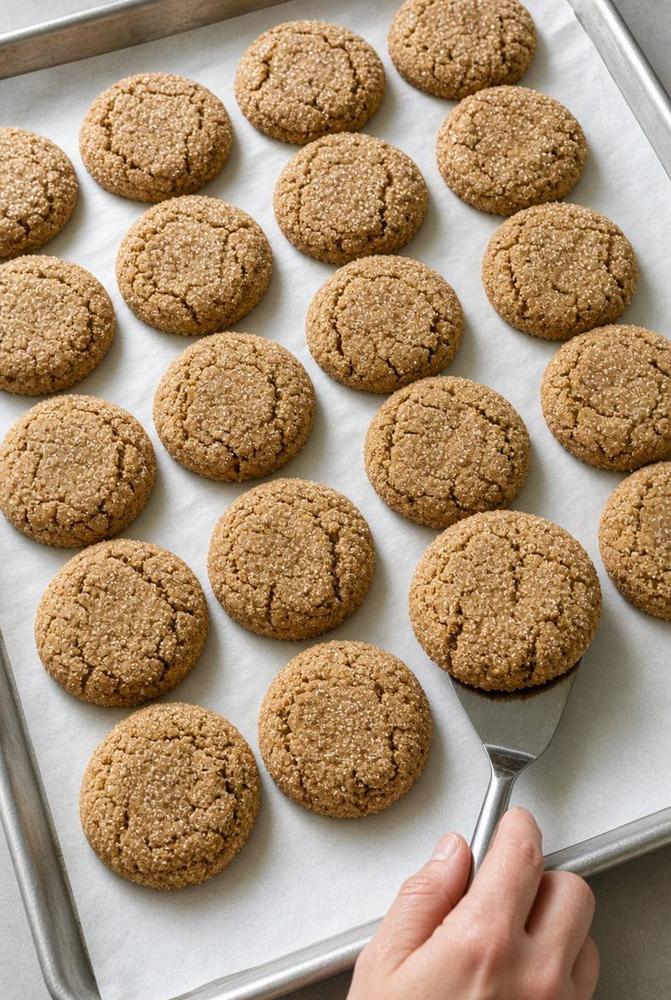
There are some cookies that just scream comfort, warmth, and the cozy embrace of home, and Ginger Molasses Cookies are undoubtedly at the top of that list. Imagine biting into a cookie that’s perfectly soft and chewy in the center, with delightfully crisp, sugar-coated edges that crackle with each bite. That’s the magic of these spiced beauties! With their signature crinkled tops, deep golden-brown hue, and an aroma that fills your kitchen with the irresistible scents of ginger and molasses, these cookies are more than just a treat; they’re a sensory experience.
These classic cookies are a staple for a reason, especially as the days grow shorter and the air turns crisp. While they shine brightly during the fall, winter, and holiday seasons, offering a festive cheer, their comforting appeal knows no bounds. They’re the kind of cookie that evokes memories of grandma’s kitchen, warm mugs of tea, and joyous gatherings. The combination of fiery ginger, rich, earthy molasses, and a sweet, sparkling sugar coating creates a flavor profile that is both complex and incredibly satisfying, striking that perfect balance between spicy, sweet, and deeply comforting.
What makes this particular Ginger Molasses Cookie recipe truly special is its perfect balance of ease and incredible flavor. You don’t need a culinary degree to whip up a batch of these showstoppers. The ingredients are simple pantry staples, and the steps are straightforward, making it an ideal baking project for both seasoned bakers and beginners alike. The result? A batch of cookies with that coveted chewy texture, a fragrant spice blend, and a charming crackled appearance that makes them as beautiful to look at as they are delicious to eat. Get ready to fill your home with the most wonderful scent and treat yourself to a true classic!
Nutritional Information
Per serving (approximate values):
- Calories: 180 kcal
- Protein: 2g
- Carbohydrates: 30g
- Fat: 6g
- Fiber: 1g
- Sodium: 120mg
Ingredients
- 2 ¼ cups all-purpose flour
- 2 teaspoons ground ginger
- 1 teaspoon ground cinnamon
- ½ teaspoon ground cloves
- ½ teaspoon ground nutmeg
- 1 teaspoon baking soda
- ¼ teaspoon salt
- ¾ cup unsalted butter, softened
- ½ cup granulated sugar (plus ½ cup for rolling)
- ½ cup packed light brown sugar
- 1 large egg
- ¼ cup unsulphured molasses
Instructions
- In a medium bowl, whisk together the all-purpose flour, ground ginger, ground cinnamon, ground cloves, ground nutmeg, baking soda, and salt. Set aside.
- In a large bowl, using an electric mixer, cream together the softened unsalted butter, ½ cup granulated sugar, and packed light brown sugar until light and fluffy, about 2-3 minutes.
- Beat in the large egg until well combined.
- Add the unsulphured molasses and mix until fully incorporated and the mixture is smooth.
- Gradually add the dry ingredient mixture to the wet ingredients, mixing on low speed until just combined. Be careful not to overmix the dough. The dough will be soft.
- Cover the bowl with plastic wrap and refrigerate the dough for at least 30 minutes, or up to 2 hours. Chilling the dough helps prevent the cookies from spreading too much and enhances flavor.
- Preheat your oven to 375°F (190°C). Line two baking sheets with parchment paper.
- Place the remaining ½ cup of granulated sugar in a shallow bowl for rolling.
- Scoop out rounded tablespoons of dough. Roll each portion of dough into a smooth ball between your palms.
- Generously roll each dough ball in the granulated sugar, ensuring it’s completely coated. This sugar coating is crucial for the signature crackled appearance and adds a delightful crunch.
- Place the sugar-coated dough balls onto the prepared baking sheets, spacing them about 2 inches apart.
- Bake one sheet at a time for 9-11 minutes, or until the edges are set and lightly golden, but the centers still look slightly soft and puffed. The cookies will flatten and develop their characteristic crackles as they cool. Do not overbake, as this will result in a hard cookie rather than a chewy one.
- Remove the baking sheets from the oven and let the cookies cool on the baking sheet for 5 minutes. This allows them to set up without breaking.
- After 5 minutes, carefully transfer the cookies to a wire rack to cool completely.
- Repeat with any remaining dough.
Cooking Tips and Variations
Achieving the perfect Ginger Molasses Cookie is all about a few key techniques and a little love. First and foremost, resist the urge to overbake! These cookies are meant to be soft and chewy in the center, with slightly crisp edges. Pull them from the oven when the edges are set and a beautiful golden-brown, but the centers still look a little soft and puffy. They will continue to cook slightly on the hot baking sheet, firming up to that ideal texture. Allowing them to cool on the baking sheet for those initial 5 minutes is crucial; it prevents them from falling apart when you transfer them to a wire rack. For the best flavor and texture, don’t skip the chilling step for the dough. Even 30 minutes makes a noticeable difference, helping the flavors meld and preventing excessive spreading in the oven, leading to a thicker, chewier cookie.
When it comes to rolling the dough in sugar, be generous! This isn’t just for sweetness; the sugar coating contributes significantly to the beautiful crackled surface and provides a delightful textural contrast. Use unsulphured molasses for the best flavor; it has a richer, cleaner taste compared to sulphured varieties. For an extra kick of fresh ginger flavor, you can add 1-2 tablespoons of finely grated fresh ginger along with the molasses. This adds a brighter, spicier note that complements the ground spices beautifully.
Want to play with variations? The world of spice is your oyster! For a warmer, more aromatic cookie, increase the amounts of cinnamon, cloves, or nutmeg slightly, or add a pinch of allspice. A teaspoon of finely grated orange zest added to the dough can brighten the flavor profile, offering a lovely citrusy counterpoint to the deep spices. If you’re feeling adventurous, try adding white chocolate chips to the dough for a sweet, creamy surprise in each bite. For a gluten-free version, simply substitute the all-purpose flour with a 1:1 gluten-free baking flour blend that contains xanthan gum. Always ensure your butter is truly softened, but not melted, for the best creaming results and cookie texture. These cookies are fantastic on their own, but they also pair wonderfully with a hot cup of coffee, a glass of cold milk, or a soothing cup of spiced tea. They make a thoughtful homemade gift during the holidays and are always a welcome addition to any dessert platter.
Storage and Reheating
Proper storage is key to keeping your Ginger Molasses Cookies wonderfully soft and chewy. Once completely cooled, store the cookies in an airtight container at room temperature for up to 5-7 days. To maintain their chewiness, you can even place a slice of bread or a half of an apple in the container with the cookies; the moisture from the bread or apple will help keep the cookies soft. Just remember to replace the bread/apple every day or two to prevent mold.
For longer storage, Ginger Molasses Cookies freeze exceptionally well. You can freeze the baked cookies or even the unbaked dough balls. To freeze baked cookies, arrange them in a single layer on a baking sheet and freeze until solid. Once frozen, transfer them to a freezer-safe airtight container or heavy-duty freezer bag, separating layers with parchment paper to prevent sticking. They will keep well in the freezer for up to 3 months. Thaw frozen cookies at room temperature for a few hours before serving. To reheat them for that fresh-from-the-oven warmth, pop them in a preheated oven at 275°F (135°C) for about 5-7 minutes, or microwave for 10-15 seconds.
If you prefer to freeze the dough, roll the dough into balls and coat them in sugar as instructed. Place the sugared dough balls on a baking sheet lined with parchment paper and freeze until solid. Once frozen, transfer them to a freezer-safe bag or container. When you’re ready to bake, you can bake them directly from frozen; just add an extra 2-4 minutes to the baking time. This is a fantastic way to have fresh, warm cookies on demand without all the prep work every time!
Frequently Asked Questions
Why are my Ginger Molasses Cookies hard instead of chewy?
The most common reason for hard ginger molasses cookies is overbaking. These cookies are meant to be removed from the oven when their edges are set but their centers still look slightly soft and puffed. They continue to cook and firm up as they cool on the baking sheet. Overbaking extracts too much moisture, leading to a dry, hard cookie. Another factor can be not chilling the dough, which can cause them to spread too thin and become crispier.
Can I make these cookies ahead of time?
Absolutely! Ginger Molasses Cookies are excellent for making ahead. The dough can be prepared and stored in an airtight container in the refrigerator for up to 3-4 days. You can also roll the dough into balls, coat them in sugar, and freeze them on a baking sheet. Once frozen, transfer them to a freezer-safe bag and bake directly from frozen, adding a few extra minutes to the baking time. Baked cookies also store well for several days at room temperature.
What kind of molasses should I use?
For the best flavor in Ginger Molasses Cookies, it’s recommended to use unsulphured molasses, specifically light or dark molasses. Unsulphured molasses has a purer, more natural flavor because it hasn’t been treated with sulfur dioxide. Blackstrap molasses, while also unsulphured, is much stronger and more bitter, and is generally not recommended for these cookies unless you prefer a very intense, less sweet flavor.
My cookies didn’t crackle on top. What went wrong?
The crackled top is a signature of Ginger Molasses Cookies and is primarily achieved by rolling the dough generously in granulated sugar before baking. The sugar caramelizes and creates those beautiful fissures as the cookies expand and settle. Ensuring your oven is at the correct temperature (375°F/190°C) is also important, as proper heat helps the cookies puff up and then crack as they spread. Additionally, using a leavening agent like baking soda and ensuring your butter and sugars are properly creamed contribute to the texture that allows for crackling.