Introduction
There’s something undeniably comforting and satisfying about a perfectly cooked meatball. But let’s be honest, pan-frying can be messy, and standing over a hot stove isn’t always ideal. That’s where the magic of oven-baked meatballs comes in! This recipe transforms humble ground meat into golden-brown, juicy spheres of deliciousness with minimal fuss. Forget splattering oil and uneven cooking; the oven does all the hard work, delivering consistently perfect meatballs every single time. Whether you’re a seasoned home cook or just starting your culinary journey, these easy, homemade meatballs are a game-changer for weeknight dinners and special occasions alike.
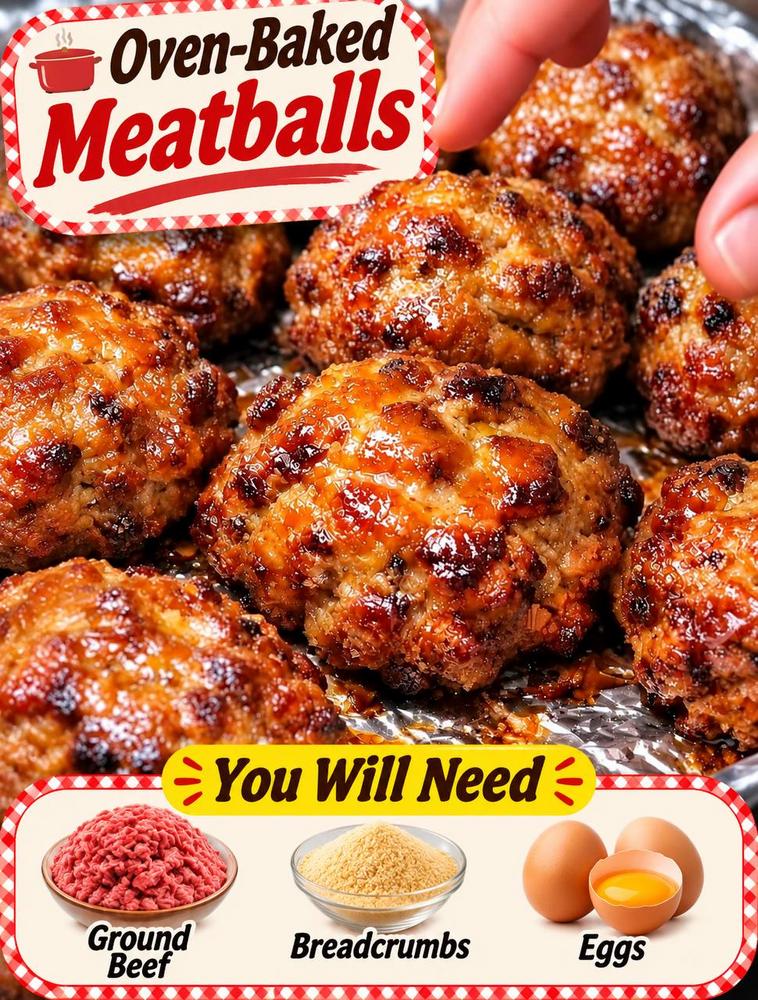
What makes these oven-baked meatballs truly special is their incredible versatility and foolproof preparation. We’re talking about simple, wholesome ingredients that come together to create a dish bursting with flavor. The dry heat of the oven creates a beautifully caramelized, golden-brown exterior, giving each meatball a delightful crust that locks in all the savory juices. Inside, they remain wonderfully tender and moist, a testament to proper mixing and baking techniques. They’re not just a meal; they’re a canvas for your culinary creativity, ready to be paired with endless sauces and sides.
Say goodbye to dry, crumbly meatballs and hello to a batch that’s destined to impress. This recipe is designed for maximum flavor with minimum effort, making it an absolute staple for busy families and anyone craving a hearty, satisfying meal. From classic pasta night to inventive appetizers, these oven-baked meatballs are poised to become a new favorite in your kitchen. Get ready to enjoy the rich aroma filling your home and the pure joy of biting into a perfectly seasoned, perfectly cooked homemade meatball.
Nutritional Information
Per serving (approximate values):
- Calories: 320
- Protein: 28g
- Carbohydrates: 12g
- Fat: 17g
- Fiber: 1g
- Sodium: 480mg
Ingredients
- 1.5 lbs lean ground beef (85/15 or 90/10 recommended for flavor and moisture)
- 1/2 cup plain breadcrumbs (panko or Italian-style also work well)
- 1 large egg, lightly beaten
- 1/4 cup finely grated Parmesan cheese (optional, but highly recommended for flavor)
- 1/4 cup finely minced yellow onion
- 2 cloves garlic, minced
- 2 tablespoons fresh parsley, chopped (or 1 teaspoon dried parsley)
- 1 teaspoon salt
- 1/2 teaspoon black pepper
- 1/2 teaspoon dried oregano
- 1/4 teaspoon red pepper flakes (optional, for a subtle kick)
- 1 tablespoon olive oil (for mixing, optional)
Instructions
- Preheat your oven to 400°F (200°C). Line a large baking sheet with aluminum foil or parchment paper for easy cleanup. If you have a wire rack that fits inside the baking sheet, place it on top of the foil; this allows air to circulate around the meatballs, promoting more even browning.
- In a large mixing bowl, gently combine all the ingredients: ground beef, breadcrumbs, beaten egg, grated Parmesan cheese (if using), minced yellow onion, minced garlic, chopped fresh parsley, salt, black pepper, dried oregano, and red pepper flakes (if using). If your ground beef is very lean, you can add 1 tablespoon of olive oil to the mixture to help with moisture.
- Using clean hands, mix the ingredients until just combined. Be careful not to overmix, as this can lead to tough, dry meatballs. Mix just enough so that all ingredients are evenly distributed and the mixture holds together.
- Begin forming the meatballs. For uniform cooking and presentation, aim for meatballs that are roughly 1.5 to 2 inches in diameter. A cookie scoop can be very helpful for consistent sizing. Roll the mixture gently between your palms to create smooth, round balls.
- Arrange the formed meatballs in a single layer on the prepared baking sheet, ensuring there is a little space between each one for even cooking and browning. Do not overcrowd the baking sheet; if necessary, use a second sheet.
- Bake the meatballs in the preheated oven for 18-25 minutes, or until they are golden brown on the outside and cooked through. The exact cooking time will depend on the size of your meatballs and your oven. To check for doneness, you can insert an instant-read thermometer into the center of a meatball; it should register 160°F (71°C).
- Once baked, remove the meatballs from the oven. If desired, you can transfer them directly to your favorite sauce, or let them rest on the baking sheet for a few minutes before serving. Resting allows the juices to redistribute, resulting in more tender and flavorful meatballs.
- Serve immediately with your chosen accompaniments, such as pasta and marinara sauce, sub rolls, or as an appetizer with a dipping sauce.
Cooking Tips and Variations
For the juiciest, most flavorful oven-baked meatballs, start with good quality ground beef. An 85/15 or 90/10 lean-to-fat ratio is ideal; too lean and they can dry out, too fatty and they might render too much grease. The key to tender meatballs is to avoid overmixing the ingredients. Mix just until everything is combined, using a light hand. Overworking the meat can lead to a tough, dense texture. For perfectly uniform meatballs, which ensures even cooking, use a cookie scoop or a kitchen scale to portion out the mixture before rolling. This prevents some meatballs from being undercooked while others are overcooked. Baking on a wire rack set over a foil-lined baking sheet is a fantastic trick for achieving an all-around golden-brown crust, as it allows hot air to circulate underneath the meatballs. If you don’t have a rack, simply baking on foil or parchment paper still works wonderfully.
Don’t be afraid to experiment with the seasonings. For an Italian flair, increase the oregano and add a pinch of dried basil and a generous amount of fresh parsley. You can also mix in a tablespoon or two of finely chopped sun-dried tomatoes for an extra burst of umami. For a touch of heat, up the red pepper flakes or add a dash of cayenne pepper. If you prefer a milder flavor, omit the red pepper flakes entirely. To incorporate more vegetables and moisture, finely grate a small zucchini or carrot into the mixture (squeeze out excess moisture first). This adds nutrients without significantly altering the flavor. For a different texture, try swapping out plain breadcrumbs for panko breadcrumbs, which create a slightly crispier exterior.
Consider adding a teaspoon of Worcestershire sauce or a splash of milk to the mixture; both can contribute to a more tender and flavorful meatball. For those who enjoy a richer flavor, a tablespoon of finely chopped fresh rosemary or thyme can elevate the herb profile significantly. You can also swap out the ground beef for a mix of ground beef and ground pork, or even ground turkey for a leaner option (though turkey meatballs may require a bit more moisture, such as an extra egg or a splash of milk, to prevent dryness). These variations allow you to customize the recipe to your dietary preferences and taste buds, making these oven-baked meatballs a truly versatile foundation for countless meals.
Storage and Reheating
Storing your oven-baked meatballs properly ensures they remain delicious for future meals. Once cooked, allow the meatballs to cool completely before transferring them to an airtight container. They can be stored in the refrigerator for up to 3-4 days. For longer storage, meatballs freeze exceptionally well. Arrange the cooled meatballs in a single layer on a baking sheet and freeze for 1-2 hours until solid. This prevents them from sticking together. Once frozen, transfer them to a freezer-safe bag or container, removing as much air as possible to prevent freezer burn. Frozen meatballs will maintain their quality for up to 3 months.
When it comes to reheating, there are several effective methods depending on whether your meatballs are refrigerated or frozen. From the refrigerator, you can reheat them gently in a microwave until warmed through, or in a covered dish in a preheated oven at 300°F (150°C) for about 10-15 minutes, or until heated through. If you’re adding them to a sauce, simply simmer them in the sauce over medium-low heat until they are hot. For frozen meatballs, it’s best to thaw them in the refrigerator overnight before reheating. However, you can also reheat them directly from frozen by baking them in a covered dish in a 325°F (160°C) oven for 20-30 minutes, or until thoroughly heated, or by simmering them gently in a sauce for a longer period until they are hot in the center. Avoid reheating at very high temperatures or for too long, as this can dry them out.
Frequently Asked Questions
Why are my meatballs dry?
Dry meatballs are often a result of using too lean of ground meat, overmixing the meatball mixture, or overcooking them. To prevent this, use ground beef with at least 15% fat, mix the ingredients just until combined (don’t overwork the meat), and bake only until they reach an internal temperature of 160°F (71°C).
Can I make these meatballs ahead of time?
Absolutely! These meatballs are perfect for meal prep. You can prepare the mixture and form the meatballs, then store them raw in an airtight container in the refrigerator for up to 24 hours before baking. Alternatively, you can bake them completely, cool them, and then store them in the refrigerator or freeze them as described in the storage section.
What can I serve with oven-baked meatballs?
The versatility of these meatballs is one of their best features! Classic pairings include spaghetti and marinara sauce, meatball sub sandwiches with melted provolone, or as an appetizer with a dipping sauce like marinara, BBQ, or a creamy garlic dip. For a lighter meal, serve them alongside roasted vegetables, a fresh salad, or even in a “meatball bowl” with rice or quinoa and your favorite sauce.
Can I use ground turkey or chicken instead of beef?
Yes, you can substitute ground turkey or chicken for ground beef. However, poultry tends to be leaner, so you might need to add a bit more moisture to the mixture to prevent dryness. Consider adding an extra egg, a splash of milk, or a tablespoon of olive oil to the mix. The cooking time might also vary slightly, so always check for an internal temperature of 165°F (74°C) for poultry.