Instructions
- Preheat your oven to 350°F (175°C). Grease and flour a 13×18-inch sheet pan (half-sheet pan), or line it with parchment paper for easier removal.
- Combine Dry Ingredients: In a large mixing bowl, whisk together the all-purpose flour, granulated sugar, cocoa powder, baking soda, and salt. Set aside.
- Prepare Wet Ingredients (Stovetop): In a medium saucepan, combine the unsalted butter and water. Bring the mixture to a rolling boil over medium heat, stirring occasionally to ensure the butter melts completely.
- Combine Wet and Dry: Carefully pour the hot butter and water mixture over the dry ingredients in the large mixing bowl. Stir well with a whisk or rubber spatula until just combined and smooth. Do not overmix.
- Add Remaining Wet Ingredients: In a separate small bowl, whisk together the buttermilk, eggs, and vanilla extract. Pour this mixture into the chocolate batter and stir until fully incorporated and smooth. The batter will be thin, which is normal for Texas Sheet Cake.
- Bake the Cake: Pour the thin batter evenly into the prepared sheet pan. Place the pan in the preheated oven and bake for 20-25 minutes, or until a wooden skewer or toothpick inserted into the center of the cake comes out clean.
- Prepare the Frosting (While Cake Bakes): While the cake is baking, prepare the frosting. In a medium saucepan, melt the 1/2 cup unsalted butter over medium heat. Add the 1/4 cup cocoa powder and whisk until smooth.
- Add Milk and Simmer: Stir in the 1/3 cup milk and bring the mixture to a gentle simmer, stirring constantly. Remove from heat immediately once it starts to simmer.
- Whisk in Powdered Sugar: Add the powdered sugar, vanilla extract, and pinch of salt to the hot cocoa mixture. Whisk vigorously until the frosting is completely smooth and lump-free. Work quickly, as the frosting will thicken as it cools.
- Frost the Warm Cake: As soon as the cake comes out of the oven, immediately pour the warm frosting evenly over the entire surface of the hot cake. Use an offset spatula or the back of a spoon to gently spread the frosting to the edges, ensuring every part of the cake is covered. The heat from the cake will help the frosting melt slightly and create that signature fudgy texture.
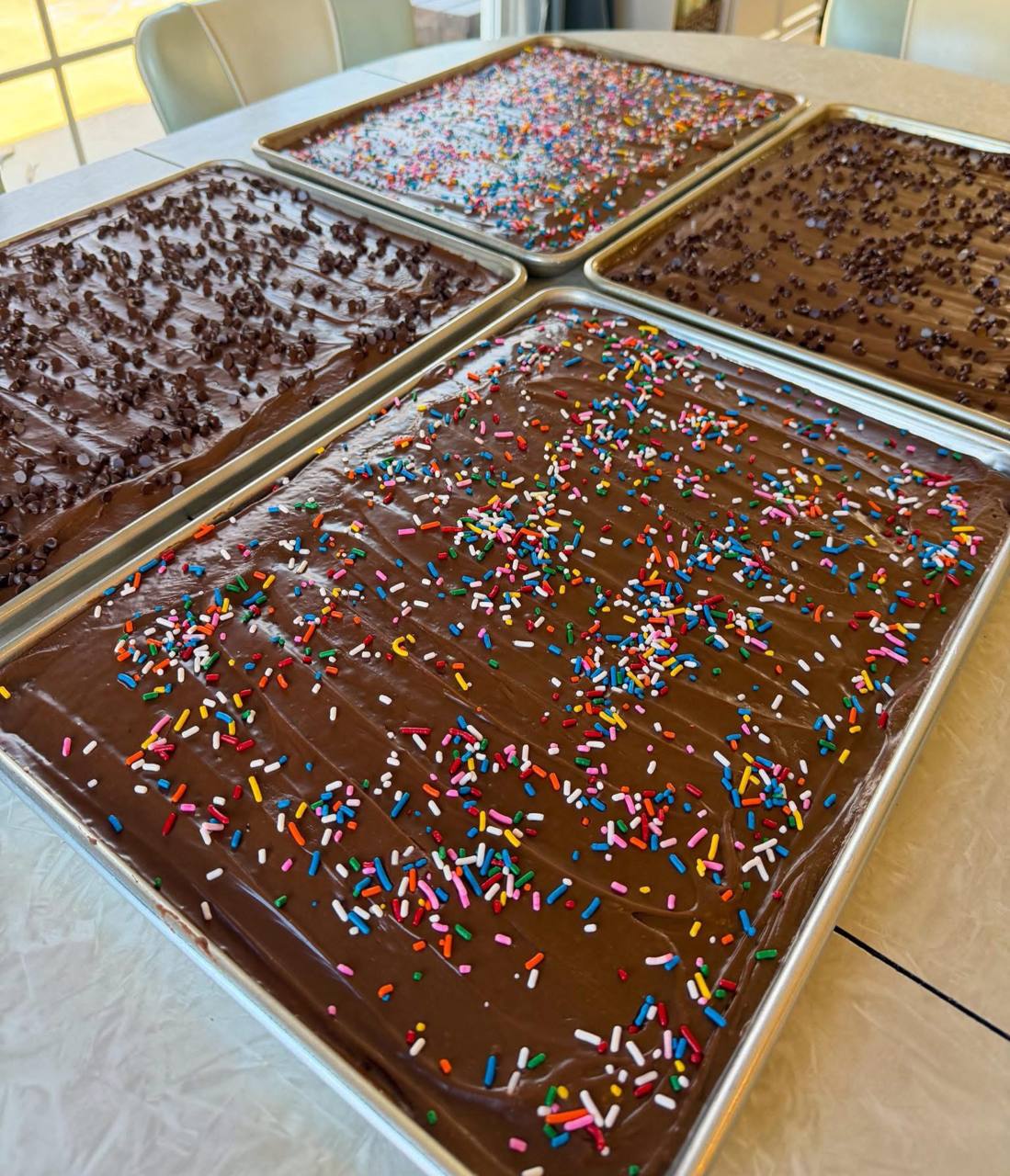
- Add Toppings (Optional): If desired, immediately sprinkle your chosen toppings (rainbow sprinkles, mini chocolate chips, chopped nuts, or flaky sea salt) over the warm, wet frosting. This will ensure they adhere well.
- Cool and Serve: Allow the cake to cool completely at room temperature before slicing and serving. This allows the frosting to set properly and the flavors to meld. If you can, let it sit for at least an hour or two, or even longer for the best texture.
Cooking Tips and Variations
Achieving the perfect Amazing Texas Sheet Cake requires a few insider tips and opens the door to delightful variations. First and foremost, the “hot frosting on hot cake” technique is non-negotiable. This is the secret to the fudgy, slightly melded frosting layer that makes Texas Sheet Cake so iconic. As soon as your cake comes out of the oven, have that frosting ready to pour. Don’t delay, as the cake’s residual heat is crucial for the frosting to set with that desirable texture. Another key is to avoid overmixing the cake batter. Overmixing develops gluten, leading to a tougher, drier cake. Mix until just combined, even if a few small lumps remain, to ensure a tender, moist crumb. For the best flavor, use good quality unsweetened cocoa powder; it makes a noticeable difference in the depth of chocolate. Natural cocoa powder is specified here because it reacts with the baking soda to create lift, ensuring a light yet moist cake.
When it comes to variations, the possibilities are delicious. To enhance the chocolate flavor even further, try adding 1-2 tablespoons of instant espresso powder or instant coffee granules to the dry ingredients for the cake. This won’t make the cake taste like coffee, but it will intensify the chocolate notes beautifully. For a different twist, experiment with extracts in the frosting. Instead of pure vanilla, a touch of almond extract can add a sophisticated touch, or a hint of peppermint extract can transform it into a holiday treat. If you’re a nut lover, toasted pecans or walnuts stirred into the frosting just before pouring, or sprinkled generously on top, add a wonderful crunch and earthy flavor. For those who enjoy a little spice, a tiny pinch of cayenne pepper in the frosting can create a subtle, exciting warmth, known as “Mexican Hot Chocolate” style. You can also play with the type of milk used; whole milk or even heavy cream in the frosting will make it richer and creamier. Finally, don’t be afraid to customize your toppings beyond sprinkles and chocolate chips. Shredded coconut, chopped toffee bits, or even a drizzle of caramel sauce can elevate your Amazing Texas Sheet Cake to new heights. Just remember to add any wet toppings after the cake has cooled and the frosting has set, to prevent them from sinking or bleeding.
Storage and Reheating
Proper storage is key to keeping your Amazing Texas Sheet Cake fresh and delicious for days. Once the cake has completely cooled and the frosting has set, cover the sheet pan tightly with aluminum foil or plastic wrap. You can also transfer individual slices to an airtight container. Stored at room temperature, the cake will remain fresh for 2-3 days. The moist nature of this cake means it holds up well, and some even find the flavors deepen overnight. If you live in a very warm or humid climate, or if you prefer to extend its shelf life, you can store it in the refrigerator for up to 5-7 days. Just be sure to bring it back to room temperature before serving for the best texture and flavor, as cold cake can be a bit firmer and less aromatic.
Reheating Texas Sheet Cake is generally not necessary, as it’s best enjoyed at room temperature. However, if you’ve refrigerated it and want to restore some of that fresh-baked warmth, you can gently warm individual slices. Place a slice on a microwave-safe plate and microwave on low power for 10-15 seconds, or until just slightly warm. Be careful not to overheat, as this can dry out the cake. For larger portions, you can briefly warm the entire pan (covered with foil) in a low oven (around 250°F / 120°C) for 5-10 minutes, just until slightly warm through. Freezing is also an option for long-term storage. To freeze, slice the cake into individual portions. Wrap each slice tightly in plastic wrap, then again in aluminum foil, or place them in a freezer-safe airtight container. Frozen Texas Sheet Cake can last for up to 2-3 months. To thaw, simply unwrap the frozen slices and let them come to room temperature on the counter for a few hours, or overnight in the refrigerator. The frosting may be slightly softer after thawing, but the taste will still be fantastic.
Frequently Asked Questions
What makes Texas Sheet Cake different from other chocolate cakes?
Texas Sheet Cake is unique primarily because it’s baked in a large, shallow sheet pan, resulting in a thinner cake perfect for serving a crowd. Its signature feature is the warm, pour-over fudgy frosting that’s applied while the cake is still hot, allowing it to meld into the cake for an incredibly moist and decadent texture. It’s also often made with buttermilk, which contributes to its tenderness.
Can I make Texas Sheet Cake ahead of time?
Absolutely! Texas Sheet Cake is an excellent make-ahead dessert. It actually tastes even better the next day as the flavors have more time to meld and the frosting sets beautifully. Bake the cake, apply the frosting, and let it cool completely. Then, cover it tightly and store it at room temperature for up to 2-3 days, or in the refrigerator for up to a week. Just remember to bring it to room temperature before serving for the best experience.
My frosting is too thick/thin. How can I fix it?
If your frosting is too thick, it likely cooled down too much before you could pour it. Gently reheat it over low heat, adding a tablespoon of milk at a time and whisking until it reaches a pourable consistency. If it’s too thin, you can whisk in a little more powdered sugar, a tablespoon at a time, until it thickens. Remember, the consistency should be pourable but not watery, setting into a fudgy layer.
What if I don’t have buttermilk?
No buttermilk? No problem! You can easily make a substitute. For 1/2 cup of buttermilk, simply pour 1/2 tablespoon of white vinegar or lemon juice into a liquid measuring cup. Then, fill the rest of the cup with regular milk (whole or 2% works best) until it reaches the 1/2-cup mark. Stir it lightly and let it sit for 5-10 minutes until it slightly curdles. This creates an acidic environment similar to buttermilk, which reacts with the baking soda to give the cake its tender crumb.