Introduction
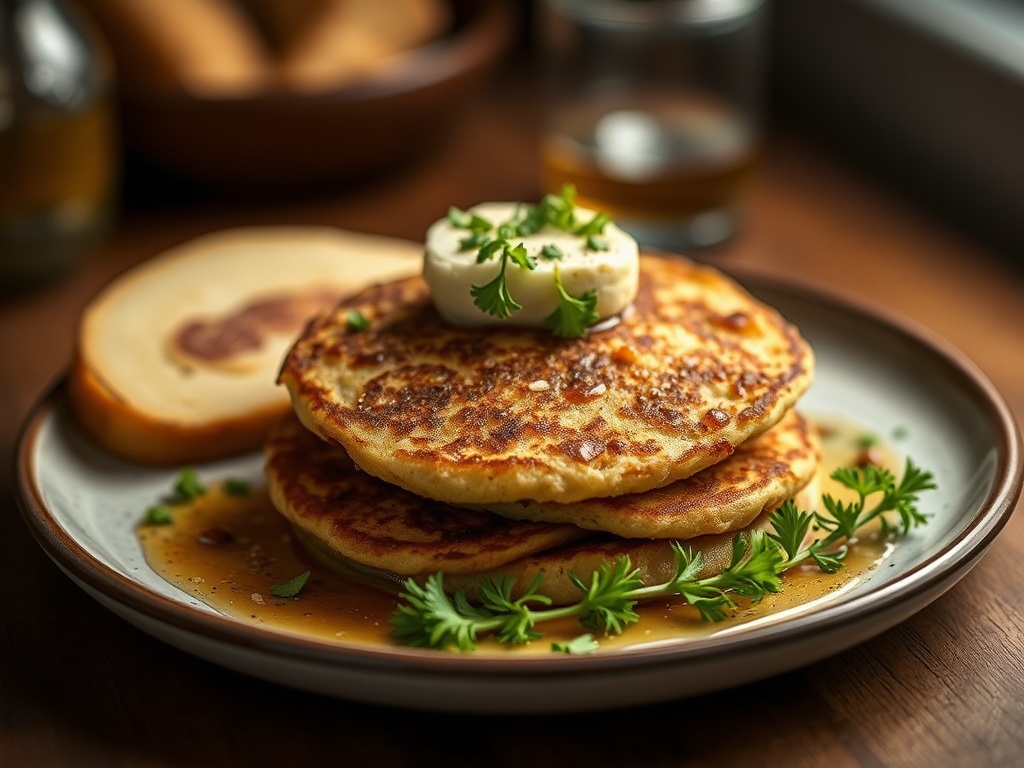
Imagine a golden-brown disc, impossibly crispy on the outside, giving way to a tender, fluffy interior bursting with the simple, honest flavor of potato and onion. This, my friends, is the magic of Amish Potato Pancakes. More than just a side dish, these humble yet utterly satisfying pancakes are a taste of tradition, a warm embrace of comfort food that speaks to the soul. Rooted in the unpretentious, farm-to-table cooking philosophy of the Amish community, these pancakes celebrate wholesome ingredients and time-honored techniques, proving that sometimes, the simplest recipes yield the most profound culinary joy.
What sets Amish Potato Pancakes apart in the vast world of potato fritters? It’s their hearty, uncomplicated nature. Unlike some of their more delicate cousins, Amish pancakes are robust, often thicker, and designed to fill you up with good, honest flavor. They embody the Amish dedication to making the most of what’s available, transforming everyday potatoes and onions into something truly special. This recipe isn’t about fancy spices or complex preparations; it’s about mastering a few crucial steps to achieve that coveted crispy exterior and tender, savory heart, making them a perfect accompaniment to almost any meal or a delightful main course in their own right.
Get ready to discover the secrets to crafting these golden beauties. From selecting the right potatoes to the absolute crucial step of moisture removal, we’ll guide you through every stage. You’ll learn how to achieve that perfect crispness, why a cast iron skillet is your best friend, and how to adapt them to your taste. Whether you’re seeking a comforting side for a family dinner, a unique breakfast treat, or simply a taste of authentic Amish culinary heritage, these potato pancakes promise to deliver warmth, flavor, and a satisfying crunch with every bite. Let’s get cooking!
Nutritional Information
Per serving (approximate values):
- Calories: 250
- Protein: 5g
- Carbohydrates: 30g
- Fat: 13g
- Fiber: 3g
- Sodium: 300mg
Ingredients
- 2 lbs Russet potatoes, peeled
- 1/2 large yellow onion, peeled
- 2 large eggs, lightly beaten
- 1/4 cup all-purpose flour
- 1 teaspoon salt, or to taste
- 1/2 teaspoon black pepper, or to taste
- 1/4 teaspoon baking powder (optional, for a slightly lighter pancake)
- 1/2 cup vegetable oil, canola oil, or lard for frying (more may be needed)
- Optional: Sour cream, applesauce, or fresh chives for serving
Instructions
- Prepare the Potatoes and Onion: Begin by peeling the Russet potatoes and the yellow onion. Using a box grater on the large holes or a food processor with a shredding disc, grate both the potatoes and the onion. Work quickly to prevent the potatoes from oxidizing too much.
- Remove Excess Moisture (Crucial Step): Place the grated potato and onion mixture into a colander. Press down firmly with your hands to squeeze out as much liquid as possible. For best results, transfer the mixture to a clean kitchen towel or several layers of cheesecloth. Gather the edges of the cloth and twist tightly, squeezing out every last drop of moisture. This step is absolutely critical for crispy pancakes; the more moisture you remove, the crispier your pancakes will be.
- Combine Ingredients: Transfer the thoroughly squeezed potato and onion mixture to a large mixing bowl. Add the lightly beaten eggs, all-purpose flour, salt, black pepper, and the optional baking powder. Mix gently with a fork or your hands until just combined. Be careful not to overmix, as this can develop the gluten in the flour too much and lead to tougher pancakes.
- Heat the Frying Fat: Place a large, heavy-bottomed skillet (a cast iron skillet is ideal) over medium-high heat. Add about 1/4 to 1/2 inch of your chosen frying fat (vegetable oil, canola oil, or lard). Allow the fat to heat until shimmering, but not smoking. You can test the temperature by dropping a tiny bit of the potato mixture into the pan; it should sizzle immediately.
- Form and Fry the Pancakes: Once the fat is hot, scoop about 2-3 tablespoons of the potato mixture per pancake. Gently flatten each portion into a disc, about 1/2 inch thick and 3-4 inches in diameter. Carefully place the pancakes into the hot skillet, being mindful not to overcrowd the pan. Cook in batches, leaving enough space between each pancake.
- Cook to Golden Perfection: Fry the potato pancakes for 4-6 minutes per side, or until they are deeply golden brown and crispy. The exact cooking time will depend on the thickness of your pancakes and the heat of your stove. Use a spatula to carefully flip them once the first side is nicely browned.
- Drain and Serve: Once both sides are golden and crispy, remove the potato pancakes from the skillet and place them on a plate lined with paper towels to drain any excess oil. Repeat the frying process with the remaining batter, adding more oil to the skillet as needed between batches. Serve immediately with your favorite accompaniments like sour cream or applesauce.
Cooking Tips and Variations
To ensure your Amish Potato Pancakes are nothing short of spectacular, pay close attention to the details. The single most important factor for crispness is the complete removal of moisture from the grated potatoes and onions. After grating, don’t just drain them; actively squeeze them dry using a clean kitchen towel or cheesecloth. This step cannot be overstated – soggy batter leads to soggy pancakes. When it comes to potatoes, starchy varieties like Russets (Idaho potatoes) are your best bet. Their high starch content helps them bind together well and contributes to a fluffy interior, while waxy potatoes like Yukon Golds might yield a denser pancake. For grating, a food processor with a shredding disc is a time-saver and safer than a box grater, but either works. If you’re grating by hand, be extra careful! To prevent grated potatoes from browning, you can submerge them in cold water immediately after grating, but remember you’ll need to squeeze them even more thoroughly afterwards.
Frying technique is another key element. Use a heavy-bottomed skillet, preferably cast iron, as it holds heat consistently, which is vital for even cooking and crispness. Don’t overcrowd the pan; cooking too many at once will drop the oil temperature, leading to greasy, less-than-crispy pancakes. Cook in batches, adding more oil as needed. Maintain a consistent medium-high heat – too low, and they’ll soak up oil; too high, and they’ll burn before cooking through. You’ll know the oil is ready when a small piece of batter dropped in sizzles immediately. For flavor, traditional Amish pancakes are simple, but you can certainly experiment. For savory variations, consider adding finely minced fresh chives, parsley, or a pinch of garlic powder to the batter. A touch of grated cheddar or Swiss cheese can also be a delightful addition, melting into the pancake as it fries. Crispy bacon bits folded into the batter are another excellent savory option. While less traditional for Amish cooking, a hint of grated apple and cinnamon can transform these into a sweet treat, perfect for breakfast or dessert. Always taste a small test pancake or a tiny bit of the raw batter (before eggs, if you’re concerned about raw egg) to adjust the seasoning before frying the whole batch.
Storage and Reheating
Amish Potato Pancakes are undoubtedly best when enjoyed fresh, hot, and crispy straight from the skillet. However, if you find yourself with leftovers, they can be stored and reheated while still retaining a good amount of their deliciousness. To store, allow the cooked potato pancakes to cool completely to room temperature. This is important to prevent condensation, which can make them soggy. Once cooled, place them in an airtight container, separating layers with parchment paper to prevent sticking. They can be stored in the refrigerator for up to 3-4 days. For longer storage, cooked and cooled potato pancakes can be frozen. Arrange them in a single layer on a baking sheet and freeze until solid. Once frozen, transfer them to a freezer-safe bag or container, again separating layers with parchment paper. They will keep well in the freezer for up to 1-2 months.
When it comes to reheating, avoid the microwave if you want to preserve any crispness, as it tends to make them soft and rubbery. For best results, use an oven or an air fryer. To reheat in the oven, preheat your oven to 375°F (190°C). Place the frozen or refrigerated pancakes in a single layer on a baking sheet. Bake for 10-15 minutes if refrigerated, or 15-25 minutes if frozen, flipping halfway through, until they are heated through and crisped up again. For an air fryer, preheat to 350°F (175°C). Place pancakes in a single layer in the air fryer basket and cook for 5-8 minutes (refrigerated) or 8-12 minutes (frozen), checking and flipping once, until hot and crispy. You can also reheat them in a dry, hot skillet over medium heat for a few minutes per side until warmed through and re-crisped. Add a tiny bit of oil to the pan if you want extra crispness. No matter your reheating method, the goal is to get them hot and crispy again, bringing back that delightful texture that makes them so beloved.
Frequently Asked Questions
What kind of potatoes are best for potato pancakes?
For the best Amish Potato Pancakes, starchy potatoes like Russets (also known as Idaho potatoes) are highly recommended. Their high starch content helps to bind the pancakes together and results in a fluffy interior once cooked. Waxy potatoes like Yukon Golds or Red Bliss can be used, but they may yield a slightly denser pancake.
Why are my potato pancakes falling apart or not getting crispy?
The most common reason for potato pancakes falling apart or not getting crispy is insufficient moisture removal from the grated potatoes and onions. Excess moisture prevents the pancakes from binding properly and steams them instead of frying. Ensure you squeeze out as much liquid as possible using a kitchen towel or cheesecloth. Additionally, not enough binder (egg or flour) or oil that isn’t hot enough can also contribute to these issues.
Can I make the batter ahead of time?
It is generally not recommended to make the batter too far in advance. Grated potatoes will start to oxidize and turn brown quickly, even after squeezing. While you can grate and squeeze the potatoes about 30 minutes ahead and keep them refrigerated, it’s best to mix in the eggs and flour just before you’re ready to fry to achieve the freshest taste and best texture. If you must prepare ahead, you can submerge the grated potatoes in ice water (after grating, before squeezing) for a short period, then drain and squeeze thoroughly just before mixing.
Are Amish Potato Pancakes gluten-free?
As written, this recipe uses all-purpose flour, making it not gluten-free. However, you can easily make them gluten-free by substituting the all-purpose flour with a gluten-free all-purpose flour blend that contains xanthan gum, or by using potato starch or cornstarch as the binder. Ensure all other ingredients are naturally gluten-free if you are strictly adhering to a gluten-free diet.