Introduction
In a world bustling with synthetic solutions and quick fixes, there’s a timeless comfort found in the embrace of nature’s bounty. Herbal teas, steeped in tradition and brimming with aromatic goodness, offer a gentle pause, a moment of soothing respite. Among these cherished brews, the Bay Leaf and Clove Herbal Tea stands out as a quietly potent elixir, a simple yet profound blend that whispers tales of warmth, comfort, and an ancient connection to the earth’s healing properties. This isn’t just a drink; it’s an experience, a fragrant journey for your senses, and a comforting ritual that invites tranquility into your day.
Bay Leaf and Clove Herbal Tea, as its name suggests, marries the distinctive, slightly peppery and woody notes of bay leaves with the warm, spicy, and subtly sweet undertones of whole cloves. The result is a surprisingly complex yet incredibly harmonious infusion that delights the palate and calms the spirit. Its appeal lies not only in its exquisite flavor profile but also in its inherent simplicity. With just a few readily available ingredients and a straightforward brewing process, anyone can unlock the aromatic magic of this comforting beverage. Whether you’re seeking a moment of quiet contemplation, a soothing companion on a chilly evening, or simply a delicious and wholesome alternative to your usual cuppa, this herbal tea promises to deliver a uniquely satisfying experience.
Beyond its delightful taste and comforting aroma, Bay Leaf and Clove Herbal Tea has been traditionally cherished for its soothing qualities. While we steer clear of making medical claims, many cultures have long turned to these ingredients for their perceived ability to bring warmth and a sense of well-being. The gentle steam rising from a freshly brewed mug carries an invitation to relax, to unwind, and to simply be. In this article, we’ll guide you through each step of crafting this exquisite tea, transforming humble bay leaves and cloves into a fragrant, warming, and utterly delightful herbal infusion. Get ready to discover your new favorite comforting brew.
Nutritional Information
Per serving (approximate values):
- Calories: 2 kcal
- Protein: 0.1g
- Carbohydrates: 0.4g
- Fat: 0.0g
- Fiber: 0.1g
- Sodium: 1mg
Ingredients
- 3-4 medium-sized bay leaves (preferably fresh, but dried are also excellent)
- 5-7 whole cloves
- 2 cups (480ml) filtered water
- Optional: 1-2 teaspoons honey or maple syrup, to taste
- Optional: 1 slice of fresh lemon or a small cinnamon stick, for garnish/extra flavor
Instructions
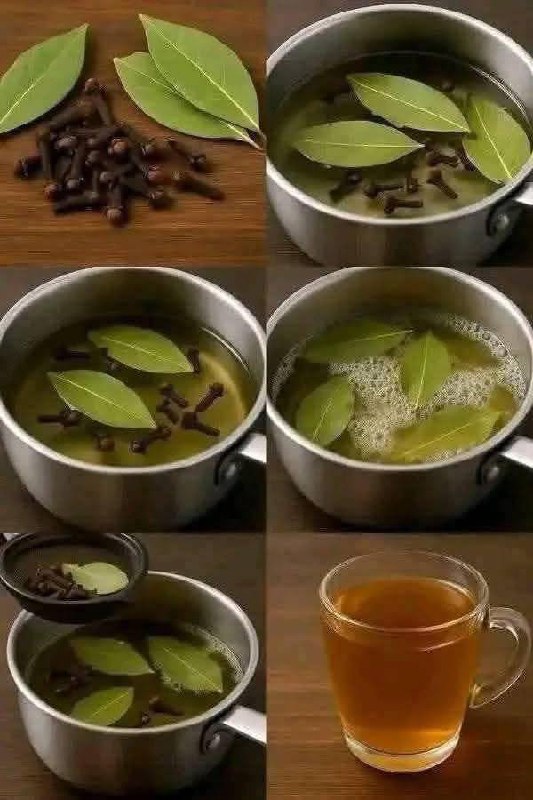
- Gather all your ingredients and necessary equipment, including a small saucepan, a fine-mesh strainer, and your favorite mug. Ensure your bay leaves are clean and your cloves are whole and fragrant.
- Carefully place the 3-4 bay leaves and 5-7 whole cloves into the saucepan.
- Pour the 2 cups of filtered water over the bay leaves and cloves in the saucepan.
- Place the saucepan over medium-high heat on your stovetop. Bring the mixture to a gentle boil. As soon as it reaches a boil, reduce the heat to low.
- Allow the tea to simmer gently for 5-10 minutes. This simmering process is crucial for allowing the flavors and aromas of the bay leaves and cloves to properly infuse into the water without becoming bitter. You’ll notice the water begin to take on a light golden hue and a wonderfully fragrant steam will rise from the pot.
- Once the simmering time is complete, remove the saucepan from the heat. For an even stronger flavor, you can let the tea steep off the heat for an additional 2-3 minutes. This allows the botanicals to continue releasing their essences into the hot water.
- Carefully position your fine-mesh strainer over your serving mug or a heatproof pitcher. Slowly pour the steeped tea through the strainer, ensuring all the solid bay leaves and cloves are caught and separated from the liquid.
- Discard the used bay leaves and cloves. Your aromatic Bay Leaf and Clove Herbal Tea is now ready to be enjoyed.
- If desired, stir in 1-2 teaspoons of honey or maple syrup to sweeten the tea to your preference. You can also add a squeeze of fresh lemon juice for a bright, tangy note, or a small cinnamon stick for an extra layer of warmth and spice.
- Serve immediately and savor the comforting warmth and unique flavor of your freshly brewed herbal elixir.
Cooking Tips and Variations
For the most vibrant and aromatic tea, always opt for fresh bay leaves if they are available. Fresh leaves tend to release a more nuanced and less intense flavor than dried ones. If using dried bay leaves, ensure they are relatively new and haven’t been sitting in your spice cabinet for years, as their potency diminishes over time. Similarly, whole cloves offer a far superior flavor to ground cloves, which can make the tea cloudy and introduce a powdery texture. When simmering, resist the urge to boil vigorously; a gentle simmer is sufficient to extract the flavors without over-extracting bitter notes. Taste the tea after 5 minutes of simmering and adjust the simmering time based on your preferred strength. Some prefer a lighter, more subtle infusion, while others enjoy a bolder, more pronounced flavor.
To personalize your Bay Leaf and Clove Herbal Tea, consider a few delightful variations. For an added layer of warmth and a touch of sweetness, a thin slice of fresh ginger can be simmered alongside the bay leaves and cloves. This creates a slightly spicier, more invigorating brew. A small piece of star anise can also be introduced during the simmering stage for a hint of licorice-like flavor, which pairs beautifully with the cloves. If you enjoy citrus, a few strips of orange peel (ensure it’s organic and well-washed to avoid pesticides) can add a bright, fragrant dimension. For those who prefer a creamier texture, a splash of warm milk or a dairy-free alternative like almond milk can be stirred in just before serving, transforming it into a comforting herbal latte. Experiment with different sweeteners too; agave nectar or even a pinch of stevia can be used as alternatives to honey or maple syrup.
Storage and Reheating
Bay Leaf and Clove Herbal Tea is best enjoyed fresh, immediately after brewing, when its aromas and flavors are at their peak. However, if you happen to have any leftovers, they can be stored for later enjoyment. Allow the tea to cool completely to room temperature before transferring it to an airtight container, such as a glass jar with a tight-fitting lid. Store the container in the refrigerator for up to 1-2 days. While the flavors may mellow slightly, it will still offer a comforting and aromatic experience.
When you’re ready to reheat your stored tea, you have a couple of options. The simplest method is to gently warm it in a small saucepan over low heat on the stovetop. Be careful not to bring it to a rolling boil again, as this can diminish some of the delicate flavors. Just warm it through until it reaches your desired drinking temperature. Alternatively, you can reheat it in the microwave in a microwave-safe mug. Heat in 30-second intervals, stirring in between, until it’s warm. Avoid overheating, as this can make the tea less enjoyable. You can also enjoy the stored tea chilled as a refreshing iced herbal drink on a warm day. Simply pour it over ice and add a slice of lemon or a fresh mint sprig for garnish.
Frequently Asked Questions
Can I use ground bay leaves or ground cloves for this tea?
While technically possible, it is strongly recommended to use whole bay leaves and whole cloves. Ground spices can make the tea cloudy, introduce a gritty texture, and often have a less vibrant and more one-dimensional flavor profile compared to their whole counterparts. Whole spices also allow for a more controlled infusion, preventing bitterness that can sometimes come from over-extracting ground spices.
Are there any potential side effects or precautions I should be aware of?
Bay leaf and clove herbal tea is generally considered safe for most healthy adults when consumed in moderation as a beverage. However, pregnant or breastfeeding women, individuals with underlying health conditions, or those taking medications should consult with a healthcare professional before incorporating new herbal teas into their routine. As with any food or drink, if you experience any adverse reactions, discontinue use immediately. Always ensure you are using culinary bay leaves (Laurus nobilis), as some ornamental bay varieties can be toxic.
How can I make this tea stronger or milder?
To make the tea stronger, you can either increase the number of bay leaves and whole cloves used, or extend the simmering and steeping time. For a bolder flavor, try simmering for 10-12 minutes and then steeping off the heat for an additional 5 minutes. Conversely, to make the tea milder, reduce the quantity of bay leaves and cloves, or shorten the simmering time to 3-5 minutes. It’s best to start with the recommended amounts and adjust in subsequent batches to find your perfect strength.