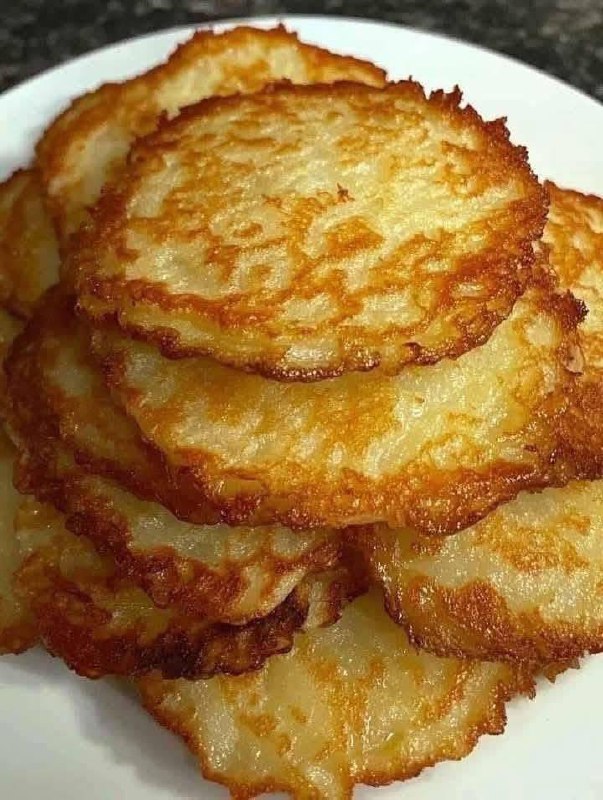
Instructions
- Prepare the Potatoes and Onion: Begin by peeling the potatoes. Using the large holes of a box grater or a food processor with a grating attachment, grate the peeled potatoes. Immediately grate the small yellow onion.
- Remove Excess Moisture: This is the most crucial step for crispy potato pancakes! Transfer the grated potatoes and onion to a clean kitchen towel or several layers of cheesecloth. Gather the edges and twist tightly, squeezing out as much liquid as possible. You’ll be surprised how much water comes out. The drier the mixture, the crispier your pancakes will be. Discard the liquid. Alternatively, you can place the mixture in a fine-mesh sieve and press down firmly with the back of a spoon.
- Combine Ingredients: Transfer the squeezed potato and onion mixture to a large mixing bowl. Add the lightly beaten egg, all-purpose flour, salt, black pepper, and the pinch of nutmeg (if using). Mix thoroughly with your hands or a spoon until all ingredients are well combined. The mixture should hold together when pressed.
- Heat the Oil: Pour the neutral oil into a large, heavy-bottomed skillet or cast-iron pan, ensuring there’s about 1/2 to 3/4 inch of oil. Heat the oil over medium-high heat until it reaches about 350-375°F (175-190°C). If you don’t have a thermometer, you can test the oil by dropping a tiny bit of batter into it; it should sizzle immediately and vigorously.
- Form and Fry the Pancakes: Working in batches to avoid overcrowding the pan, take about 2 tablespoons of the potato mixture per pancake. Gently flatten it into a disc about 3-4 inches in diameter and about 1/4 to 1/2 inch thick. Carefully place the pancakes into the hot oil. Do not overcrowd the pan, as this will lower the oil temperature and result in soggy pancakes. Leave enough space between each pancake.
- Cook Until Golden and Crispy: Fry the potato pancakes for 4-6 minutes per side, or until they are deeply golden brown and crispy. The cooking time may vary depending on the thickness of your pancakes and the heat of your oil. Adjust the heat as needed to prevent burning while ensuring they cook through.
- Drain Excess Oil: Once cooked, remove the potato pancakes from the pan with a slotted spatula and transfer them to a plate lined with paper towels to drain any excess oil.
- Keep Warm: As you fry subsequent batches, place the finished pancakes on a wire rack set over a baking sheet in a warm oven (around 200°F / 90°C) to keep them crispy and warm until all batches are cooked and ready to serve.
- Serve Immediately: German Potato Pancakes are best served hot and fresh. Offer them with traditional accompaniments such as applesauce and sour cream, or get creative with other toppings like a sprinkle of sugar, fresh chives, or even smoked salmon for a more elevated experience.
Cooking Tips and Variations
Achieving the perfect German Potato Pancake is an art, but one that is easily mastered with a few key tips. First and foremost, the choice of potato is critical. Starchy varieties like Russets (also known as Idaho potatoes) or Yukon Golds are your best friends here. Their high starch content contributes to that desirable crispy texture, while their lower water content makes them easier to dry out. Waxy potatoes, on the other hand, tend to result in a gummier pancake.
The single most important step for crispy Kartoffelpuffer is the removal of moisture. After grating your potatoes and onion, you absolutely must squeeze out as much liquid as possible. Use a sturdy kitchen towel or a few layers of cheesecloth. Don’t be shy; wring it out with all your might! The more liquid you remove, the crispier your pancakes will be. If your batter seems too wet even after squeezing, you can add another tablespoon of flour, but be careful not to add too much, as it can make the pancakes dense.
To prevent your grated potatoes from browning while you’re working, you can place them in a bowl of cold water with a splash of lemon juice or white vinegar for a few minutes after grating. Just remember to drain and squeeze them thoroughly afterward. This acidulation helps inhibit oxidation, keeping your pancakes looking bright and appealing.
When frying, maintain the correct oil temperature. If the oil isn’t hot enough, the pancakes will absorb too much oil and become greasy and soggy. If it’s too hot, the outside will burn before the inside cooks through. Medium-high heat is usually ideal, and a cooking thermometer can be a great asset here. Don’t overcrowd the pan; this lowers the oil temperature and prevents proper browning. Fry in batches, and allow the oil to come back up to temperature between batches.
For even cooking and maximum crispiness, aim for a consistent thickness for your pancakes, about 1/4 to 1/2 inch. Pressing them down slightly with the back of your spatula during frying can help achieve this and ensure good contact with the hot oil. Always drain your cooked pancakes on paper towels set over a wire rack. The rack allows air circulation, preventing the bottoms from steaming and becoming soggy.
While the classic recipe is perfect, feel free to experiment with variations. For a more savory profile, consider adding a pinch of garlic powder, a tablespoon of chopped fresh parsley or chives, or a tiny bit of smoked paprika to the batter. If you enjoy a bit of heat, a whisper of cayenne pepper can add a subtle kick. For a slightly richer pancake, some recipes call for a tablespoon of grated Parmesan cheese, though this deviates from the traditional German style. You can also experiment with other root vegetables, though the potato should always remain the star.
If you’re making a large batch for a crowd, keeping the cooked pancakes warm and crispy is essential. As mentioned in the instructions, a baking sheet with a wire rack in a low oven (around 200°F / 90°C) works wonderfully. This allows air to circulate and prevents condensation, which is the enemy of crispiness.
The type of oil you use also plays a role. A neutral-flavored oil with a high smoke point, such as vegetable, canola, or peanut oil, is best. Olive oil has a lower smoke point and a distinct flavor that might not complement the potato pancakes as well. Don’t be afraid to use a generous amount of oil; shallow frying ensures that the pancakes cook evenly and develop that beautiful golden crust.
Finally, remember that practice makes perfect. The first few pancakes might be a little trial and error, but you’ll quickly get a feel for the right consistency of the batter and the ideal frying temperature. Don’t get discouraged, and enjoy the delicious journey to mastering the best German Potato Pancakes!
Storage and Reheating
German Potato Pancakes are undeniably best when enjoyed fresh, hot, and crispy straight from the pan. However, if you find yourself with leftovers, they can be stored and reheated, though they may lose a little bit of their initial crispness. Proper storage and reheating techniques can help preserve their deliciousness.
To store leftover potato pancakes, allow them to cool completely to room temperature. This is crucial to prevent condensation, which can make them soggy. Once cooled, place them in an airtight container, separating layers with parchment paper to prevent sticking. Store them in the refrigerator for up to 2-3 days. While not ideal, they can also be frozen for longer storage. To freeze, arrange the cooled pancakes in a single layer on a baking sheet and freeze until solid. Once frozen, transfer them to a freezer-safe bag or container, again separating layers with parchment paper. They can be stored in the freezer for up to 1-2 months.
Reheating is where you can try to bring back some of that beloved crispiness. The microwave is generally not recommended for reheating potato pancakes, as it tends to make them soft and rubbery. The best methods involve dry heat.
The oven is an excellent choice for reheating. Preheat your oven to 375°F (190°C). Place the potato pancakes in a single layer on a baking sheet (you can line it with parchment paper for easier cleanup). Reheat for 8-12 minutes, flipping them halfway through, until they are heated through and have regained some crispiness. If reheating from frozen, you can place them directly in the preheated oven, adding an extra 5-10 minutes to the cooking time.
Another effective method for reheating is using a skillet on the stovetop. Heat a dry, non-stick skillet over medium heat. Place the potato pancakes in the skillet in a single layer and heat for 3-5 minutes per side, or until warmed through and crispy. You can add a tiny bit of oil to the pan if you wish, but often the residual oil on the pancakes is sufficient. This method works particularly well for smaller batches.
An air fryer is also a fantastic tool for reheating potato pancakes, often delivering results that are very close to freshly fried. Preheat your air fryer to 350°F (175°C). Place the pancakes in a single layer in the air fryer basket, ensuring not to overcrowd it. Cook for 5-8 minutes, flipping halfway, until they are hot and crispy. Frozen pancakes will require a few extra minutes.
No matter the reheating method, keep a close eye on them to prevent burning. While reheated potato pancakes may not be exactly the same as fresh, these methods will help you enjoy your delicious leftovers without too much compromise on texture and flavor.
Frequently Asked Questions
What kind of potatoes are best for German Potato Pancakes?
The best potatoes for German Potato Pancakes are starchy varieties like Russet (Idaho) or Yukon Gold potatoes. Their high starch content and relatively low moisture content contribute to a wonderfully crispy exterior and a tender, fluffy interior. Waxy potatoes, such as red or new potatoes, contain more moisture and less starch, which can result in a gummier, less crispy pancake.
How do I prevent my potato pancakes from becoming soggy?
The key to preventing soggy potato pancakes is to remove as much moisture as possible from the grated potatoes and onion before mixing the batter. After grating, place the mixture in a clean kitchen towel or cheesecloth and squeeze out every last drop of liquid. Additionally, ensure your frying oil is hot enough (around 350-375°F / 175-190°C) and avoid overcrowding the pan. Overcrowding lowers the oil temperature, leading to greasy, soggy pancakes. Finally, drain cooked pancakes on paper towels placed over a wire rack to allow air circulation and prevent steaming.
Can I make the potato pancake batter ahead of time?
It is generally not recommended to make the potato pancake batter too far in advance. Grated potatoes tend to oxidize and turn brown quickly when exposed to air. While you can add a splash of lemon juice or vinegar to the water you briefly soak them in to mitigate browning, the texture of the potatoes can also change, becoming softer. For the best results, grate the potatoes and mix the batter just before you plan to fry them. If you must prepare a little in advance, keep the grated potatoes submerged in cold water until ready to use, then drain and squeeze very thoroughly, and mix the batter immediately before frying.
What are traditional toppings for German Potato Pancakes?
The most traditional and popular toppings for German Potato Pancakes are applesauce (Apfelmus) and sour cream (Schmand or Saure Sahne). The sweet-tart applesauce provides a delightful contrast to the savory, crispy pancake, while the cool, tangy sour cream offers a rich creaminess. Other popular options include a sprinkle of granulated sugar, especially for a sweeter treat, or fresh chives for an herbaceous note. For a more substantial or gourmet option, smoked salmon is also a fantastic pairing, particularly with sour cream and dill.