Instructions
- Preheat your oven to 375°F (190°C). Line a 12-cup muffin tin with paper liners or tulip paper liners.
- First, prepare the streusel topping. In a small bowl, combine ½ cup all-purpose flour, ¼ cup brown sugar, and ¼ teaspoon ground cinnamon. Add the 3 tablespoons of cold, cubed butter.
- Using your fingertips or a pastry blender, cut the butter into the dry ingredients until the mixture resembles coarse crumbs with some pea-sized pieces. Set aside.
- In a large bowl, whisk together the dry muffin ingredients: 1 ½ cups all-purpose flour, ½ cup protein powder, ½ cup granulated sugar, 1 tablespoon baking powder, and ½ teaspoon salt. Make sure there are no lumps, especially from the protein powder.
- In a separate medium bowl, whisk together the wet muffin ingredients: 1 large egg, ¾ cup milk, ¼ cup melted and cooled butter, and 1 teaspoon vanilla extract. Whisk until well combined.
- Pour the wet ingredients into the dry ingredients. Mix with a spatula or wooden spoon just until combined. Be careful not to overmix; a few lumps are okay. Overmixing can lead to tough muffins.
- In a small bowl, gently toss the 1 ½ cups of blueberries with the remaining 1 tablespoon of all-purpose flour. This step helps prevent the blueberries from sinking to the bottom of the muffins during baking.
- Gently fold the floured blueberries into the muffin batter. Stir just enough to distribute them evenly.
- Divide the muffin batter evenly among the 12 prepared muffin cups. An ice cream scoop works perfectly for this to ensure even portions. Fill each cup about two-thirds full.
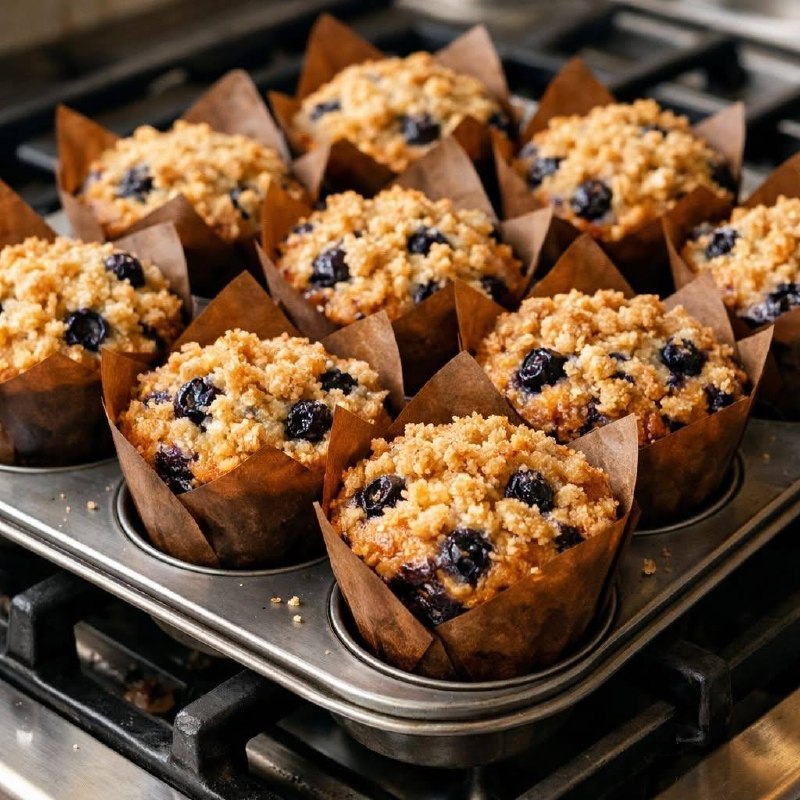
- Generously sprinkle the prepared streusel topping over the top of each muffin cup. Press it lightly onto the batter if desired, but don’t compact it too much.
- Bake for 20-25 minutes, or until a wooden skewer or toothpick inserted into the center of a muffin comes out clean. The tops should be golden brown and the streusel slightly crispy.
- Remove the muffin tin from the oven and let the muffins cool in the tin for 5-10 minutes before transferring them to a wire rack to cool completely.
Cooking Tips and Variations
For the best results with your Blueberry Streusel Protein Muffins, several factors can make a big difference. Firstly, ensure your ingredients, especially the egg and milk, are at room temperature. This helps them incorporate more smoothly into the batter, leading to a more uniform texture and better rise. When mixing the batter, remember that less is more. Overmixing develops the gluten in the flour, resulting in tough, chewy muffins. Mix only until the dry and wet ingredients are just combined; a few lumps are perfectly acceptable and often desirable for a tender crumb.
To prevent your blueberries from sinking to the bottom of the muffins, lightly toss them in a tablespoon of flour before folding them into the batter. This creates a thin coating that helps them suspend evenly throughout the muffin. For the streusel, using cold butter is crucial. It creates those lovely, crumbly pockets of sweetness and texture rather than melting into the batter. If your streusel seems too fine or too clumpy, you can adjust with a tiny bit more flour or butter, respectively.
Don’t be afraid to experiment with variations! For a zesty twist, add 1 tablespoon of lemon zest to the muffin batter; lemon and blueberry are a classic pairing. You could also swap out the blueberries for other berries like raspberries or mixed berries. For an extra layer of flavor, consider adding ½ teaspoon of almond extract along with the vanilla. If you prefer a nuttier streusel, finely chop 2 tablespoons of pecans or walnuts and add them to the streusel mixture. Different types of protein powder can also be used; just be aware that some plant-based proteins might absorb more moisture, so you might need to add an extra tablespoon or two of milk to achieve the right batter consistency.
Storage and Reheating
Proper storage is key to keeping your Blueberry Streusel Protein Muffins fresh and delicious. Once completely cooled, store the muffins in an airtight container at room temperature for up to 3 days. To maintain their freshness longer, you can add a paper towel to the bottom of the container to absorb any excess moisture, preventing them from becoming soggy. If you live in a humid climate or want to extend their shelf life, you can refrigerate them for up to a week. However, refrigeration can sometimes dry out muffins, so bring them to room temperature before enjoying for the best texture.
These muffins also freeze exceptionally well, making them perfect for meal prepping. Once completely cooled, place the muffins in a single layer on a baking sheet and freeze for about an hour until firm. This prevents them from sticking together. Then, transfer the frozen muffins to a freezer-safe bag or airtight container. They can be stored in the freezer for up to 3 months. When you’re ready to enjoy one, simply remove it from the freezer and let it thaw at room temperature for a few hours, or warm it up. For reheating, you can microwave a muffin for 20-30 seconds until warm, or for a crispier streusel, warm it in a toaster oven or conventional oven at 300°F (150°C) for 5-10 minutes.
Frequently Asked Questions
Can I use frozen blueberries without thawing them?
Yes, absolutely! It’s actually recommended to use frozen blueberries directly from the freezer. Do not thaw them, as this can cause them to bleed their color into the batter and make the muffins too wet. Just toss them with a tablespoon of flour as directed in the recipe before folding them into the batter.
What type of protein powder works best for these muffins?
Vanilla-flavored whey protein powder or a vanilla plant-based protein powder (like pea or soy protein) works very well in this recipe. Different protein powders can absorb liquid differently, so if your batter seems too thick, you might need to add an extra tablespoon or two of milk until it reaches a thick, scoopable consistency. Avoid unflavored protein powder unless you add a bit more vanilla extract or adjust the sugar to compensate for the lack of sweetness.
My muffins turned out dry. What went wrong?
Dry muffins are usually a result of overmixing the batter or overbaking. When you mix the wet and dry ingredients, stop as soon as they are just combined; a few lumps are fine. Overmixing develops the gluten, leading to a tough, dry texture. Also, ovens can vary, so start checking for doneness at the lower end of the baking time (around 20 minutes) and remove them as soon as a toothpick comes out clean. Baking them for too long will also dry them out.
Can I make these muffins gluten-free?
Yes, you can! Substitute the all-purpose flour with a 1:1 gluten-free baking flour blend that contains xanthan gum. The texture might be slightly different, but the muffins should still turn out delicious. Ensure your protein powder is also gluten-free if you have a sensitivity.