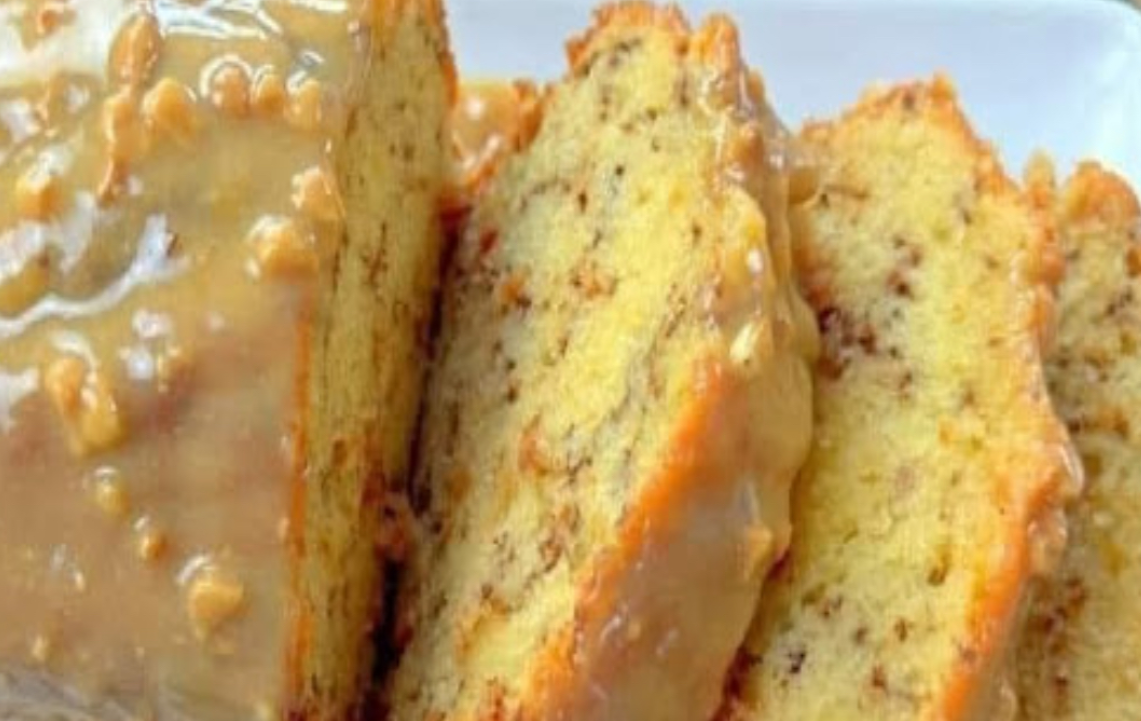
🍋✨ The Ultimate Lemon Coconut Cake Guide: Soft, Fluffy, and Bursting with Tropical Flavor
If you love desserts that feel like sunshine on a plate, you’re about to fall in love with this **Lemon Coconut Cake**. Bright lemon zest and juice combine with creamy coconut for a dessert that’s perfect for spring dinners, summer celebrations, or anytime you want something sweet, light, and refreshing. But this isn’t just a recipe — it’s a **complete guide** to understanding the ingredients, techniques, tips from pro bakers and nutrition experts, common mistakes to avoid, FAQs, and ways to serve and store this cake so it always turns out beautifully.
🍰 Why This Cake Is Special
At first glance, this cake might look simple: a lemon‑infused batter with a touch of coconut sweetness on top. But the magic is in the layers — a custard‑enhanced batter that keeps the cake moist and tender, real lemon zest for aromatic citrus flavor, and a sweet coconut‑honey finishing touch that adds a tropical flair. This isn’t just a cake you bake — it’s a cake you enjoy from start to finish.
Chef Maria Lawson, pastry expert and baking instructor, says: “The combination of citrus and coconut is one of the most refreshing in baking. The key to a great lemon coconut cake is balancing moisture without making the batter too dense.”
That balance starts with understanding your ingredients, how they interact, and the techniques that make this cake rise beautifully and stay tender.
📋 Ingredient Breakdown: What Each Does and Why It Matters
Let’s go beyond the list and talk about why each ingredient is there and how it contributes to the cake’s success.
| Ingredient | Amount | Role in Recipe | Functional Benefit |
|---|---|---|---|
| Lemon zest | 1 lemon | Flavoring | Adds bright citrus aroma and natural oils |
| Milk | 240 ml (8 fl oz) | Liquid base | Hydrates dry ingredients; adds tenderness |
| Egg (for custard) | 1 | Emulsifier | Adds richness and helps thicken custard |
| Sugar (custard) | 60 g (2 oz) | Sweetener | Balances tanginess; sweetens filling |
| Cornstarch | 20 g (0.7 oz) | Thickener | Makes custard thick and smooth |
| Eggs (cake) | 3 | Structure & leavening | Helps cake rise and gives texture |
| Sugar (cake) | 150 g (5.2 oz) | Sweetener & structure | Adds sweetness and tender crumb |
| Vegetable oil | 150 ml | Fat | Moisture and softness |
| Lemon juice | From 1 lemon | Acid & flavor | Brightens flavor and reacts with baking soda |
| Flour | 250 g | Structure | Provides body and texture |
| Baking soda | 15 g (0.5 oz) | Leavening | Makes cake light and fluffy |
| Honey | 15 g (0.5 oz) | Topping sweetener | Adds moisture and shine |
| Dried coconut | 10 g (0.35 oz) | Topping | Adds texture and coconut flavor |
🥄 Step‑by‑Step Instructions — How to Make This Lemon Coconut Cake
1. Prepare the Lemon Milk
Start by peeling the zest from one lemon. Try to avoid the bitter white pith — you want just the bright yellow zest. Set it aside for the cake batter later.
Warm the milk on the stove until it’s warm to the touch but not boiling — this prevents curdling when mixed with egg. Set aside to cool to room temperature.
2. Make the Custard
In a medium pot, whisk together:
- 1 egg
- 60 grams (2 ounces) sugar
- 20 grams (0.7 ounces) cornstarch
Gradually stir in the cooled milk while whisking constantly. Cook over medium heat, stirring continuously, until the mixture becomes thick and creamy. This is your custard base — the secret to extra moisture and richness in the cake.
Once thick, remove from heat and set aside.
3. Heat Your Oven
Preheat the oven to 180°C (350°F). Grease and flour your cake pan so the cake won’t stick.
4. Mix the Cake Batter
In a large bowl, whisk together:
- 3 eggs
- 150 g (5.2 oz) sugar
Whisk until the mixture becomes light and fluffy — this adds air and helps your cake rise.
Add:
- 150 ml (5 fl oz) vegetable oil
- Juice from 1 lemon
- Lemon zest
Mix thoroughly so everything combines evenly.
5. Add Dry Ingredients
Now slowly add:
- 250 g (8.8 oz) flour
- 15 g (0.5 oz) baking soda
Mix until just combined. Do not overmix; that can make the cake dense instead of fluffy.
6. Combine Custard and Batter
Carefully fold your prepared custard into the cake batter. Use gentle motions to keep the batter light.
7. Bake
Pour the mixture into the prepared cake pan. Place in the preheated oven and bake for 40 minutes or until a toothpick inserted into the center comes out clean.
Let the cake cool in the pan for about 10 minutes, then transfer it to a wire rack to cool completely.
8. Add the Topping
Warm 15 g (0.5 oz) honey until it’s easy to pour, then drizzle it over the cooled cake. Sprinkle 10 g (0.35 oz) dried coconut on top so it sticks to the honey.
🍽️ Ways to Serve
- Serve a slice warm with a spoonful of whipped cream or a scoop of vanilla ice cream.
- Pair with afternoon tea or a cup of coffee for a lovely snack.
- Add fresh berries on the side for seasonal brightness.
🍋 Tips From the Pros
- Warm, not hot milk: Pouring hot milk into eggs can curdle them. Let the milk cool slightly before mixing.
- Gentle folding: When you add custard to batter, fold gently to keep your cake light and airy.
- Check doneness: The toothpick test is your best friend — when it comes out clean, your cake is done.
- Fresh zest: Zest adds powerful lemon aroma — fresh is always better than pre‑packaged.
🥕 Nutrition & Food Information
This cake is a vegetarian dessert containing milk and eggs, so it’s not suitable for people with dairy or egg allergies. It’s rich in flavor and texture, making it a special treat rather than an everyday food.
Nutritionist Sarah Coleman notes, “This cake provides protein from eggs and some healthy fats from coconut. Enjoy it as part of a balanced meal or celebration rather than as a daily dessert.”
🚫 Common Mistakes and How to Avoid Them
- Curdled custard: If milk is too hot when mixed with egg, it can scramble. Let it cool first.
- Dense cake: Overmixing after adding flour can make the texture heavy. Mix gently and just until combined.
- Dry edges: Check oven temperature; too hot can dry the outside before the center is cooked.
❓10 Detailed FAQs
1. Can I use buttermilk instead of milk?
Yes — buttermilk adds a tangy flavor and can make the cake tender. You may need to adjust baking soda slightly because of acidity.
2. Why add custard to a cake?
Custard adds extra moisture and richness, making the cake tender and flavorful.
3. Can I use coconut milk?
Yes! Coconut milk enhances coconut flavor but be mindful it may change texture slightly.
4. How long does the cake keep?
At room temperature in a sealed container: up to 3 days. In the fridge: up to a week.
5. Can I freeze it?
Yes — wrap well and freeze up to 2 months. Thaw before serving.
6. Can I skip the honey topping?
Yes — you can use powdered sugar or sweet glaze instead.
7. Can I add shredded coconut in the batter?
Absolutely — up to ¼ cup for extra coconut flavor.
8. Why did my cake sink?
Opening the oven door too early or under‑baking can cause sinking.
9. Can I make cupcakes instead?
Yes! Bake at 180°C (350°F) for 18–22 minutes.
10. What pairs well with this cake?
Fresh berries, lemon curd, whipped cream, or a cup of tea or coffee.
🎉 Final Thoughts
This Lemon Coconut Cake is a dessert that feels both homey and special. With tangy lemon, sweet coconut, and a moist, custard‑enhanced crumb, it’s a crowd‑pleaser for any occasion. Bake it for spring brunch, summer parties, or whenever you want a sweet treat with a tropical twist.
Keep experimenting, share it with friends and family, and enjoy every bright, flavorful slice! 🍰✨