Introduction
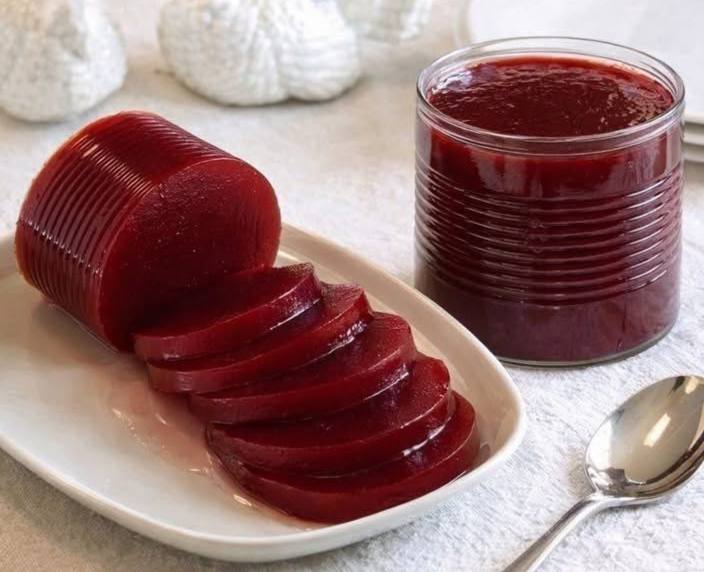
Ah, the holidays! For many, the mere mention conjures images of festive lights, cozy gatherings, and a feast for the ages. And nestled amongst the glistening turkey, fluffy mashed potatoes, and savory stuffing, there often sits a peculiar, yet utterly iconic, culinary creation: canned cranberry sauce. It’s the jiggly, ruby-red log, complete with those unmistakable ridges, that slides out of its tin can with a satisfying plop. For some, it’s a nostalgic cornerstone of the holiday table, a familiar comfort food that evokes childhood memories. For others, it’s a curious anomaly, a testament to a bygone era of convenience foods. Love it or playfully debate it, there’s no denying its unique place in our holiday traditions.
This isn’t just any cranberry sauce; it’s a specific kind of magic. The firmness, the smooth, seedless texture, that distinct sweet-tart flavor – it all contributes to an experience unlike any other. While homemade cranberry sauce often boasts whole berries and a looser consistency, the canned version holds a special, almost revered, spot. But what if you could capture that very essence, those signature ridges and that delightful jiggle, right in your own kitchen? What if you could control the sweetness, avoid unnecessary additives, and still achieve that beloved, nostalgic form?
That’s precisely what we’re aiming for today. This recipe isn’t just about making cranberry sauce; it’s about recreating a legend. We’ll dive into the secrets behind that distinctive ridged log, offering a guide to mold your own homemade version that pays perfect homage to the classic. We’ll also provide an option for a slightly smoother, more rustic “homage” version for those who prefer a less rigid, yet equally delicious, outcome. Get ready to impress your holiday guests (or simply indulge your own nostalgic cravings) with the most iconic cranberry sauce around!
Nutritional Information
Per serving (approximate values for 1/4 cup):
- Calories: 130
- Protein: 0.5g
- Carbohydrates: 33g
- Fat: 0g
- Fiber: 2g
- Sodium: 2mg
Ingredients
- 12 ounces (about 3 cups) fresh or frozen cranberries
- 1 cup granulated sugar (adjust to taste, see tips)
- 1 cup water (or orange juice for added flavor)
- 1/4 teaspoon salt
- 1-2 tablespoons lemon juice (freshly squeezed, to enhance pectin and brightness)
- Optional: 1 teaspoon orange zest (for the smoother homage version)
- Optional: Pinch of ground cinnamon or other warming spices
Instructions
- Prepare Your Mold (for the Ridged Log): If you’re aiming for the classic ridged log, thoroughly wash and dry a standard 15-ounce food can (like a vegetable or bean can). Carefully remove both ends with a can opener. Lightly grease the inside of the can with a neutral oil or non-stick cooking spray. This step is crucial for easy release. Set aside on a plate.
- Combine Ingredients: In a medium saucepan, combine the cranberries, granulated sugar, water (or orange juice), and salt. If using, add any optional spices like cinnamon at this stage.
- Cook the Cranberries: Place the saucepan over medium heat. Bring the mixture to a gentle boil, stirring occasionally. Once boiling, reduce the heat to low and simmer, stirring frequently, for 10-15 minutes. The cranberries will begin to burst, and the mixture will thicken.
- Achieve Smoothness: For the classic ridged log texture, you’ll want a very smooth sauce. Use a potato masher or the back of a spoon to thoroughly mash any remaining whole cranberries in the pot. For an even smoother consistency, you can carefully transfer the mixture to a blender or food processor and pulse until completely smooth. Alternatively, pass the mixture through a fine-mesh sieve to remove any skins or seeds, pressing down with a spatula to extract all the pulp. This step is optional for the smoother homage version, where a few small berry pieces are acceptable.
- Add Lemon Juice: Stir in the lemon juice. This helps activate the pectin in the cranberries, which is essential for proper gelling. If making the smoother homage version, you can also stir in the orange zest now.
- Test for Set (Optional but Recommended): To check if your sauce will set properly, spoon a small amount onto a cold plate and place it in the freezer for 1-2 minutes. If it wrinkles when you push it with your finger, it’s ready. If it’s too runny, continue to simmer for a few more minutes.
- Fill the Mold (for the Ridged Log): Carefully pour the hot cranberry mixture into your prepared can mold. Tap the can gently on the counter a few times to release any air bubbles and ensure the sauce fills all the crevices.
- Chill and Set: Allow the can to cool to room temperature on the counter for about 30 minutes. Then, transfer the can (still on its plate) to the refrigerator and chill for at least 4 hours, or preferably overnight, until completely firm and set. For the smoother homage version, simply pour the sauce into a clean jar or serving bowl, allow to cool, then refrigerate.
- Release the Log: Once thoroughly chilled, run a thin knife around the inside edge of the can to loosen the sauce. Place a serving plate on top of the open end of the can, then invert the can and plate together. Gently push the cranberry log out of the can. If it’s stubborn, you might need to gently squeeze the can sides or run a warm cloth around the outside for a few seconds. The iconic ridges should now be visible!
- Slice and Serve: Use a sharp, thin knife to slice the cranberry log into individual rounds. For the smoother homage version, simply spoon it into a serving dish. Serve cold or at room temperature alongside your holiday feast!
Cooking Tips and Variations
Sweetness Adjustment: Canned cranberry sauce is famously sweet. This recipe starts with a moderate amount of sugar. Taste your cranberries before cooking; some are more tart than others. You can always add an extra 1/4 to 1/2 cup of sugar during simmering if you prefer a sweeter sauce. Remember, the flavor will concentrate as it cools.
Achieving the Perfect Log: The key to those distinct ridges is a fully released, well-chilled log. Don’t rush the chilling process; overnight is truly best. If you don’t have an empty can, you can use any cylindrical mold, but the ridges are part of the fun!
Enhancing Flavor: For a brighter, more complex flavor, replace half the water with fresh orange juice. A teaspoon of orange zest added at the end of cooking will also elevate the aroma. For a warmer profile, consider adding a pinch of ground cloves, allspice, or a small piece of star anise to the pot while simmering (remove the star anise before puréeing).
Adult-Friendly Variations: For a sophisticated twist, stir in a tablespoon or two of port wine, Grand Marnier, or even a good quality bourbon after the sauce has finished cooking and you’ve removed it from the heat. The alcohol will evaporate slightly, leaving behind a wonderful depth of flavor.
Texture Control: If you prefer a sauce with a little more texture (like the smoother homage version), you can skip the fine-mesh sieve step and just mash the cranberries well with a potato masher. This will leave some small pieces of cranberry skin for a more rustic feel.
Storage and Reheating
Storage: Store your homemade cranberry sauce in an airtight container in the refrigerator for up to 1-2 weeks. The ridged log can be stored whole or pre-sliced, covered tightly.
Reheating: Cranberry sauce is traditionally served cold or at room temperature, making it a perfect make-ahead dish. If you absolutely wish to warm it, gently heat it in a saucepan over low heat, stirring occasionally, until just warm. Be careful not to overheat, as this can affect the set of the gel. The ridged log is best enjoyed cold to maintain its shape.
Frequently Asked Questions
Can I use frozen cranberries?
Absolutely! Fresh or frozen cranberries work equally well in this recipe. There’s no need to thaw frozen cranberries before adding them to the saucepan; they will thaw and cook down as the mixture heats.
My cranberry sauce didn’t set. What went wrong?
The most common reasons for a runny cranberry sauce are not enough natural pectin (which is activated by sugar and acid), not cooking it long enough to concentrate, or not chilling it sufficiently. Ensure you’ve added the lemon juice, cooked the mixture until it visibly thickens, and given it ample time to chill in the refrigerator (at least 4 hours, overnight is best).
Can I make this recipe without the sugar?
While you can reduce the sugar, it plays a crucial role in both the flavor balance and the gelling process (pectin needs sugar to set properly). Cranberries are very tart, so a certain amount of sugar is necessary for palatability. If you wish to reduce sugar significantly, you might need to add a small amount of commercial pectin to help it set, or simply embrace a looser, jam-like consistency.
What can I do with leftover cranberry sauce?
Leftover cranberry sauce is a holiday treasure! It’s fantastic on turkey or ham sandwiches, swirled into yogurt or oatmeal, used as a glaze for chicken or pork, incorporated into baked goods like muffins or quick breads, or even blended into a festive smoothie. Don’t let a single spoonful go to waste!