Introduction
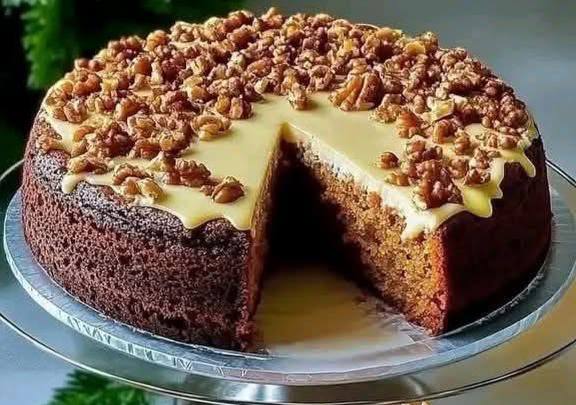
There are few desserts as comforting and universally loved as a classic carrot cake. Its humble origins might suggest simplicity, but the magic truly lies in its ability to deliver a symphony of flavors and textures with every forkful. This isn’t just any carrot cake; this is a recipe for a truly moist, incredibly flavorful, and perfectly spiced carrot walnut cake that will quickly become a cherished favorite in your kitchen. Forget dry, bland versions you might have encountered; our recipe focuses on creating a cake that is supremely tender, bursting with warm spices, and studded with the delightful crunch of walnuts, all crowned with a luscious, pourable glaze.
What makes this particular carrot walnut cake so special? It’s the meticulous balance. We’re not just throwing ingredients together; we’re crafting a dessert where each component plays a vital role. The natural sweetness and moisture from fresh carrots are elevated by a harmonious blend of spices, while the walnuts add an essential earthy depth and textural intrigue. The result is a cake that is rich without being heavy, sweet without being cloying, and so incredibly moist it practically melts in your mouth. Whether you’re a seasoned baker or just starting your culinary journey, this recipe is designed for success, guiding you through each step to achieve a show-stopping dessert that tastes even better than it looks.
Carrot cake has a fascinating history, with roots tracing back to medieval times when carrots were used as a sweetener in puddings. It truly gained popularity in the 20th century, becoming a beloved staple in bakeries and home kitchens alike. Our recipe honors this tradition while ensuring an unparalleled experience. It’s the kind of cake that evokes warmth, nostalgia, and pure indulgence – perfect for celebrations, a cozy afternoon treat, or simply because you deserve something delicious. Prepare to impress your friends and family (or simply yourself!) with this irresistible, perfectly balanced carrot walnut cake.
Nutritional Information
Per serving (approximate values):
- Calories: 450
- Protein: 5g
- Carbohydrates: 55g
- Fat: 25g
- Fiber: 3g
- Sodium: 250mg
Ingredients
- For the Cake:
- 2 cups (240g) all-purpose flour
- 1 teaspoon baking soda
- 1 teaspoon baking powder
- 1/2 teaspoon salt
- 1 tablespoon ground cinnamon
- 1 teaspoon ground nutmeg
- 1/2 teaspoon ground ginger
- 1/4 teaspoon ground cloves (optional, for deeper spice)
- 1 1/2 cups (300g) granulated sugar
- 1/2 cup (100g) packed light brown sugar
- 4 large eggs, at room temperature
- 1 cup (240ml) vegetable oil (or other neutral oil like canola)
- 1/2 cup (120g) unsweetened applesauce (or 1/2 cup additional oil for extra richness)
- 2 cups (about 2-3 medium carrots) finely grated carrots
- 1 cup (120g) chopped walnuts, plus more for garnish
- 1 teaspoon vanilla extract
- For the Glaze:
- 2 cups (240g) powdered sugar (confectioners’ sugar)
- 3-4 tablespoons milk (whole milk or half-and-half works best)
- 1/2 teaspoon vanilla extract
- 1 tablespoon unsalted butter, melted (optional, for richer glaze)
- Pinch of salt
Instructions
- Preheat your oven to 350°F (175°C). Grease and flour a 9-inch round cake pan, or line the bottom with parchment paper and grease the sides.
- In a large bowl, whisk together the all-purpose flour, baking soda, baking powder, salt, ground cinnamon, ground nutmeg, ground ginger, and optional ground cloves. Set aside.
- In another large bowl, combine the granulated sugar and light brown sugar. Add the eggs one at a time, whisking well after each addition until light and fluffy.
- Pour in the vegetable oil and applesauce (if using), and add the vanilla extract. Whisk until fully incorporated and smooth.
- Gradually add the dry ingredients to the wet ingredients, mixing on low speed or by hand with a spatula until just combined. Be careful not to overmix; a few streaks of flour are okay.
- Gently fold in the finely grated carrots and chopped walnuts until evenly distributed throughout the batter.
- Pour the cake batter into the prepared cake pan and spread evenly.
- Bake for 30-35 minutes, or until a wooden skewer or toothpick inserted into the center of the cake comes out clean.
- Remove the cake from the oven and let it cool in the pan on a wire rack for 10-15 minutes.
- After cooling slightly, carefully invert the cake onto the wire rack to cool completely before glazing. This is crucial; glazing a warm cake will cause the glaze to melt and disappear.
- While the cake cools, prepare the glaze. In a medium bowl, whisk together the powdered sugar, 3 tablespoons of milk, vanilla extract, melted butter (if using), and a pinch of salt.
- Add more milk, 1 teaspoon at a time, if needed, until you reach a pourable but still thick consistency. You want it to slowly drizzle off a spoon, not run like water.
- Once the cake is completely cool, place the wire rack with the cake over a baking sheet (to catch any drips). Pour the glaze evenly over the top of the cake, allowing it to drip down the sides.
- Immediately sprinkle additional chopped walnuts over the wet glaze for garnish.
- Allow the glaze to set for about 15-30 minutes before slicing and serving.
Cooking Tips and Variations
To achieve the ultimate moistness in your carrot walnut cake, several factors are key. Firstly, don’t skimp on the oil; it’s a primary contributor to the cake’s tenderness and keeps it from drying out. Using unsweetened applesauce as a partial substitute for oil also adds moisture without excess fat, and can even contribute a subtle fruitiness. Secondly, avoid overmixing the batter at all costs. Once the wet and dry ingredients are combined, mix only until no streaks of flour remain. Overmixing develops gluten, leading to a tough, dense cake rather than the light, tender crumb we’re aiming for. Lastly, trust your oven thermometer and the toothpick test; pulling the cake out too early will result in a gooey center, but baking it too long will dry it out. A slightly moist crumb visible on the toothpick often indicates perfect doneness, as the cake will continue to cook slightly from residual heat as it cools.
For flavor enhancements, consider toasting your walnuts before adding them to the batter and as a garnish. A quick toast in a dry skillet or a few minutes in a 350°F (175°C) oven will bring out their nutty aroma and deepen their flavor significantly. Don’t be afraid to adjust the spice levels to your preference; if you love a bolder, warmer cake, you can increase the cinnamon, nutmeg, or even add a touch more ginger or allspice. For an extra bright note, consider adding the zest of one orange or lemon to the cake batter. Citrus zest complements the spices beautifully and adds a lovely aromatic lift. If you prefer a richer, tangier topping than the simple pourable glaze, a classic cream cheese frosting is always a fantastic alternative. Simply beat together 8 ounces of softened cream cheese, 1/2 cup (1 stick) softened unsalted butter, 4 cups powdered sugar, and 1 teaspoon vanilla extract until smooth and fluffy. This can be spread generously over the cooled cake.
Beyond the classic, carrot cake is wonderfully adaptable. For a boost of sweetness and chewiness, you can add 1/2 cup of drained crushed pineapple to the batter, which also contributes to the cake’s moisture. Golden raisins or dried cranberries can also be folded in with the carrots and walnuts for extra texture and a different fruity note. For those with dietary restrictions, many gluten-free all-purpose flour blends can be used as a direct substitute for the regular flour, though you might need to adjust baking time slightly. To make it vegan, replace the eggs with flax eggs (1 tablespoon ground flaxseed meal + 3 tablespoons water per egg, let sit for 5 minutes), use a plant-based milk for the glaze, and ensure your sugar is vegan-certified. Experimentation is part of the fun of baking, so feel free to make this recipe your own!
Storage and Reheating
Storing your carrot walnut cake properly is essential to maintain its moisture and flavor. Once the glaze has set, you can cover the cake loosely with plastic wrap or aluminum foil. If your glaze contains butter or dairy, or if you’ve opted for a cream cheese frosting, it’s best to store the cake in an airtight container in the refrigerator. It will stay fresh for up to 3-4 days when refrigerated. If your glaze is a simple powdered sugar and milk mixture without butter or cream cheese, the cake can be stored at room temperature, covered, for 1-2 days, though refrigeration will extend its freshness. For longer storage, the cake can be frozen. Wrap individual slices or the entire cake (without glaze, if possible, or with a well-set glaze) tightly in plastic wrap, then an additional layer of aluminum foil. It can be frozen for up to 2-3 months. Thaw frozen cake overnight in the refrigerator before serving.
When it comes to serving, this carrot walnut cake is often best enjoyed at room temperature, as this allows the flavors to fully bloom and the cake to be at its most tender. If stored in the refrigerator, remove it at least 30 minutes to an hour before serving to allow it to come to room temperature. Reheating usually isn’t necessary for this type of cake, as it’s designed to be enjoyed cool or at room temperature. However, if you prefer a slightly warmed slice, you can gently heat individual portions in the microwave for 10-15 seconds, being careful not to overheat, which can dry out the cake. A warm slice pairs beautifully with a scoop of vanilla ice cream or a dollop of whipped cream, making it an even more decadent treat.
Frequently Asked Questions
Can I use pre-shredded carrots from the store?
While convenient, pre-shredded carrots from the store are often drier and thicker than freshly grated carrots. For the best moisture and texture in your cake, we highly recommend grating your own carrots. If you must use pre-shredded, you might want to add an extra tablespoon or two of applesauce or oil to the batter to compensate for potential dryness.
My cake dome in the middle, what happened?
A cake that domes in the middle and cracks usually indicates that your oven temperature is too high. The outside edges cook and set too quickly, while the middle continues to rise, creating a dome. To prevent this, ensure your oven thermostat is accurate (an oven thermometer can help), and consider reducing the temperature by 25°F (15°C) next time. You can also try wrapping the outside of your pan with a damp towel or “cake strip” to encourage more even baking.
Can I make this into cupcakes?
Absolutely! This recipe adapts beautifully to cupcakes. Line a 12-cup muffin tin with paper liners and fill each about two-thirds full with batter. Bake for approximately 20-25 minutes, or until a toothpick inserted into the center comes out clean. The yield will be around 18-24 cupcakes, depending on how full you fill them. You can then drizzle them with the glaze or top with a cream cheese frosting.
How can I make sure my walnuts don’t sink to the bottom?
To prevent walnuts (or any heavier additions like raisins) from sinking, toss them with a tablespoon or two of the dry flour mixture before folding them into the batter. The flour lightly coats the nuts, helping them suspend more evenly throughout the cake as it bakes. Toasting them beforehand also helps lighten them slightly and enhances their flavor.