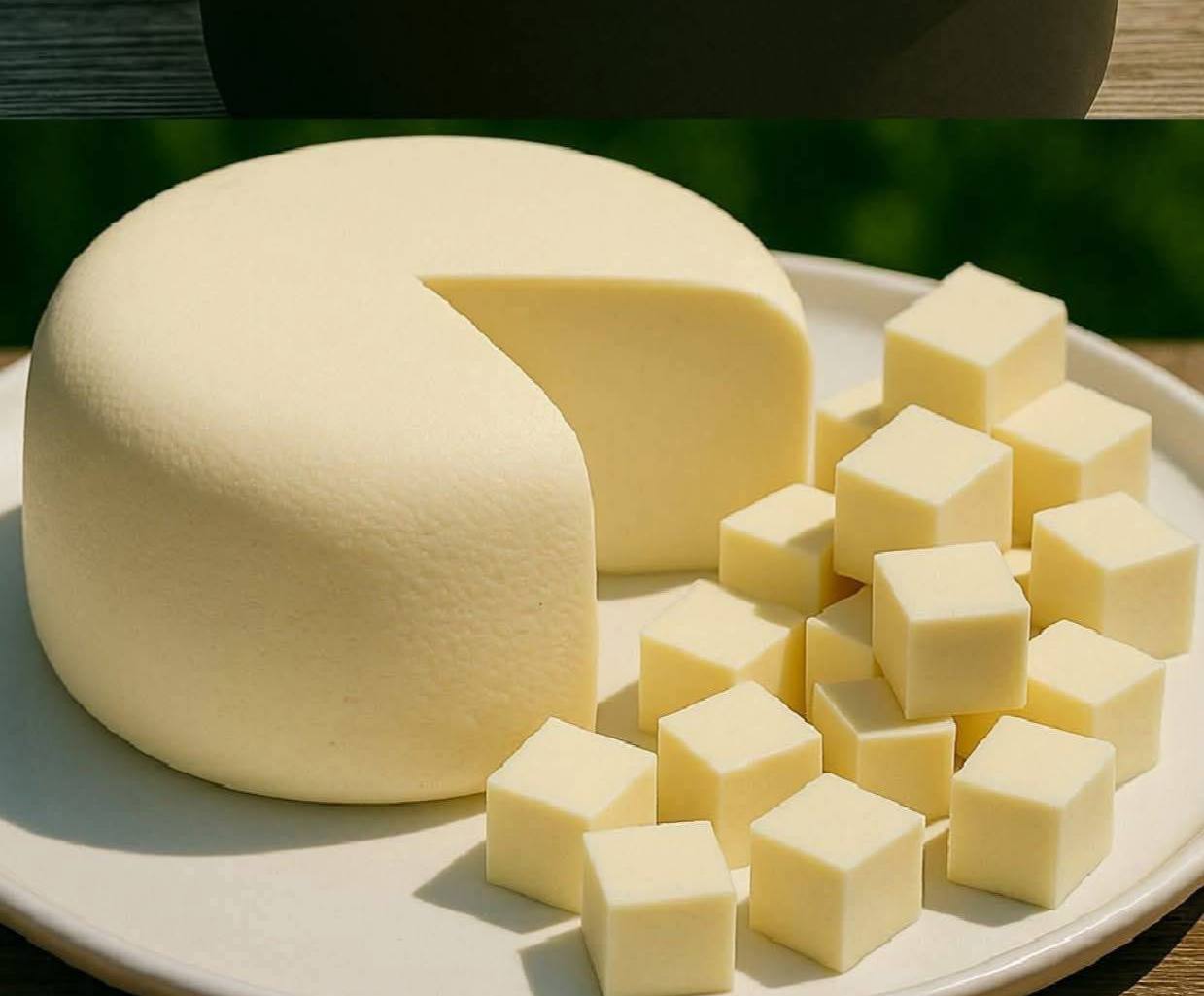
Introduction
Imagine the delightful possibility of crafting fresh, creamy cheese right in the comfort of your own kitchen! Forget the need for exotic ingredients or specialized equipment; with just a few pantry staples and a little patience, you can transform humble milk into a delicious homemade fresh cheese. This recipe unlocks the magic of simple cheesemaking, proving that culinary wonders are often found in the most accessible of methods. We’re talking about a quick, satisfying project that yields a versatile and flavorful cheese, perfect for elevating everyday meals or impressing guests.
What makes this particular cheesemaking adventure so appealing is its reliance on a common household item: vinegar. Acting as a natural coagulant, vinegar gently separates the milk proteins, forming delicate curds that are then drained to create a soft, spreadable, or crumbly cheese. This method bypasses the complexities of rennet-based cheesemaking, making it an ideal entry point for beginners and a fantastic quick fix for seasoned home cooks. The result is a cheese that boasts a mild, milky flavor with a subtle tang, far superior in freshness and purity to many store-bought alternatives.
This homemade fresh cheese isn’t just about the simple process; it’s about the incredible versatility it brings to your table. From savory applications on crackers or salads to sweet pairings with fruit and honey, its delicate profile makes it a culinary chameleon. Get ready to embark on a rewarding kitchen project that promises both delicious results and a newfound appreciation for the art of cheesemaking, all starting with a splash of vinegar and a pot of milk.
Nutritional Information
Per serving (approximate values for 1/4 cup / 60g serving):
- Calories: 120
- Protein: 8g
- Carbohydrates: 3g
- Fat: 9g
- Fiber: 0g
- Sodium: 150mg
Ingredients
- 8 cups (2 liters) whole milk (full-fat cow’s milk is recommended, but goat or sheep milk can be used)
- 1/2 cup (120ml) white vinegar (distilled white vinegar or apple cider vinegar)
- 1 teaspoon sea salt, plus more to taste
- Optional: 1-2 tablespoons fresh chopped herbs (e.g., chives, dill, parsley)
- Optional: 1/2 teaspoon garlic powder or onion powder
Instructions
- Gather all your equipment and ingredients. Line a large colander with several layers of cheesecloth (or a clean, thin kitchen towel/muslin) and place it over a large bowl to catch the whey.
- Pour the whole milk into a large, heavy-bottomed pot. Place the pot over medium-high heat.
- Heat the milk slowly, stirring occasionally to prevent scorching, until it reaches a temperature of 190-200°F (88-93°C). You will see small bubbles forming around the edges of the pot, and the milk will be steaming, but do not let it come to a rolling boil. If you have a thermometer, this is the best way to ensure the correct temperature.
- Once the milk reaches the desired temperature, reduce the heat to low. Slowly pour in the vinegar, stirring gently and continuously for about 30 seconds.
- Stop stirring and allow the milk mixture to sit undisturbed on low heat for 5-10 minutes. During this time, you will observe the milk curdling: solid white curds will begin to separate from a clear, yellowish-green liquid (the whey). If after 5 minutes, the separation isn’t clear, you can add 1-2 more tablespoons of vinegar, stir gently, and let it sit for another 2-3 minutes.
- Carefully pour the curds and whey into the cheesecloth-lined colander. Allow the whey to drain freely into the bowl below.
- Once most of the initial liquid has drained (this usually takes 5-10 minutes), gather the corners of the cheesecloth together to form a bundle. Gently twist and squeeze the bundle to remove more whey. The more you squeeze, the firmer your cheese will be. For a softer, spreadable cheese, squeeze lightly. For a firmer, sliceable cheese, squeeze more firmly.
- Transfer the drained curds to a small mixing bowl. Add the 1 teaspoon of sea salt and any optional herbs or spices you desire. Mix gently with a spoon or your hands until well combined. Taste and adjust salt if necessary.
- For shaping, you can either press the cheese into a small mold, a small bowl, or simply form it into a ball or log with your hands. If using a mold, line it with a fresh piece of cheesecloth and pack the cheese firmly.
- Cover the shaped cheese loosely with plastic wrap or transfer it to an airtight container. Chill in the refrigerator for at least 1-2 hours before serving. This allows the cheese to firm up and for the flavors to meld.
Cooking Tips and Variations
For the best results, always start with high-quality, full-fat milk. Whole milk yields a creamier, richer cheese with a better yield. Avoid ultra-pasteurized milk if possible, as the high heat treatment can make it more difficult to curdle effectively and result in a lower yield or a grainy texture. If you can only find ultra-pasteurized, you might need a little extra vinegar and a longer sitting time for curdling.
The temperature of the milk is crucial. Aim for 190-200°F (88-93°C). If the milk isn’t hot enough, the curds won’t form properly. If it boils too vigorously after adding the vinegar, the curds can become tough and rubbery. A gentle, steaming heat is what you’re looking for. Using a food thermometer is highly recommended for precision.
When adding the vinegar, do so slowly and stir gently. Aggressive stirring can break up the delicate curds as they form, leading to a poorer yield and a less cohesive cheese. Once the vinegar is in, let the milk sit undisturbed for a few minutes; patience is key here. If the curds don’t separate cleanly from the whey, add a little more vinegar, one tablespoon at a time, and wait a couple more minutes.
The amount of draining directly impacts the texture of your final cheese. For a soft, spreadable cheese similar to a fresh ricotta or cream cheese, drain just enough to remove excess liquid, leaving some moisture. For a firmer cheese that you can slice or crumble, squeeze out more whey. You can even place a light weight on top of the cheesecloth-wrapped curds in the colander for 30 minutes to an hour to achieve a denser texture, similar to a paneer or queso fresco.
Don’t be afraid to experiment with flavor variations! After draining and before chilling, you can mix in a variety of ingredients. For savory options, consider finely chopped fresh herbs like chives, dill, parsley, or basil. A pinch of black pepper, red pepper flakes, garlic powder, or onion powder can also add a wonderful kick. For a sweeter take, try mixing in a drizzle of honey, a sprinkle of cinnamon, or even some finely chopped dried fruit.
Remember that salt is essential for flavor. Unsalted cheese can taste bland. Add salt after draining the curds, as adding it too early can interfere with the curdling process. Always taste and adjust to your preference.
The leftover whey is a valuable byproduct. It’s rich in protein and nutrients. Don’t discard it! You can use it as a liquid in baking recipes (like bread, pancakes, or muffins) to add moisture and tenderness. It can also be added to smoothies for an extra protein boost, used to cook grains like rice or quinoa, or even given to plants as a natural fertilizer.
Storage and Reheating
Homemade fresh cheese is best enjoyed fresh, ideally within a few days of making it. To store, transfer the cheese to an airtight container. You can also wrap it tightly in plastic wrap or parchment paper before placing it in the container. Store it in the coldest part of your refrigerator. It will typically last for 3 to 5 days. Since this cheese is unaged and contains no preservatives, its shelf life is relatively short compared to harder, aged cheeses.
It’s generally not recommended to freeze this type of fresh cheese, as the freezing and thawing process can significantly alter its delicate texture, making it crumbly or watery. It’s best to make smaller batches more frequently if you want a constant supply.
This fresh cheese is typically served cold or at room temperature. It does not require reheating. If you’re using it in a hot dish, such as topping a pasta or baked potato, simply add it at the end of the cooking process or just before serving, as prolonged heat can cause it to melt or become oily.
Frequently Asked Questions
What kind of milk is best for making this cheese?
Full-fat whole milk, whether from cows, goats, or sheep, is highly recommended. The higher fat content contributes to a creamier texture and a better yield. Avoid skim or low-fat milk, as they will produce very little curd and a dry, crumbly cheese. Also, try to avoid ultra-pasteurized milk if possible, as its proteins are more denatured, which can make curdling more challenging.
Can I use lemon juice instead of vinegar?
Yes, absolutely! Lemon juice works very similarly to vinegar as an acid coagulant. You would use approximately the same amount of fresh lemon juice (1/2 cup) as you would vinegar. Lemon juice can impart a slightly different, often brighter, citrusy tang to the cheese, which some people prefer. The process and steps remain identical.
What can I do if my milk isn’t curdling?
If your milk isn’t curdling after adding the initial amount of vinegar and letting it sit, the most common reasons are that the milk wasn’t hot enough or you didn’t add enough acid. First, ensure the milk is still at the target temperature (190-200°F). If it has cooled significantly, gently bring it back up to temperature. Then, add an additional 1-2 tablespoons of vinegar (or lemon juice), stir very gently, and let it sit for another 5 minutes. Repeat this process once more if necessary. Sometimes, different milk brands or types may require slightly more acid to fully coagulate.
How can I make the cheese firmer or softer?
The firmness of your cheese is primarily controlled by how much whey you drain from the curds. For a softer, more spreadable cheese, drain it for a shorter period and squeeze very lightly when gathering the cheesecloth. For a firmer, more sliceable or crumble-friendly cheese, drain it for a longer time and apply more pressure when squeezing the cheesecloth bundle. You can even place a small weight (like a can of food) on top of the cheesecloth-wrapped curds in the colander for 30 minutes to an hour to press out more whey and achieve a denser texture.