Instructions
- Prepare the Chicken: Begin by ensuring your chicken is cooked and cooled. You can poach, bake, or grill boneless, skinless chicken breasts until cooked through. A convenient option is to use a store-bought rotisserie chicken, removing the skin and bones. Once cooled, shred the chicken into bite-sized pieces using two forks, or dice it into uniform ½-inch cubes. Transfer the prepared chicken to a large mixing bowl.
- Chop Vegetables: Finely dice the celery, red onion (or green onion), and red bell pepper. The key here is to keep the pieces small and uniform so they integrate well into the salad and provide a consistent crunch without overpowering the chicken. Add the chopped vegetables to the bowl with the chicken.
- Combine Wet Ingredients: In a separate medium-sized bowl, whisk together the mayonnaise, Dijon mustard, fresh lemon juice, salt, and black pepper. If using, incorporate the optional paprika, garlic powder, and onion powder into this mixture. Whisk until the dressing is smooth and well combined.
- Assemble the Salad: Pour the prepared dressing over the chicken and chopped vegetables in the large mixing bowl. Using a spatula or large spoon, gently fold all the ingredients together. Mix until the chicken and vegetables are evenly coated with the creamy dressing. Be careful not to overmix, which can break down the chicken too much.
- Taste and Adjust: Once mixed, taste a small spoonful of the chicken salad. Adjust the seasonings as needed, adding more salt, pepper, or lemon juice to your preference. If you desire a creamier consistency, you can add a little more mayonnaise, one tablespoon at a time.
- Chill and Serve: For the best flavor and texture, cover the bowl and refrigerate the classic chicken salad for at least 30 minutes. This allows the flavors to meld and the salad to chill thoroughly. When ready to serve, give it a final gentle stir.
Cooking Tips and Variations
Achieving the perfect Classic Chicken Salad is all about balancing flavors and textures. Here are some tips to ensure your salad is always a hit, along with ideas for delightful variations.
Chicken Preparation is Key
The foundation of your chicken salad is, naturally, the chicken. For the most tender and flavorful results, consider poaching chicken breasts. Simply place boneless, skinless breasts in a pot, cover with cold water or chicken broth, add a bay leaf, a few peppercorns, and a pinch of salt. Bring to a gentle simmer, then reduce heat, cover, and cook for 10-15 minutes, or until cooked through (internal temperature of 165°F / 74°C). Let the chicken cool completely in its poaching liquid for maximum moisture before shredding or dicing. Another excellent option is a good quality rotisserie chicken; it’s convenient and already seasoned, but be sure to remove all skin and bones.
Mayonnaise Matters
Don’t skimp on the mayonnaise. A good quality, full-fat mayonnaise makes a significant difference in the richness and creaminess of your salad. Avoid low-fat or fat-free versions if possible, as they often contain added sugars and can result in a thinner, less satisfying dressing. If you’re looking for an alternative, you can try a combination of mayonnaise and plain Greek yogurt (full-fat) for a lighter, tangier profile, or use avocado oil mayonnaise for a slightly different flavor.
Finely Diced for Flavor Distribution
The key to a truly classic chicken salad is finely dicing your vegetables. Small, uniform pieces of celery, red onion, and red bell pepper ensure that every bite gets a hint of crunch and flavor without any single ingredient dominating. Larger chunks can make the salad more difficult to eat and disrupt the creamy texture. If red onion is too strong for your palate, soak the diced onion in cold water for 10-15 minutes, then drain thoroughly, to mellow its bite. Green onions are also an excellent milder alternative.
The Power of Fresh Lemon Juice and Dijon
Freshly squeezed lemon juice is non-negotiable. It brightens the flavors, cuts through the richness of the mayonnaise, and adds a necessary zing. Similarly, Dijon mustard provides a subtle tang and depth that elevates the dressing without making it taste overtly mustardy. Always taste and adjust these elements; a little more can make a big difference.
Optional Add-ins and Variations
- Fresh Herbs: Elevate your chicken salad with fresh herbs. Dill, parsley, chives, or even a hint of tarragon can add a wonderful aromatic complexity. Add about 1-2 tablespoons of finely chopped fresh herbs.
- Fruity Twist: For a touch of sweetness and contrasting texture, consider adding ½ cup of halved grapes (red or green) or finely diced apple (such as Honeycrisp or Granny Smith).
- Nutty Crunch: Toasted pecans or walnuts (about ¼ cup, roughly chopped) can add another layer of crunch and rich flavor.
- Curry Chicken Salad: For a completely different but equally delicious take, add 1-2 teaspoons of curry powder to your mayonnaise mixture, along with a pinch of turmeric for color. This pairs wonderfully with golden raisins and toasted almonds.
- Spicy Kick: A pinch of cayenne pepper, a dash of hot sauce, or finely minced jalapeño (remove seeds for less heat) can add a pleasant warmth.
- Extra Veggies: Finely shredded carrots or a bit of finely chopped cucumber can add freshness and texture.
Don’t Rush the Chill
While you can eat chicken salad immediately, it truly benefits from at least 30 minutes to an hour of chilling in the refrigerator. This allows the flavors to marry and deepen, resulting in a much more cohesive and delicious salad. Ideally, make it a few hours ahead or even the day before.
Storage and Reheating
Classic Chicken Salad is a fantastic make-ahead dish, perfect for meal prepping or entertaining. Proper storage is key to maintaining its freshness and safety.
Storage
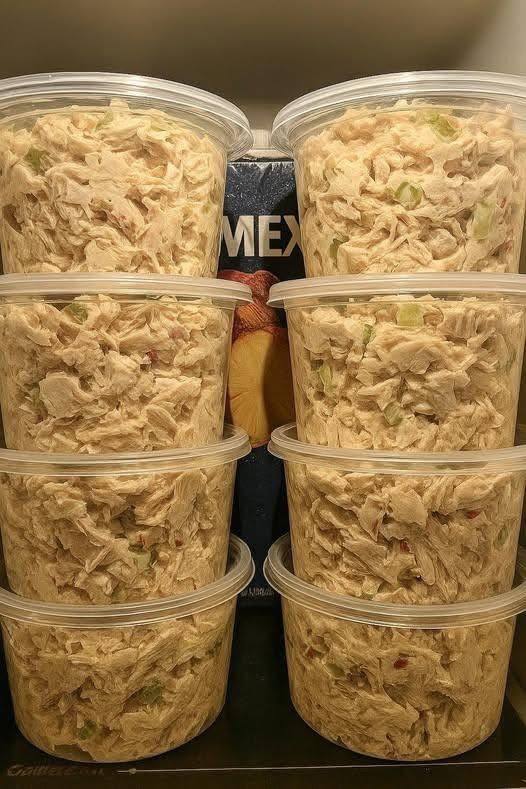
To store your chicken salad, transfer it to an airtight container. Clear, round, lidded plastic containers, like those often seen for meal prep, work perfectly. Ensure the lid seals tightly to prevent air exposure, which can dry out the salad and cause it to spoil faster. Store the chicken salad in the coldest part of your refrigerator.
When stored correctly, classic chicken salad will remain fresh and safe to eat for 3 to 4 days. After this period, it’s best to discard any leftovers to avoid foodborne illness. Due to the mayonnaise base and cooked chicken, it’s crucial to keep chicken salad refrigerated and not leave it out at room temperature for more than 2 hours.
Reheating
Chicken salad is a dish that is almost exclusively enjoyed cold. Reheating chicken salad is generally not recommended as it changes the texture of both the chicken and the mayonnaise, often resulting in an unappetizing, oily, or separated consistency. The fresh, crisp elements like celery also lose their crunch when heated.
If you prefer a warm sandwich, you can toast the bread separately and then add the cold chicken salad. However, for the best experience, always serve classic chicken salad chilled.
Frequently Asked Questions
Can I use leftover roasted chicken for this recipe?
Absolutely! Leftover roasted chicken is an excellent choice for classic chicken salad. Its inherent flavor and moisture add a wonderful depth to the salad. Just be sure to remove any skin and bones, and shred or dice the meat into appropriate-sized pieces. Allow the chicken to cool completely before mixing it into the salad.
How can I make this chicken salad lighter?
To make a lighter version, you can substitute half of the mayonnaise with plain, full-fat Greek yogurt. The Greek yogurt adds a tangy flavor and reduces the fat content while still maintaining a creamy texture. You can also increase the amount of finely diced vegetables, like celery and bell pepper, to add volume and crunch without adding many calories. Using white meat chicken breast exclusively will also keep the fat content lower than using a mix of dark and white meat.
What are the best serving suggestions for classic chicken salad?
Classic chicken salad is incredibly versatile! It’s fantastic served on sandwiches with your favorite bread (toasted or fresh), in pita pockets, or as a wrap. For a gluten-free or low-carb option, serve it in crisp lettuce cups, hollowed-out bell peppers, or scooped onto cucumber slices. It also makes a wonderful topping for crackers, a side dish alongside a green salad, or even stuffed into ripe avocado halves. Don’t forget a simple spoon for enjoying it straight from the bowl!
Why did my chicken salad turn watery?
Several factors can cause chicken salad to become watery. One common reason is not draining excess moisture from ingredients, especially if you’ve used very fresh, high-water-content vegetables like cucumber without patting them dry. Another cause can be adding warm chicken to the mixture; the heat causes the mayonnaise to thin and separate. Always ensure your cooked chicken is completely cooled before mixing. Over-mixing can also cause some ingredients to release their moisture. Lastly, if the salad sits for too long, especially with salt, the salt can draw water from the vegetables, so it’s always best to chill and serve within a reasonable timeframe.