Introduction
There are some dishes that just speak to the soul, and classic corned beef with cabbage is undoubtedly one of them. This timeless meal, deeply rooted in comfort and tradition, brings together the savory goodness of perfectly cooked corned beef with the sweet, earthy flavors of tender cabbage and hearty root vegetables. While it’s famously associated with St. Patrick’s Day celebrations, its appeal extends far beyond a single holiday, offering a satisfying and delicious experience any time you crave a truly wholesome and flavorful meal.
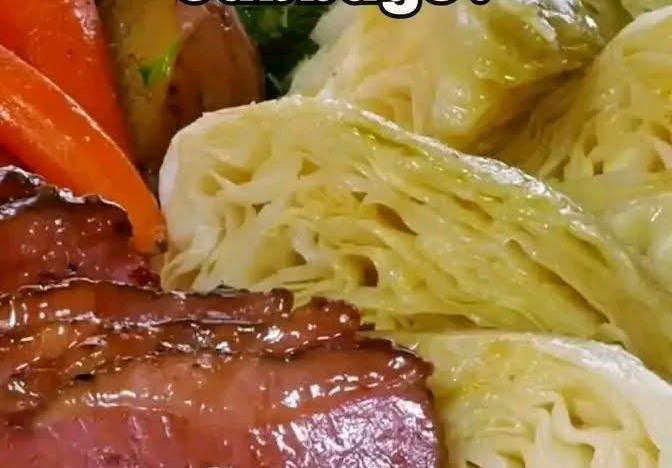
Imagine a fork-tender slice of glistening corned beef, its rich, cured flavor perfectly complemented by a bite of sweet, slightly crisp cabbage, all nestled alongside soft carrots and potatoes. It’s a symphony of textures and tastes that evokes feelings of warmth and nostalgia. This isn’t just a meal; it’s an experience – a hearty, slow-cooked masterpiece that transforms simple ingredients into something truly extraordinary. The beauty of this dish lies in its straightforward approach, allowing the quality of the ingredients and the magic of slow simmering to shine through.
What makes this combination so utterly irresistible? It’s the delightful interplay between the savory, slightly salty notes of the corned beef, which has been lovingly cured to perfection, and the natural sweetness that emerges from the slow-cooked cabbage, carrots, and potatoes. Each component contributes to a harmonious whole, creating a satisfying and deeply flavorful dish that has stood the test of time. Get ready to master this comforting classic and bring a taste of tradition to your table.
Nutritional Information
Per serving (approximate values):
- Calories: 650
- Protein: 50g
- Carbohydrates: 45g
- Fat: 30g
- Fiber: 8g
- Sodium: 1500mg
Ingredients
- 3-4 pounds corned beef brisket (flat cut or point cut), with spice packet
- 1 large head green cabbage, cut into 8 wedges
- 1.5 pounds small red potatoes, scrubbed and halved or quartered
- 1 pound carrots, peeled and cut into 2-inch chunks
- 1 large yellow onion, quartered
- 6-8 cups water or low-sodium beef broth, or a combination
- 1 bottle (12 ounces) dark beer (such as Guinness or stout), optional
- 1 tablespoon whole black peppercorns (if spice packet is small or absent)
- 2-3 bay leaves
- 1 tablespoon apple cider vinegar (optional, for brightness)
- Fresh parsley, chopped, for garnish (optional)
- Grainy mustard or horseradish sauce, for serving
Instructions
- Prepare the Corned Beef: Remove the corned beef brisket from its packaging. Rinse the brisket thoroughly under cold running water for several minutes to remove excess salt from the curing brine. Place the rinsed brisket in a large (8-quart or larger) heavy-bottomed pot or Dutch oven.
- Add Aromatics and Liquid: If your corned beef came with a spice packet, open it and sprinkle the contents over the brisket. Add the quartered onion, bay leaves, and black peppercorns (if using extra). Pour in enough water or beef broth to completely cover the brisket. If using, add the bottle of dark beer now. The liquid should cover the meat by at least 1 inch.
- Begin Cooking the Corned Beef: Bring the liquid to a rolling boil over high heat. Once boiling, reduce the heat to low, cover the pot tightly, and let it simmer gently for 2.5 to 3 hours. The liquid should be barely bubbling.
- Add Potatoes and Carrots: After 2.5 to 3 hours of simmering, add the halved or quartered potatoes and the carrot chunks to the pot. Ensure they are submerged in the liquid. Continue to simmer, covered, for another 20-25 minutes, or until the potatoes and carrots are tender when pierced with a fork.
- Add Cabbage: Carefully place the cabbage wedges into the pot, pushing them down gently into the liquid. Continue to simmer for an additional 15-20 minutes, or until the cabbage is tender but still holds its shape and has a slight bite. Do not overcook the cabbage, as it can become mushy.
- Check for Tenderness: The corned beef should be very tender and easily pierced with a fork. If it’s still tough, continue simmering for another 30-60 minutes, checking periodically.
- Rest the Corned Beef: Once the corned beef and vegetables are cooked to your liking, carefully remove the corned beef from the pot and place it on a cutting board. Tent it loosely with foil and let it rest for 10-15 minutes. This step is crucial for retaining juices and ensuring a tender, flavorful slice.
- Slice and Serve: While the beef is resting, carefully remove the vegetables from the pot using a slotted spoon and arrange them on a large serving platter. After resting, slice the corned beef against the grain into 1/4-inch thick slices. Arrange the sliced corned beef alongside the vegetables on the platter.
- Garnish and Enjoy: Ladle a little of the cooking liquid over the beef and vegetables to keep them moist. Garnish with fresh chopped parsley, if desired. Serve immediately with grainy mustard and/or horseradish sauce on the side.
Cooking Tips and Variations
For truly tender corned beef, slow and low is the way to go. Resisting the urge to rush the cooking process will yield incredibly tender meat that practically melts in your mouth. The tough connective tissues in the brisket need ample time to break down, so don’t skimp on the simmering time.
To prevent your cabbage from turning into an unappetizing mush, timing is everything. Add the cabbage wedges towards the end of the cooking process, typically in the last 15-20 minutes. This ensures it becomes tender and sweet but still retains some structural integrity and a pleasant texture.
Elevate the flavors by experimenting with your cooking liquid. Adding a bottle of dark beer, such as Guinness or another stout, can impart a wonderful depth and malty sweetness to the broth. A splash of apple cider vinegar at the end can also brighten the overall flavor profile. Don’t be afraid to add extra pickling spices like mustard seeds, coriander seeds, or a few cloves if your spice packet seems sparse.
This “boiled dinner” is incredibly versatile. For a richer flavor profile, you can roast the vegetables separately after the corned beef has cooked in the broth. Simply toss the par-cooked potatoes and carrots with a little oil and herbs, then roast until caramelized. You can also add other root vegetables like parsnips or turnips alongside the carrots and potatoes. For a spicier kick, add a pinch of red pepper flakes to the cooking liquid.
Leftovers are a gift with corned beef and cabbage! The classic use is, of course, a Reuben sandwich, layered with Swiss cheese, sauerkraut, and Russian dressing on rye bread. You can also chop up the leftover corned beef and potatoes to make a delicious corned beef hash, perfect for breakfast or brunch. The leftover cabbage can be sautéed with a little butter and garlic for a quick side dish.
When serving, a good grainy mustard or a fiery horseradish sauce are essential accompaniments, cutting through the richness of the beef and adding a delightful zing. Don’t forget some crusty bread to soak up all the flavorful broth!
Storage and Reheating
Allow any leftover corned beef and cabbage to cool completely before storing. Once cool, transfer the beef, vegetables, and some of the cooking liquid to airtight containers. Store in the refrigerator for up to 3-4 days. For longer storage, you can freeze individual components (corned beef and vegetables) in freezer-safe bags or containers for up to 2-3 months. Thaw frozen items in the refrigerator overnight before reheating.
To reheat, the best method is gently on the stovetop. Place the corned beef and vegetables in a pot with a splash of the reserved cooking liquid (or beef broth). Cover and heat over medium-low heat, stirring occasionally, until everything is warmed through. Avoid high heat, as it can dry out the beef and make the vegetables mushy. You can also reheat in the microwave in short bursts, stirring between each, until hot. For best results, slice the corned beef just before reheating individual portions to prevent it from drying out.
Frequently Asked Questions
Why do I need to rinse the corned beef before cooking?
Rinsing the corned beef thoroughly helps to remove excess salt from the curing brine. This prevents the final dish from being overly salty and allows the other flavors to shine through. Don’t skip this step!
What is the best cut of corned beef for this recipe?
Both flat cut and point cut briskets work well. The flat cut is leaner and slices more uniformly, making it ideal for presentation. The point cut is fattier and often more flavorful, yielding a more tender, shreddable result. Choose based on your preference for leanness and texture.
Can I cook this in a slow cooker?
Absolutely! A slow cooker is an excellent way to prepare corned beef and cabbage. Place the rinsed corned beef, spice packet, onion, and liquid (water/broth/beer) in the slow cooker. Cook on low for 6-8 hours or on high for 3-4 hours. Add the potatoes and carrots during the last 2-3 hours on low, and the cabbage during the last hour. The cooking times may vary slightly depending on your slow cooker and the size of your brisket.
How do I know the corned beef is cooked through and tender?
The corned beef is done when it is fork-tender. You should be able to easily insert a fork into the thickest part of the meat and pull it out with minimal resistance. If it feels tough or chewy, continue simmering until it reaches the desired tenderness. Remember, low and slow is the key!