Introduction
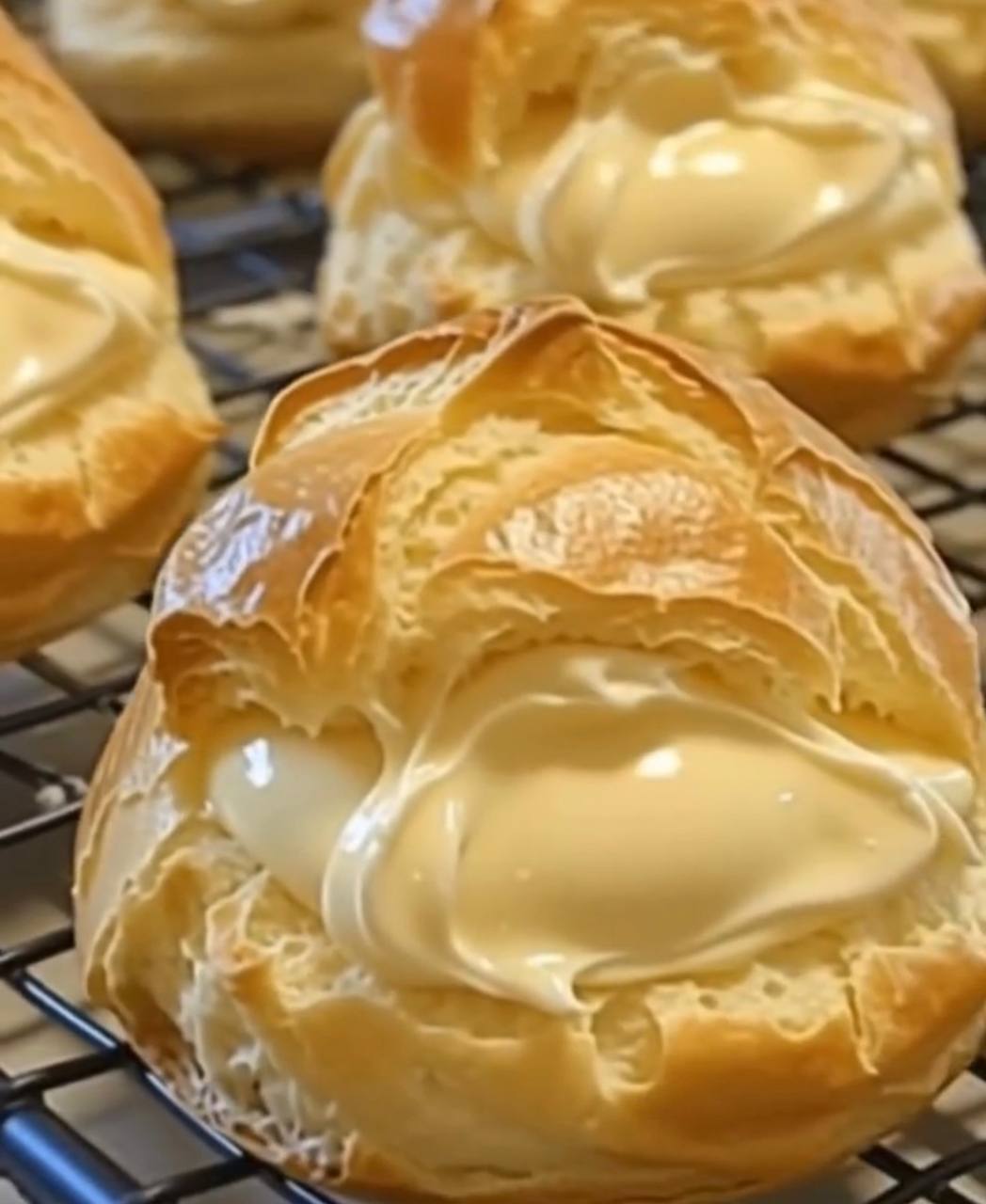
There’s something undeniably magical about a classic cream puff. Just one bite transports you to a world of delicate textures and rich flavors, a perfect symphony of crisp, airy pastry giving way to a cloud of silky, sweet cream. These delightful confections, with their golden-brown, craggy exteriors and luscious fillings, are more than just a dessert; they are a celebration of culinary artistry, a timeless treat that evokes nostalgia and pure joy. Whether you remember them from a childhood bakery visit, a holiday gathering, or a fancy café, the cream puff holds a special place in the hearts of dessert lovers everywhere. This recipe isn’t just about recreating a dessert; it’s about mastering the art of the choux pastry and crafting a vanilla cream so smooth and luxurious, it elevates the humble puff into an unforgettable experience.
At the heart of the cream puff’s charm lies its unique foundation: the choux pastry, or pâte à choux. This seemingly simple dough, made from just a few basic ingredients, undergoes a remarkable transformation in the oven, puffing up dramatically to create a hollow, ethereal shell. It’s this incredible lightness and delicate crispness that perfectly contrasts with the rich, velvety filling. Our recipe takes this classic to new heights with a truly exceptional silky vanilla cream – not just any cream, but one infused with the deep, aromatic essence of pure vanilla, creating a filling that is both comforting and sophisticated. The interplay of textures and temperatures – the warm, freshly baked pastry and the cool, smooth cream – is what makes each bite an absolute delight.
For many home bakers, the idea of making cream puffs might sound intimidating, conjuring images of complex techniques and potential pitfalls. However, I’m here to assure you that crafting these beauties is not only achievable but incredibly rewarding. With a little patience, attention to detail, and this comprehensive guide, you’ll be piping perfect choux and whipping up exquisite vanilla cream like a seasoned pastry chef. We’ll walk through every step, from mastering the choux pastry’s unique properties to creating that unbelievably silky cream, ensuring your cream puffs are light, airy, and bursting with flavor. Get ready to impress your friends and family (and yourself!) with this classic dessert that truly stands the test of time.
Nutritional Information
Per serving (approximate values):
- Calories: 285
- Protein: 5g
- Carbohydrates: 28g
- Fat: 17g
- Fiber: 1g
- Sodium: 105mg
Ingredients
For the Choux Pastry:
- 1 cup water
- 1/2 cup unsalted butter, cut into pieces
- 1/4 teaspoon salt
- 1 tablespoon granulated sugar
- 1 cup all-purpose flour, sifted
- 4 large eggs, at room temperature
For the Silky Vanilla Cream:
- 2 cups whole milk
- 1/2 cup granulated sugar, divided
- 1/4 cup cornstarch
- 4 large egg yolks
- 2 tablespoons unsalted butter, softened
- 1 1/2 teaspoons pure vanilla extract (or 1/2 vanilla bean, scraped)
- Pinch of salt
For Assembly and Garnish (Optional):
- Powdered sugar, for dusting
- Chocolate sauce, for drizzling
Instructions
- Prepare the Choux Pastry: Preheat your oven to 400°F (200°C). Line a large baking sheet with parchment paper. In a medium saucepan, combine the water, butter, salt, and granulated sugar. Bring the mixture to a rolling boil over medium-high heat, stirring occasionally to ensure the butter melts completely.
- Once boiling, remove the saucepan from the heat and immediately add the sifted flour all at once. Stir vigorously with a wooden spoon until the mixture comes together and forms a ball, pulling away from the sides of the pan.
- Return the saucepan to medium heat and continue to cook the dough, stirring constantly, for 2-3 minutes. This step, known as “drying out” the dough, helps to evaporate excess moisture and is crucial for proper puffing. The dough should form a thin film on the bottom of the pan.
- Transfer the dough to a large mixing bowl (or the bowl of a stand mixer fitted with the paddle attachment). Let it cool for 5 minutes, stirring occasionally, until it’s warm but not hot to the touch. This prevents the eggs from scrambling.
- Add the eggs one at a time, beating well after each addition until fully incorporated and the dough is smooth before adding the next. The dough will look curdled and separated after the first few eggs, but keep beating; it will come back together. The final dough should be thick, glossy, and fall slowly from a spoon in a V-shape. If using a stand mixer, beat on medium speed.
- Pipe the Choux Puffs: Transfer the choux pastry to a piping bag fitted with a large round or star tip (or use a spoon). Pipe 1.5 to 2-inch mounds onto the prepared baking sheet, spacing them about 2 inches apart. You should get 12-18 puffs. For perfectly round puffs, dip a finger in water and gently smooth any peaks.
- Bake the Choux Puffs: Place the baking sheet in the preheated oven. Bake for 15 minutes at 400°F (200°C). Without opening the oven door, reduce the oven temperature to 350°F (175°C) and continue to bake for another 20-25 minutes, or until the puffs are deeply golden brown, firm, and feel light when lifted. The prolonged baking ensures they are fully dried out and won’t collapse.
- Cool the Choux Puffs: Immediately remove the baked cream puffs from the oven. Using a small sharp knife, make a tiny slit on the side of each puff to release steam. This helps prevent them from becoming soggy. Transfer the puffs to a wire rack to cool completely.
- Prepare the Silky Vanilla Cream: While the choux pastry cools, prepare the cream. In a medium saucepan, combine the whole milk and half of the granulated sugar (1/4 cup). If using a vanilla bean, split it lengthwise, scrape out the seeds, and add both the bean and seeds to the milk mixture. Bring the mixture to a gentle simmer over medium heat, stirring occasionally.
- In a separate medium bowl, whisk together the remaining 1/4 cup granulated sugar, cornstarch, and egg yolks until smooth and pale yellow.
- Once the milk mixture is simmering, remove about 1/2 cup of the hot milk and slowly whisk it into the egg yolk mixture (this is called tempering). This gradually raises the temperature of the yolks, preventing them from scrambling.
- Pour the tempered egg yolk mixture back into the saucepan with the remaining hot milk, whisking constantly. Return the saucepan to medium heat and cook, whisking continuously, until the cream thickens significantly and comes to a boil. It will become very thick and bubbly. Continue to boil gently for 1 minute, still whisking, to ensure the cornstarch is fully cooked.
- Remove the cream from the heat. Stir in the softened butter, pure vanilla extract (if not using a vanilla bean), and a pinch of salt until smooth and fully incorporated. If you used a vanilla bean, remove it at this point.
- Chill the Vanilla Cream: Transfer the vanilla cream to a clean bowl. Press a piece of plastic wrap directly onto the surface of the cream to prevent a skin from forming. Refrigerate for at least 2 hours, or until thoroughly chilled and firm.
- Assemble the Cream Puffs: Once both the choux pastry and vanilla cream are completely cool, it’s time to assemble. You can either slice each cream puff in half horizontally (like a sandwich) or make a small hole in the bottom or side with a knife.
- Transfer the chilled vanilla cream to a piping bag fitted with a large round tip (or use a spoon). Pipe a generous amount of cream into each choux puff.
- Serve: Arrange the filled cream puffs on a serving platter. Dust with powdered sugar, or drizzle with chocolate sauce, if desired. Serve immediately for the best texture.
Cooking Tips and Variations
Achieving cream puff perfection hinges on a few crucial details. First and foremost, resist the urge to open your oven door during the initial baking phase. The trapped steam is what gives choux pastry its incredible puff and hollow interior. Peeking too early can cause your puffs to collapse. Ensure your eggs are at room temperature when adding them to the choux dough; cold eggs can cause the dough to seize up and not incorporate properly. When making the choux, the “drying out” step on the stove is vital – it removes excess moisture, leading to a crisper, more stable puff. The dough should be thick enough to hold its shape after piping but still somewhat soft. If it’s too runny, add a little more flour, but be careful not to overdo it. For the vanilla cream, whisk constantly and vigorously while it thickens to prevent lumps and ensure a silky smooth consistency. Tempering the egg yolks slowly with hot milk is non-negotiable to avoid scrambled eggs in your cream.
For variations, the filling possibilities are endless! While vanilla is classic, consider a rich chocolate pastry cream by melting 2-3 ounces of good quality dark chocolate into the hot cream. A zesty lemon curd or a light, airy whipped cream (stabilized with a touch of gelatin for longer holding) also make fantastic fillings. You can also flavor the choux pastry itself: try adding a teaspoon of espresso powder for coffee-flavored puffs, or a pinch of cinnamon. For a savory twist, omit the sugar from the choux, add some grated Parmesan cheese, and fill with a savory cream cheese and herb mixture for delightful gougères. A glaze can also elevate your cream puffs; a simple powdered sugar and milk glaze, or a rich chocolate ganache, adds an extra layer of sweetness and visual appeal. Don’t forget seasonal fruits! Fresh berries or sliced peaches can be added alongside the cream for a burst of freshness.
Storage and Reheating
Cream puffs are best enjoyed fresh, ideally within a few hours of assembly, as the pastry can soften over time when filled with cream. However, you can prepare the components in advance. Unfilled choux pastry shells can be stored in an airtight container at room temperature for up to 2 days. For longer storage, freeze the baked, unfilled shells in a single layer on a baking sheet until solid, then transfer them to a freezer-safe bag or container for up to 1 month. To reheat frozen shells, place them directly on a baking sheet in a 300°F (150°C) oven for 5-10 minutes, or until crisp, then cool completely before filling.
The silky vanilla cream can be made up to 2-3 days in advance and stored in an airtight container in the refrigerator, with plastic wrap pressed directly onto its surface to prevent a skin from forming. Before filling, give it a good whisk to restore its smooth consistency. Once assembled, cream puffs should be stored in an airtight container in the refrigerator for no more than 1-2 days. The pastry will inevitably soften, but they will still be delicious. Reheating filled cream puffs is not recommended, as the cream will melt and the pastry will become very soggy. It’s always best to fill just before serving to maintain that delightful contrast of crisp pastry and silky cream.
Frequently Asked Questions
What makes my cream puffs go flat or collapse after baking?
There are a few common reasons for flat or collapsed cream puffs. The most frequent culprit is not baking them long enough or at a high enough temperature initially. The choux pastry needs sufficient time and heat to dry out completely and build a strong structure. Opening the oven door too early, especially during the first 15-20 minutes, can release critical steam and cause them to deflate. Also, ensure your dough is properly “dried out” on the stovetop; too much moisture in the dough will prevent proper puffing. Lastly, making a small slit in the baked puffs immediately after removing them from the oven helps release steam and prevents internal condensation from making them soggy and collapse.
Can I make the choux pastry dough ahead of time?
While the choux pastry is best baked immediately after making the dough, you can prepare the dough a few hours in advance and keep it covered in the refrigerator. However, it’s generally recommended to pipe and bake it as soon as possible for the best rise. Alternatively, you can pipe the dough onto a parchment-lined baking sheet and freeze the unbaked puffs until solid. Once frozen, transfer them to a freezer-safe bag. When ready to bake, place the frozen puffs directly on a baking sheet (no need to thaw) and bake at 400°F (200°C) for 20-25 minutes, then reduce to 350°F (175°C) and bake for another 20-30 minutes, or until golden and firm.
Why is my vanilla cream lumpy or too thin?
Lumpy vanilla cream typically occurs if the cornstarch isn’t fully dissolved before heating, or if the cream isn’t whisked constantly while it thickens on the stove. To prevent lumps, thoroughly whisk the cornstarch with the sugar and egg yolks until completely smooth. When cooking, continuous whisking is key. If your cream is too thin, it likely hasn’t been cooked long enough. Pastry cream needs to come to a full boil and cook for at least a minute (while whisking) for the cornstarch to activate and thicken properly. Don’t be afraid to let it bubble; it will thicken significantly. If it’s still too thin after chilling, you can gently reheat it over low heat, whisking in a small amount of additional cornstarch mixed with a tablespoon of cold milk, and cooking until thickened again.
What’s the difference between a cream puff and an eclair?
Both cream puffs and éclairs are made from the same choux pastry dough and are filled with cream. The primary difference lies in their shape and presentation. Cream puffs are typically round or spherical, often piped as individual mounds, and then filled. Éclairs, on the other hand, are elongated, piped into finger-like shapes, and traditionally filled with pastry cream and then topped with a sweet glaze, most commonly chocolate. While the core ingredients are identical, their distinct forms offer different textural experiences and aesthetic appeals.