Instructions
- Preheat your oven to 325°F (160°C). Prepare a 10-inch fluted bundt pan or a 10-cup loaf pan by generously greasing it with butter or non-stick spray, then dusting it thoroughly with flour, tapping out any excess. This step is crucial for easy release.
- In a large mixing bowl, using an electric mixer with the paddle attachment, cream together the softened butter and granulated sugar on medium-high speed until light, fluffy, and pale in color, about 5-7 minutes. Scrape down the sides of the bowl occasionally to ensure everything is well combined.
- Add the eggs one at a time, beating well after each addition until fully incorporated. The mixture may look slightly curdled at this stage, but don’t worry; it will come together.
- Stir in the pure vanilla extract. Ensure you use good quality vanilla for the best flavor.
- In a separate medium bowl, whisk together the sifted all-purpose flour, baking powder, and salt. Sifting the flour helps prevent lumps and aerates the dry ingredients, contributing to a tender crumb.
- With the mixer on low speed, gradually add the dry ingredients to the wet ingredients in three additions, alternating with the plain yogurt. Begin and end with the dry ingredients. For example, add one-third of the flour mixture, mix until just combined, then add half of the yogurt, mix until just combined, then another third of the flour, the remaining yogurt, and finally the last third of the flour.
- Mix only until the batter is just combined and no streaks of flour remain. Be careful not to overmix, as this can develop the gluten in the flour, leading to a tough cake. The batter should be smooth and creamy.
- Pour the prepared batter evenly into your greased and floured bundt or loaf pan. Gently tap the pan on the counter a few times to release any air bubbles and help the batter settle evenly.
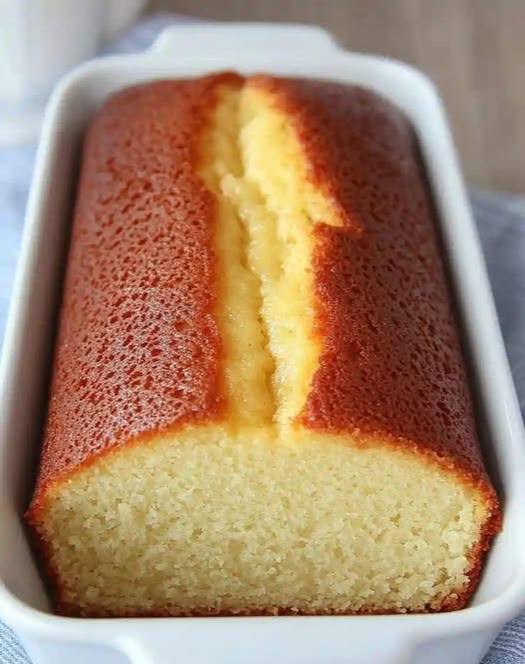
- Bake for 60-75 minutes, or until a wooden skewer or toothpick inserted into the center of the cake comes out clean. The top of the cake should be golden brown and may have a characteristic crack down the middle, which is perfectly normal for pound cakes and indicates proper rising.
- Once baked, remove the cake from the oven and let it cool in the pan on a wire rack for 15-20 minutes. This allows the cake to set and prevents it from breaking when inverted.
- After cooling in the pan, carefully invert the cake onto the wire rack to cool completely. Do not attempt to slice the cake while it is warm, as it will be too delicate and may crumble.
- Once completely cooled, slice and serve as desired.
Cooking Tips and Variations
Achieving the perfect Classic Vanilla Yogurt Pound Cake is all about attention to detail. Here are some tips to ensure your cake turns out beautifully every time:
- Room Temperature Ingredients are Key: This cannot be stressed enough! Softened butter, room temperature eggs, and yogurt emulsify much better, creating a smooth, homogenous batter. Cold ingredients will cause the batter to curdle and potentially result in a denser cake. Take them out of the fridge at least an hour before you plan to bake.
- Don’t Rush the Creaming: The creaming of butter and sugar is where you incorporate air into the batter, which contributes to the cake’s light texture. Beat until truly light and fluffy, not just until combined.
- Measure Flour Correctly: For accurate measuring, spoon the flour into your measuring cup and then level it off with a straight edge. Dipping the measuring cup directly into the flour can pack it down, leading to too much flour and a dry cake. Better yet, use a kitchen scale for precise measurements.
- Avoid Overmixing: Once you add the flour, mix only until the ingredients are just combined. Overmixing develops gluten, which can make your pound cake tough and chewy instead of tender.
- Pan Preparation is Critical: A well-greased and floured pan is your best friend. Don’t skimp on this step, especially for intricate bundt pans. You can also use a baking spray that contains flour.
- Oven Temperature Matters: Ovens can vary. If you find your cake bakes too quickly or too slowly, consider investing in an oven thermometer to ensure accuracy. A slightly lower temperature for a longer time helps the cake bake through evenly without over-browning the exterior.
- Cooling Patience: Resist the urge to unmold or slice the cake too early. Cooling in the pan allows the cake to firm up, making it less likely to break when inverted. Cooling completely on a wire rack prevents the bottom from becoming soggy.
Now, for some delicious variations to keep things exciting:
- Lemon Zest Infusion: For a bright, zesty twist, add 2 tablespoons of fresh lemon zest to the butter and sugar mixture. You can also drizzle the cooled cake with a simple lemon glaze (powdered sugar mixed with lemon juice).
- Almond Extract: Replace half of the vanilla extract with almond extract (1.5 teaspoons vanilla, 1.5 teaspoons almond) for a delightful nutty flavor.
- Chocolate Chip Swirl: Fold 1 cup of mini chocolate chips into the batter for a classic chocolate chip pound cake.
- Marble Effect: Divide the batter in half. Mix 2-3 tablespoons of cocoa powder (sifted) into one half. Alternate spoonfuls of plain and chocolate batter into the pan, then swirl gently with a knife.
- Glaze Options:
- Simple Vanilla Glaze: Whisk together 1 ½ cups powdered sugar, 3-4 tablespoons milk (or heavy cream), and ½ teaspoon vanilla extract until smooth. Drizzle over cooled cake.
- Cream Cheese Glaze: Beat 4 oz softened cream cheese with ½ cup powdered sugar, 1 tablespoon milk, and ½ teaspoon vanilla extract until smooth.
- Spice It Up: Add 1 teaspoon of ground cinnamon and ½ teaspoon of ground nutmeg to the dry ingredients for a warm, spiced pound cake, especially lovely in the fall.
- Buttermilk Substitute: If you don’t have plain yogurt, you can substitute it with buttermilk for a similar tenderizing and tangy effect.
Storage and Reheating
Proper storage is essential to keep your Classic Vanilla Yogurt Pound Cake fresh and delicious for as long as possible.
Storage:
- Room Temperature: Once completely cooled, the pound cake can be stored at room temperature for up to 3-4 days. Wrap it tightly in plastic wrap or aluminum foil, or place it in an airtight container. This prevents it from drying out.
- Refrigeration: While not strictly necessary, if you live in a very warm climate or plan to store it for longer, you can refrigerate the cake. Wrap it well to prevent it from absorbing odors from other foods in the fridge. It will keep for up to a week in the refrigerator. Bring slices to room temperature before serving for the best texture and flavor.
- Freezing: Pound cake freezes beautifully! For longer storage, wrap the cooled cake (whole or in slices) tightly in plastic wrap, then an additional layer of aluminum foil. Place it in a freezer-safe bag or container. It can be frozen for up to 3 months.
Reheating:
- From Room Temperature: No reheating is necessary. Simply unwrap and serve!
- From Refrigeration: Allow slices to come to room temperature for about 30 minutes before serving. If you prefer it slightly warm, you can microwave individual slices for 10-15 seconds.
- From Freezer:
- Whole Cake: Transfer the wrapped frozen cake to the refrigerator and let it thaw overnight. Once thawed, unwrap and bring to room temperature before serving.
- Individual Slices: Remove slices from the freezer and let them thaw at room temperature for about 30-60 minutes. For a quick warm treat, microwave individual slices on low power for 30-60 seconds, or toast them lightly in a toaster oven.
Frequently Asked Questions
What kind of yogurt should I use for this pound cake?
For the best results, use plain, full-fat yogurt, either regular or Greek style. Full-fat yogurt provides the most moisture and contributes to a richer flavor. Avoid flavored or low-fat/non-fat yogurts, as they can alter the texture and sweetness of the cake. If using Greek yogurt, which is thicker, the cake may be slightly denser, but still incredibly moist.
My pound cake cracked on top – did I do something wrong?
Absolutely not! A crack on the top of a pound cake is a classic characteristic and a sign that it rose beautifully and baked through properly. It happens because the outside of the cake sets faster than the inside, and as the inside continues to rise, it pushes through the set crust, creating that signature crack. Embrace it as a mark of a perfectly baked pound cake!
Can I make this pound cake ahead of time for an event?
Yes, this pound cake is an excellent make-ahead dessert! Its flavor and texture often improve slightly after a day, allowing the flavors to meld. You can bake it up to 3-4 days in advance and store it at room temperature, well-wrapped. If you need to prepare it further in advance, it freezes exceptionally well for up to 3 months, as detailed in the storage section.
Why did my pound cake turn out dry?
Several factors can contribute to a dry pound cake. The most common reasons include overmixing the batter (which develops gluten and makes the cake tough), adding too much flour (always spoon and level or weigh your flour), or overbaking. Ensure your oven temperature is accurate and check for doneness with a toothpick; remove the cake as soon as it comes out clean.