Introduction
There are few desserts as comforting, as utterly satisfying, and as deeply rooted in culinary tradition as a perfectly baked pound cake. And when you introduce the velvety richness of cream cheese into the mix, you elevate this beloved classic to an entirely new level of moist, tender perfection. Imagine a slice that’s dense yet impossibly soft, with a delicate golden crust and an interior that practically melts in your mouth. That, my friends, is the magic of Cream Cheese Pound Cake – a true Southern comfort food that has graced countless tables for generations, a testament to its timeless appeal and irresistible flavor.
What sets a Cream Cheese Pound Cake apart from its traditional counterpart? It’s all in that glorious cream cheese. This humble ingredient doesn’t just add a subtle tang that balances the sweetness; it acts as a secret weapon, infusing the cake with an unparalleled moisture and richness that keeps it tender for days. The result is a cake that’s denser than a typical sponge, yet still incredibly light on the palate, with a fine, even crumb that’s simply divine. It’s the kind of cake that evokes memories of family gatherings, Sunday dinners, and quiet moments of indulgence – a true culinary hug in every bite.
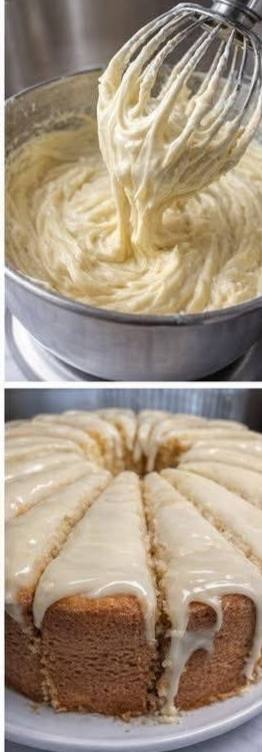
This recipe is your definitive guide to mastering the art of the Cream Cheese Pound Cake. We’ll walk you through every essential step, from selecting the right ingredients to achieving that perfect golden-brown crust and a simple, elegant glaze that adds just the right touch of sweetness. Whether you’re a seasoned baker or just starting your culinary journey, you’ll find that with a little patience and attention to detail, you can create a show-stopping dessert that will impress everyone who tastes it. Prepare to make a new favorite, a cake that’s destined to become a cherished part of your own family traditions.
Nutritional Information
Per serving (approximate values):
- Calories: 550
- Protein: 7g
- Carbohydrates: 70g
- Fat: 28g
- Fiber: 1g
- Sodium: 300mg
Ingredients
- For the Cream Cheese Pound Cake:
- 3 cups all-purpose flour, sifted
- 1 teaspoon baking powder
- 1/2 teaspoon salt
- 1 cup (2 sticks) unsalted butter, softened to room temperature
- 8 ounces full-fat cream cheese, softened to room temperature
- 3 cups granulated sugar
- 5 large eggs, at room temperature
- 1 tablespoon vanilla extract
- 1/2 cup whole milk, at room temperature
- For the Simple Vanilla Glaze:
- 2 cups powdered sugar (confectioners’ sugar), sifted
- 3-4 tablespoons whole milk or heavy cream
- 1/2 teaspoon vanilla extract
- Pinch of salt (optional, to balance sweetness)
Instructions
- Preheat your oven to 325°F (160°C). Grease and flour a 10-12 cup Bundt pan thoroughly, ensuring every crevice is coated to prevent sticking. Tap out any excess flour.
- In a medium bowl, whisk together the sifted flour, baking powder, and salt. Set aside.
- In the bowl of a stand mixer fitted with the paddle attachment (or using a large bowl and a hand mixer), cream together the softened butter and softened cream cheese on medium speed until light and fluffy, about 3-5 minutes. Scrape down the sides of the bowl as needed.
- Gradually add the granulated sugar to the butter and cream cheese mixture, beating on medium-high speed until the mixture is very light in color and fluffy, about 5-7 minutes. This step is crucial for incorporating air into the cake.
- Add the eggs one at a time, beating well after each addition. Make sure each egg is fully incorporated before adding the next. Scrape down the sides of the bowl.
- Stir in the vanilla extract until just combined.
- With the mixer on low speed, gradually add the dry ingredient mixture to the wet ingredients, alternating with the milk. Begin and end with the dry ingredients. Add about one-third of the flour mixture, then half of the milk, then another third of the flour, the remaining milk, and finally the last third of the flour. Mix until just combined and no streaks of flour remain. Be careful not to overmix, as this can lead to a tough cake.
- Pour the batter evenly into the prepared Bundt pan. Gently tap the pan on the counter a few times to release any air bubbles and to settle the batter.
- Bake for 60-90 minutes, or until a wooden skewer or toothpick inserted into the center of the cake comes out clean. The baking time can vary significantly depending on your oven and the specific Bundt pan.
- Once baked, remove the cake from the oven and let it cool in the pan on a wire rack for 15-20 minutes. This allows the cake to set and makes it easier to invert.
- After 15-20 minutes, carefully invert the cake onto the wire rack and remove the pan. Allow the cake to cool completely, at least 1-2 hours, before glazing. Glazing a warm cake will cause the glaze to melt and run off.
- While the cake cools, prepare the glaze. In a medium bowl, whisk together the sifted powdered sugar, 3 tablespoons of milk or cream, and vanilla extract until smooth. If the glaze is too thick, add more milk or cream, one teaspoon at a time, until it reaches a pourable, yet thick, consistency. If it’s too thin, add a little more powdered sugar. Add an optional pinch of salt to enhance the flavor.
- Once the cake is completely cool, place the wire rack over a piece of parchment paper or foil to catch any drips. Drizzle the glaze evenly over the top of the cake, allowing it to drip down the sides.
- Let the glaze set for about 15-20 minutes before slicing and serving.
Cooking Tips and Variations
Achieving the perfect Cream Cheese Pound Cake relies heavily on a few key principles. First and foremost, ensure all your cold ingredients – butter, cream cheese, and eggs – are at proper room temperature. This is absolutely critical for proper emulsification, allowing them to cream together smoothly and incorporate air, which contributes to the cake’s light texture. If your butter or cream cheese is too cold, your batter will be lumpy and dense. To quickly bring eggs to room temperature, place them in a bowl of warm water for 5-10 minutes. When creaming the butter, cream cheese, and sugar, don’t rush it; beat them until they are truly light, pale, and fluffy, which can take 5-7 minutes. This step is where a significant amount of air is incorporated, ensuring a tender crumb. When adding the flour mixture and milk, mix only until just combined. Overmixing once the flour is introduced develops gluten, which can result in a tough, rubbery cake. Gently fold until no dry streaks remain. Finally, pan preparation is paramount. Grease and flour your Bundt pan meticulously, getting into every nook and cranny. A baking spray with flour is also an excellent option. This prevents sticking and ensures your beautifully baked cake releases cleanly. Oven temperatures can vary, so trust your instincts and use the toothpick test for doneness; a clean toothpick is your best indicator.
For variations, the possibilities are delightful. You can easily infuse your cake with citrus by adding the zest of one lemon or orange to the butter and sugar mixture. For an almond-flavored twist, replace half of the vanilla extract with almond extract, both in the cake and the glaze. Chocolate lovers can fold in 1 cup of mini chocolate chips during the final mixing stage for a decadent addition. The glaze itself offers versatility; instead of plain vanilla, try a lemon glaze (lemon juice instead of milk) or a cream cheese glaze (whisk softened cream cheese into the powdered sugar and milk). You can also serve this cake with fresh berries, a dollop of whipped cream, or even a scoop of vanilla bean ice cream for an extra special treat.
Storage and Reheating
Proper storage is key to maintaining the moisture and deliciousness of your Cream Cheese Pound Cake. Once completely cooled and glazed, the cake can be stored at room temperature in an airtight container for up to 3-4 days. The cream cheese in the cake helps it stay moist for longer than a traditional pound cake. If you live in a very warm or humid climate, or if you prefer to extend its freshness, you can store the cake in the refrigerator. In the refrigerator, it will keep well for up to a week. Be sure to wrap it tightly in plastic wrap or place it in an airtight container to prevent it from drying out or absorbing refrigerator odors. When serving a refrigerated cake, allow it to sit at room temperature for about 30 minutes to an hour before slicing; this brings out its best flavor and texture.
Leftover slices can also be beautifully reheated for a warm, comforting treat. You can gently warm individual slices in the microwave for 15-30 seconds, or until just warm to the touch. Be careful not to overheat, as this can dry out the cake. Alternatively, you can wrap slices in foil and warm them in a preheated oven at 300°F (150°C) for about 10-15 minutes. For longer storage, pound cake freezes exceptionally well. Wrap the entire cooled cake (unglazed or with a set glaze) or individual slices tightly in plastic wrap, then an additional layer of aluminum foil. Freeze for up to 2-3 months. Thaw frozen cake overnight in the refrigerator, then bring to room temperature before serving. If freezing individual slices, you can often warm them directly from frozen in the microwave or oven.
Frequently Asked Questions
Why did my pound cake sink in the middle?
Several factors can cause a pound cake to sink. Common culprits include overmixing the batter (which incorporates too much air that then collapses), opening the oven door too early during baking (causing a sudden temperature drop), using too much leavening agent, or incorrect oven temperature (either too high causing the outside to set before the inside cooks, or too low not providing enough structure). Ensure your oven temperature is accurate with an oven thermometer and resist the urge to open the door until the last 15-20 minutes of baking.
Can I make this cake ahead of time?
Absolutely! Cream Cheese Pound Cake is an excellent make-ahead dessert. Its rich, moist nature means it often tastes even better the day after baking, as the flavors have time to meld. You can bake the cake up to 2-3 days in advance, cool it completely, and store it tightly wrapped at room temperature before glazing. Glaze it a few hours before serving. You can also freeze the unglazed cake for up to 2-3 months; thaw it in the refrigerator overnight before glazing and serving.
My cake stuck to the Bundt pan. What went wrong?
Sticking is a common issue with Bundt pans, but it’s usually preventable. The most likely cause is inadequate greasing and flouring. You need to be very thorough, ensuring every curve and crevice is coated. Use solid shortening or softened butter to grease, then sprinkle with flour and rotate the pan to coat evenly, tapping out any excess. A baking spray that contains flour is also highly effective. Additionally, make sure you let the cake cool in the pan for the recommended 15-20 minutes after baking; inverting it too soon can cause it to break, and waiting too long can make it stick as it cools completely and contracts.