Introduction
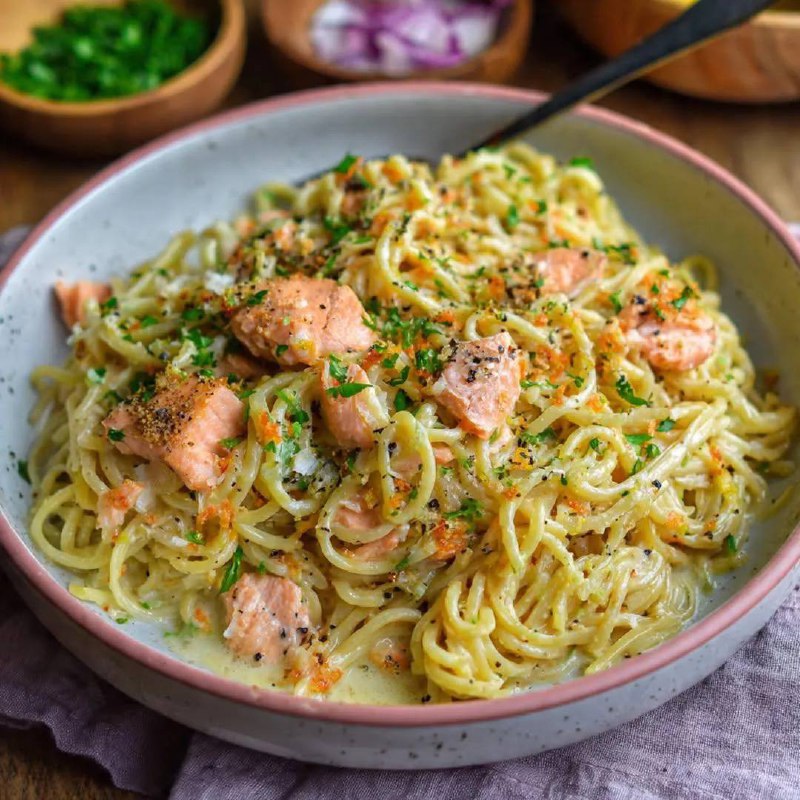
There are few things as comforting and satisfying as a perfectly prepared pasta dish, and our “Cremige Lachs-Pasta mit Knoblauchbutter” (Creamy Salmon Pasta with Garlic Butter) is no exception. This recipe takes the humble weeknight meal and elevates it into something truly special, effortlessly combining the rich, flaky goodness of salmon with a velvety, aromatic garlic butter sauce that clings beautifully to every strand of pasta. It’s a dish that feels both elegant and incredibly approachable, making it a fantastic choice for a quick and delicious dinner after a long day, or even for impressing guests without spending hours in the kitchen.
What makes this creamy salmon pasta so universally appealing is its harmonious blend of flavors and textures. The delicate sweetness of the salmon, packed with beneficial omega-3 fatty acids, finds its perfect partner in a decadent cream sauce infused with the pungent warmth of garlic and the subtle richness of butter. Fresh herbs, like parsley and chives, cut through the richness, adding a vibrant freshness that brightens the entire dish. Each forkful promises a delightful experience: tender pasta, succulent salmon, and a luxurious sauce that’s utterly irresistible.
This recipe is designed for both speed and flavor, proving that you don’t need a complicated ingredient list or advanced culinary skills to create something truly spectacular. It’s a versatile dish that can be adapted to your pantry and preferences, offering a gourmet experience with minimal effort. Whether you’re a seasoned chef or a kitchen novice, prepare to fall in love with this creamy, dreamy salmon pasta – it’s destined to become a staple in your recipe repertoire.
Nutritional Information
Per serving (approximate values):
- Calories: 720 kcal
- Protein: 45g
- Carbohydrates: 60g
- Fat: 35g
- Fiber: 3g
- Sodium: 650mg
Ingredients
- 400g spaghetti or linguine
- 2 (approx. 180g each) salmon fillets, skin removed, cut into 2-3 cm chunks
- 2 tbsp olive oil
- 4 tbsp unsalted butter
- 6 cloves garlic, minced
- 1 small shallot, finely diced (optional, but recommended for depth)
- 250ml heavy cream (whipping cream)
- 120ml pasta water (reserved from cooking)
- Juice of 1/2 lemon
- 1/2 tsp red pepper flakes (optional, for a subtle kick)
- 1/4 cup fresh parsley, finely chopped, plus more for garnish
- 2 tbsp fresh chives, finely chopped, plus more for garnish
- Salt and freshly ground black pepper to taste
- Optional garnishes: Lemon zest, freshly grated Parmesan cheese, toasted breadcrumbs
Instructions
- Cook the Pasta: Bring a large pot of generously salted water to a rolling boil. Add the spaghetti or linguine and cook according to package directions until al dente. Before draining, reserve about 1 ½ cups of the starchy pasta water. Drain the pasta and set aside.
- Prepare the Salmon: While the pasta is cooking, pat the salmon chunks dry with paper towels. Season them generously with salt and black pepper. Heat 1 tablespoon of olive oil in a large skillet or frying pan over medium-high heat. Once hot, add the salmon chunks in a single layer, ensuring not to overcrowd the pan (cook in batches if necessary). Sear for 2-3 minutes per side, until golden brown and cooked through but still flaky and moist. Remove the salmon from the skillet and set aside on a plate.
- Start the Garlic Butter Sauce: In the same skillet (no need to clean it), reduce the heat to medium-low. Add the butter and the remaining 1 tablespoon of olive oil. Once the butter has melted, add the minced garlic and finely diced shallot (if using). Sauté gently for 1-2 minutes, stirring constantly, until fragrant and softened but not browned. Be careful not to burn the garlic, as this will make it bitter.
- Build the Creamy Sauce: Pour in the heavy cream and bring it to a gentle simmer, stirring occasionally. Add the red pepper flakes (if using) and season with a pinch of salt and a good grinding of black pepper. Let the sauce simmer for 3-5 minutes, allowing it to slightly thicken.
- Achieve Perfect Consistency: Gradually whisk in about 1 cup of the reserved pasta water into the simmering cream sauce. This starchy water will help emulsify the sauce, making it incredibly silky and ensuring it clings beautifully to the pasta. Continue to simmer for another 2-3 minutes, adjusting the consistency with more pasta water if the sauce is too thick, or letting it reduce slightly if it’s too thin. You want a sauce that is rich but still pourable. Stir in the lemon juice at this stage for a bright, fresh counterpoint to the richness.
- Combine Everything: Add the cooked and drained pasta directly into the skillet with the creamy garlic butter sauce. Toss vigorously with tongs to ensure every strand of pasta is thoroughly coated in the luxurious sauce.
- Gently Fold in Salmon and Herbs: Carefully add the cooked salmon chunks and most of the chopped fresh parsley and chives to the pasta. Gently fold them into the pasta and sauce mixture. Be gentle to avoid breaking up the salmon too much.
- Serve and Garnish: Taste and adjust seasonings one last time, adding more salt, pepper, or lemon juice if needed. Divide the creamy salmon pasta among serving bowls. Garnish generously with additional fresh parsley and chives. For an extra touch of flavor and texture, sprinkle with lemon zest, freshly grated Parmesan cheese, or toasted breadcrumbs if desired. Serve immediately and enjoy!
Cooking Tips and Variations
To achieve the best possible “Cremige Lachs-Pasta mit Knoblauchbutter,” attention to a few key details can make all the difference. Firstly, the secret to truly delicious pasta is cooking it al dente – meaning “to the tooth.” It should be firm to the bite, not mushy. This not only provides a pleasant texture but also helps the pasta absorb the sauce better. Always taste your pasta a minute or two before the package suggests it’s done. Crucially, don’t forget to reserve some of that starchy pasta water! This liquid gold is essential for creating a silky, emulsified sauce that perfectly coats the pasta, helping to bind the fats and liquids together and preventing a greasy or watery result. It’s your best friend for adjusting sauce consistency.
When it comes to the star of the show, the salmon, proper cooking is paramount. Salmon cooks quickly, so keep a close eye on it. You want it to be cooked through but still moist and flaky, not dry or tough. Overcooked salmon loses its delicate texture and flavor. A good indicator that salmon is done is when it easily flakes with a fork. For the garlic butter sauce, be vigilant when sautéing the garlic and shallots. Garlic can go from perfectly fragrant to bitter and burnt in a matter of seconds. Keep the heat medium-low and stir constantly until it’s just softened and aromatic. The quality of your ingredients also matters; opt for fresh, good-quality salmon and real butter for the best flavor.
This recipe is wonderfully versatile, allowing for numerous delicious variations to suit your taste or what you have on hand. If you’re looking to add more vegetables, consider stirring in a handful of fresh spinach or arugula during the last minute of cooking the pasta and sauce, allowing them to wilt slightly. Blanched asparagus spears, halved cherry tomatoes, or even sautéed mushrooms can also be excellent additions, providing extra nutrients and texture. For a different flavor profile, a splash of dry white wine (like Pinot Grigio or Sauvignon Blanc) can be added to the skillet after sautéing the garlic and shallots, allowing it to reduce by half before adding the cream. This adds a lovely depth and acidity.
If you prefer a lighter sauce, you can substitute some of the heavy cream with milk or even chicken broth, though this will result in a less rich consistency. For those who enjoy a bit of heat, increase the amount of red pepper flakes or add a pinch of cayenne pepper. A squeeze of fresh lemon juice at the end brightens the entire dish and balances the richness of the cream, so don’t skip it! You can also experiment with different types of pasta – penne, fettuccine, or farfalle would all work well, each offering a slightly different textural experience. Finally, while Parmesan cheese is an optional garnish, a sprinkle of freshly grated hard cheese like Pecorino Romano or Grana Padano can add an extra layer of salty, umami flavor. Don’t be afraid to make this recipe your own!
Storage and Reheating
While creamy pasta dishes are always best enjoyed fresh, you can store and reheat leftovers of this Creamy Salmon Pasta with Garlic Butter, provided you do so properly to maintain as much flavor and texture as possible. Allow the pasta to cool completely to room temperature before transferring it to an airtight container. Refrigerate promptly within two hours of cooking. It will keep well in the refrigerator for up to 2-3 days. For best results, separate the salmon chunks from the pasta if possible before storing, as salmon can dry out or become rubbery when reheated.
When reheating, the key is to do so gently to prevent the sauce from breaking and the salmon from overcooking. For individual portions, the microwave can be used, but with caution. Place the pasta in a microwave-safe dish, add a splash of milk, cream, or even water (about 1-2 tablespoons per serving) to help rehydrate the sauce. Cover loosely and heat on medium power in 1-minute intervals, stirring in between, until heated through. Be careful not to overheat, as this can cause the sauce to separate and the salmon to become tough.
Alternatively, reheating on the stovetop is often preferred for more even heating and better sauce consistency. Transfer the pasta to a skillet or saucepan over medium-low heat. Add a splash of liquid (milk, cream, or water) to loosen the sauce. Stir gently and continuously until the pasta is warmed through and the sauce is creamy again. If you separated the salmon, add it back to the pasta during the last minute of reheating to warm it gently. Avoid high heat, as it can cause the cream to curdle. A fresh sprinkle of herbs and a squeeze of lemon juice after reheating can help revive the flavors.
Frequently Asked Questions
Can I use frozen salmon for this recipe?
Yes, you can definitely use frozen salmon fillets for this recipe. Just make sure to thaw them completely in the refrigerator overnight or using the cold water method before cutting them into chunks and cooking. Pat them very dry before searing to ensure a nice crust.
What can I do if my sauce is too thick or too thin?
If your sauce is too thick, simply add more of the reserved pasta water, a tablespoon at a time, while stirring over low heat until it reaches your desired consistency. If the sauce is too thin, let it simmer gently for a few more minutes, stirring occasionally, to allow it to reduce and thicken naturally. If it still needs help, you can mix a teaspoon of cornstarch with a tablespoon of cold water, then whisk this slurry into the simmering sauce and cook for another minute until thickened.
Can I make this recipe dairy-free or gluten-free?
Making this recipe dairy-free is possible by substituting the heavy cream with a full-fat coconut milk (for a slightly different flavor profile) or a dairy-free cream alternative, and using a plant-based butter. For a gluten-free version, simply use your favorite gluten-free pasta. The rest of the ingredients are naturally gluten-free.