Introduction
Step right up, adventurous foodies and curious cooks! Are you ready to embark on a culinary journey that promises crispy perfection and tender, flavorful meat? Forget everything you thought you knew about “exotic” dishes, because today we’re diving into the delightful world of Crispy Fried Frog Legs. Often compared to chicken wings but with a more delicate texture and a subtly sweet, mild flavor, frog legs are a surprisingly accessible and incredibly delicious delicacy that deserves a prime spot on your home cooking repertoire. This recipe is your ultimate guide, designed to demystify the process and empower you to create a dish that will impress even the most discerning palates.
For centuries, frog legs have been cherished in various cuisines around the globe, from the bustling markets of France to the vibrant street food scenes of Asia. Their unique appeal lies not just in their novelty, but in their truly exquisite taste and texture. When perfectly prepared, the meat is incredibly tender and flaky, while the exterior boasts an irresistible crunch that sings with every bite. Our recipe focuses on achieving this ideal balance, ensuring each frog leg is moist on the inside and gloriously golden-brown and crispy on the outside, seasoned to perfection to enhance its natural deliciousness.
Preparing crispy fried frog legs at home might sound daunting, but with our clear, step-by-step instructions and expert tips, you’ll discover it’s a rewarding and surprisingly straightforward process. We’ll cover everything from sourcing the best frog legs to mastering the art of the perfect breading and achieving optimal frying temperatures. Get ready to transform a humble ingredient into a gourmet experience that’s both fun to make and absolutely unforgettable to eat. Prepare to wow your family and friends with this unique and incredibly tasty dish!
Nutritional Information
Per serving (approximate values for 4-5 frog legs, breaded and fried):
- Calories: 350-450
- Protein: 25-35g
- Carbohydrates: 20-30g
- Fat: 20-30g
- Fiber: 1-2g
- Sodium: 400-600mg
Ingredients
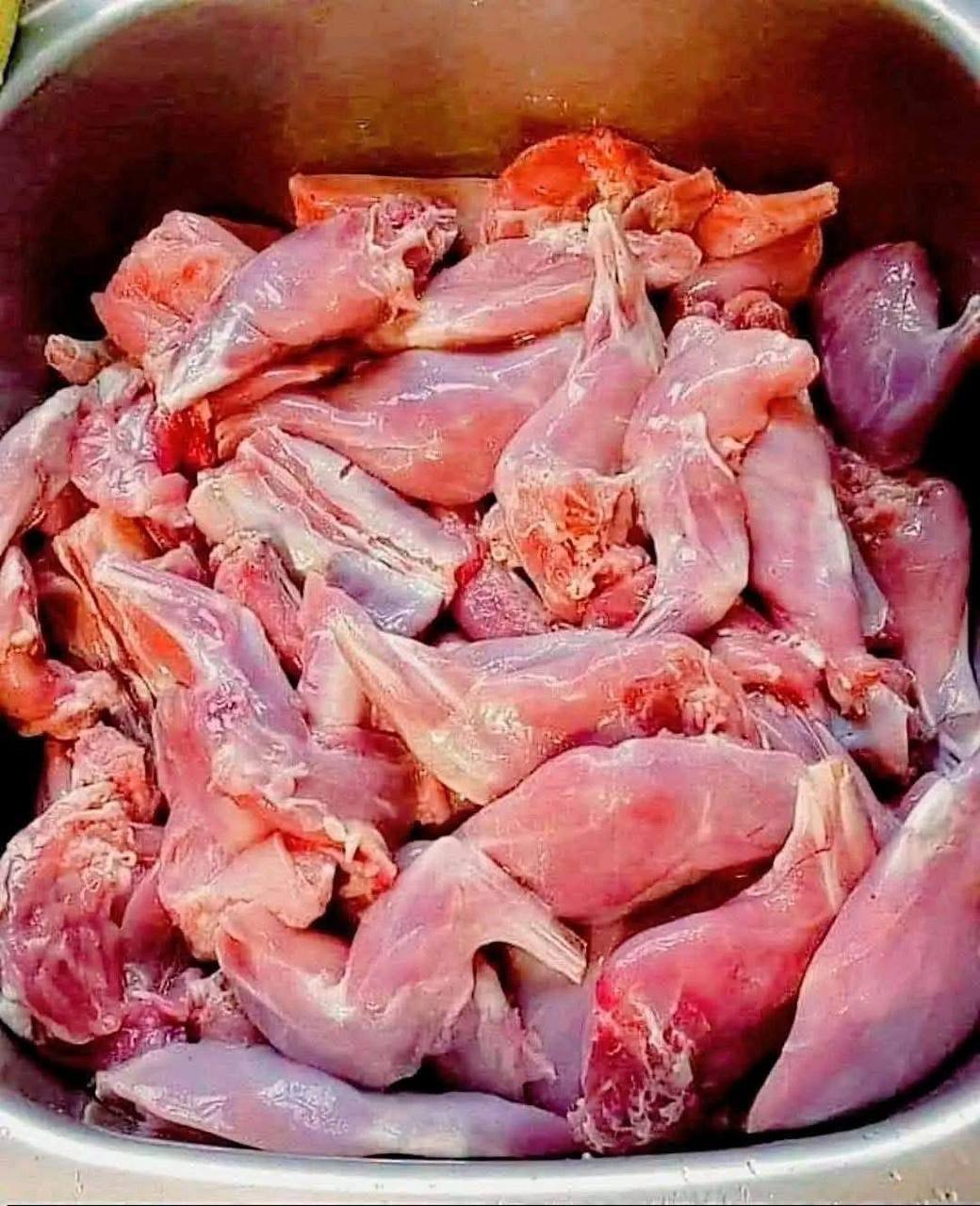
- 1.5 lbs frog legs, thawed if frozen, cleaned and trimmed
- 1 cup buttermilk (or milk with 1 tbsp lemon juice/vinegar)
- 2 cups all-purpose flour
- 1/2 cup cornstarch
- 2 teaspoons smoked paprika
- 1 teaspoon garlic powder
- 1 teaspoon onion powder
- 1 teaspoon dried thyme
- 1/2 teaspoon cayenne pepper (optional, for heat)
- 1.5 teaspoons salt, plus more for seasoning the meat
- 1 teaspoon black pepper, plus more for seasoning the meat
- 2 large eggs
- 1/4 cup water or additional buttermilk
- 4-6 cups vegetable oil, peanut oil, or canola oil for deep frying
- Lemon wedges, for serving
- Fresh parsley, chopped, for garnish (optional)
Instructions
- Prepare the Frog Legs: If using frozen frog legs, thaw them completely in the refrigerator overnight. Rinse the thawed frog legs thoroughly under cold running water. Pat them very dry with paper towels. Season the frog legs lightly all over with salt and black pepper.
- Soak in Buttermilk: Place the seasoned frog legs in a large bowl. Pour the buttermilk over them, ensuring they are fully submerged. Cover the bowl and refrigerate for at least 30 minutes, or up to 2 hours. This step helps tenderize the meat and allows the breading to adhere better.
- Set Up Breading Station: In a shallow dish or pie plate, whisk together the all-purpose flour, cornstarch, smoked paprika, garlic powder, onion powder, dried thyme, cayenne pepper (if using), 1.5 teaspoons salt, and 1 teaspoon black pepper until well combined. This is your seasoned flour mixture.
- Prepare Egg Wash: In another shallow dish, whisk the two large eggs with 1/4 cup of water or additional buttermilk until smooth. This is your wet batter or egg wash.
- Dredge the Frog Legs: Remove the frog legs from the buttermilk, allowing any excess to drip off (do not rinse). Working in batches, dredge each frog leg first in the seasoned flour mixture, ensuring it’s completely coated. Shake off any excess flour.
- Dip and Re-Dredge: Dip the flour-coated frog leg into the egg wash, letting excess drip off. Immediately transfer it back to the seasoned flour mixture. Coat thoroughly again, pressing the flour onto the meat to ensure good adhesion. This double dredging creates a thicker, crispier crust. Place the breaded frog legs on a wire rack set over a baking sheet and let them rest for 10-15 minutes. This allows the coating to set, preventing it from flaking off during frying.
- Heat the Oil: Pour the frying oil into a large, heavy-bottomed pot, Dutch oven, or deep fryer. Fill it to a depth of about 3-4 inches, ensuring there’s enough space for the oil to bubble without overflowing when the frog legs are added. Heat the oil over medium-high heat until it reaches 350-360°F (175-180°C). Use a candy or deep-fry thermometer to monitor the temperature accurately.
- Fry the Frog Legs: Carefully add 3-4 breaded frog legs to the hot oil, ensuring not to overcrowd the pot. Overcrowding will lower the oil temperature and result in greasy, soggy frog legs. Fry for 4-6 minutes, flipping them occasionally, until they are golden brown, crispy, and cooked through. The internal temperature of the thickest part of the meat should reach 165°F (74°C).
- Drain and Season: Using tongs or a spider, remove the fried frog legs from the oil and transfer them to a clean wire rack set over a baking sheet lined with paper towels to drain excess oil. Immediately sprinkle with a pinch of additional salt while they are still hot.
- Repeat and Serve: Continue frying the remaining frog legs in batches, ensuring the oil returns to the correct temperature before adding each new batch. Serve the crispy fried frog legs hot, garnished with fresh chopped parsley (if desired) and plenty of lemon wedges for squeezing. They are also excellent with your favorite dipping sauces like garlic butter, remoulade, or hot sauce.
Cooking Tips and Variations
Sourcing Quality Frog Legs: Always buy frog legs from a reputable butcher or seafood market. They are most commonly sold frozen. If buying fresh, ensure they are firm and have a clean, mild smell. Thaw frozen legs slowly in the refrigerator for the best texture.
The Buttermilk Soak is Key: Don’t skip the buttermilk soak! It’s crucial for tenderizing the meat and neutralizing any subtle “gamey” flavors, leaving the frog legs with a clean, mild taste. If you don’t have buttermilk, you can make your own by adding 1 tablespoon of lemon juice or white vinegar to regular milk and letting it sit for 5-10 minutes until it curdles slightly.
Achieving Maximum Crispiness: The double dredging technique and resting the breaded frog legs are vital for a super crispy crust. The cornstarch in the flour mixture also contributes significantly to that golden, crunchy exterior. Ensure your oil is at the correct temperature (350-360°F or 175-180°C); too low, and the breading will absorb too much oil and be greasy; too high, and it will burn before the meat cooks through.
Seasoning is Everything: Don’t be shy with the spices in your flour mixture. Frog legs have a mild flavor that benefits greatly from a well-seasoned coating. Feel free to adjust the spice blend to your preference – adding a pinch of smoked paprika for depth, a touch of cayenne for heat, or even some dried oregano or basil for an herbaceous note.
Maintain Oil Temperature: A deep-fry thermometer is your best friend when frying. Oil temperature tends to drop when food is added, so fry in small batches to help maintain consistency. If the temperature drops too much, wait for it to come back up before adding the next batch.
Spice It Up: For a spicier kick, increase the amount of cayenne pepper in the breading mixture, or add a pinch of chili powder. You could also serve them with a spicy sriracha mayo or a fiery hot sauce.
Herbaceous Twist: Incorporate finely chopped fresh herbs like rosemary or sage into your flour mixture for an aromatic variation. A hint of lemon zest in the breading can also add a bright, zesty note.
Garlic Butter Dipping Sauce: A classic pairing! Melt 1/2 cup unsalted butter with 2-3 cloves of minced garlic and a tablespoon of fresh chopped parsley. Serve warm alongside the fried frog legs for dipping.
Air Fryer Option (for a lighter version): While deep-frying provides the ultimate crispiness, you can adapt this recipe for an air fryer. After breading, lightly spray the frog legs with cooking oil. Air fry at 375°F (190°C) for 15-20 minutes, flipping halfway through, until golden brown and cooked through. The texture will be slightly different but still delicious and much lighter.
Storage and Reheating
Storing Leftovers: Cooked crispy fried frog legs are best enjoyed fresh, but leftovers can be stored. Allow them to cool completely to room temperature before transferring them to an airtight container. Refrigerate for up to 2-3 days. Storing them on a paper towel inside the container can help absorb any moisture and prevent them from becoming too soggy.
Reheating: To restore some of their crispiness, avoid the microwave for reheating. The best methods are:
- Oven: Preheat your oven to 375°F (190°C). Place the frog legs on a wire rack set over a baking sheet. Heat for 10-15 minutes, or until heated through and crispy.
- Air Fryer: Preheat your air fryer to 350°F (175°C). Place the frog legs in a single layer in the air fryer basket. Cook for 5-8 minutes, or until hot and crispy.
- Skillet: Heat a small amount of oil in a non-stick skillet over medium heat. Add the frog legs and cook for a few minutes per side until heated through and crispy.
While reheating will bring back some crispiness, it may not be as perfectly crunchy as when freshly made. However, the flavor will still be delicious.
Frequently Asked Questions
What do frog legs taste like?
Frog legs are often described as tasting like a mild combination of chicken and fish. The meat is white, firm, and flaky, similar to a delicate white fish, but with a texture and tenderness closer to chicken dark meat, particularly chicken wings. They have a very mild, subtly sweet flavor, which makes them an excellent canvas for various seasonings and sauces.
Are frog legs safe to eat?
Yes, frog legs are perfectly safe to eat when sourced from reputable suppliers and cooked properly. Like any meat, they should be handled with care to prevent cross-contamination and cooked to an internal temperature of 165°F (74°C) to ensure any bacteria are killed. The frog legs sold for consumption are typically farm-raised or wild-caught from clean environments.
Can I use an egg substitute instead of real eggs for the wet batter?
While real eggs provide the best adhesion and contribute to the rich golden color, you can experiment with egg substitutes. A flax egg (1 tbsp ground flaxseed mixed with 3 tbsp water, let sit for 5 minutes) or a commercial egg replacer might work for the wet batter, though the texture of the coating could be slightly different. Some people also use a simple milk or buttermilk dip without eggs for a lighter coating, but it might not adhere as well.
Why did my frog legs turn out soggy instead of crispy?
Several factors can lead to soggy frog legs. The most common culprits are oil temperature that is too low (causing the breading to absorb too much oil), overcrowding the pot (which drops the oil temperature), not allowing the breading to set before frying, or not patting the frog legs dry enough before coating. Ensure your oil is consistently between 350-360°F (175-180°C), fry in small batches, and allow the breaded frog legs to rest for 10-15 minutes before frying to achieve that desired crispiness.