Introduction
Prepare to be enchanted by the delicate dance of air and flavor in every bite of these delicious soufflé cups! Often seen as a culinary challenge reserved for professional chefs, soufflés are, in fact, surprisingly achievable for the home cook. These individual portions offer all the impressive elegance of a classic soufflé with the added convenience of single servings, making them perfect for a dinner party dessert or a special treat for two. Imagine a cloud-like texture, light as air, that melts in your mouth, leaving behind a whisper of sweet vanilla or your chosen flavor. That’s the magic of a perfectly baked soufflé cup.
What makes a soufflé so uniquely special? It’s the incredible transformation of simple ingredients into a puffed, golden wonder. The secret lies in the meticulous incorporation of whipped egg whites, which create countless tiny air pockets that expand in the heat of the oven, causing the soufflé to rise dramatically. The result is a dessert that is crisp on the outside, incredibly tender and airy within, and boasts a delicate flavor profile that can be easily customized. While they have a reputation for being finicky, with a few key techniques and a little patience, you’ll be baking these show-stopping soufflé cups with confidence.
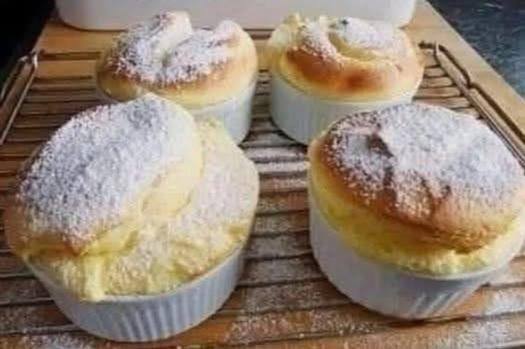
These delicious soufflé cups are more than just a dessert; they’re an experience. The moment they emerge from the oven, tall and proud, dusted with a fine veil of powdered sugar, they command attention. But their beauty is fleeting – part of their charm is their famous tendency to deflate ever so slightly as they cool, a gentle reminder of their ethereal nature. This makes serving them immediately a crucial part of the soufflé ritual, ensuring you and your guests enjoy them at their absolute peak of perfection. Get ready to impress with this delightful, airy confection!
Nutritional Information
Per serving (approximate values):
- Calories: 280
- Protein: 8g
- Carbohydrates: 35g
- Fat: 12g
- Fiber: 0.5g
- Sodium: 120mg
Ingredients
- 4 large eggs, separated, at room temperature
- 1/4 cup (50g) granulated sugar, plus 2 tablespoons for ramekins
- 2 tablespoons (28g) unsalted butter, plus extra for greasing ramekins
- 2 tablespoons all-purpose flour
- 1 cup (240ml) whole milk
- 1 teaspoon pure vanilla extract
- 1/4 teaspoon cream of tartar (optional, but recommended for egg whites)
- Pinch of salt
- Powdered sugar, for dusting
Instructions
- Prepare the Ramekins: Preheat your oven to 375°F (190°C). Generously butter six 4-ounce (120ml) ramekins, ensuring you butter all the way up the sides. Sprinkle 1 tablespoon of granulated sugar into each ramekin, rotating to coat the bottom and sides evenly. Discard any excess sugar. This sugared coating helps the soufflés rise cleanly and creates a slightly crisp exterior. Place the prepared ramekins on a baking sheet.
- Make the Soufflé Base (Crème Pâtissière/Béchamel Hybrid): In a medium saucepan over medium heat, melt the 2 tablespoons of butter. Once melted, add the 2 tablespoons of flour and whisk constantly for 1-2 minutes to create a smooth roux. Do not let it brown.
- Gradually whisk in the whole milk, a little at a time, ensuring no lumps form. Continue whisking until the mixture thickens and comes to a gentle boil, about 3-5 minutes. Remove from heat.
- Whisk in 1/4 cup (50g) of the granulated sugar, the vanilla extract, and the pinch of salt until fully combined.
- Add the egg yolks one at a time, whisking vigorously after each addition to temper them and prevent scrambling. Continue whisking until the mixture is smooth and glossy. This is your soufflé base. Set aside and allow it to cool slightly while you prepare the egg whites.
- Whip the Egg Whites: In a very clean, dry large bowl (preferably glass or metal, as plastic can retain grease), add the room-temperature egg whites. Ensure there is absolutely no trace of egg yolk in the whites, as fat will prevent them from whipping properly.
- Using an electric mixer (handheld or stand mixer with a whisk attachment), begin whipping the egg whites on medium speed. Once they become foamy, add the cream of tartar (if using).
- Increase the speed to medium-high and continue whipping. Gradually add the remaining 2 tablespoons of granulated sugar, one tablespoon at a time, as the whites become opaque. Continue whipping until the egg whites form stiff, glossy peaks. When you lift the whisk, the peaks should stand straight up and not droop. Be careful not to overbeat, as they can become dry and crumbly.
- Combine the Mixtures (The Folding): Add about one-third of the whipped egg whites to the slightly cooled soufflé base. Gently fold them in with a spatula to lighten the base. Don’t worry too much about deflating the whites at this stage; this step helps to equalize the densities of the two mixtures.
- Now, gently add the remaining egg whites to the lightened base. Using a large spatula, carefully fold the egg whites into the base using an upward, circular motion, scraping down the sides of the bowl as you go. The goal is to incorporate the whites without deflating them. Stop folding as soon as no streaks of white remain; overmixing will cause the soufflé to lose its airiness.
- Fill the Ramekins: Carefully spoon the soufflé mixture into the prepared ramekins, filling them almost to the very top. Use a knife or your thumb to run around the inside rim of each ramekin, creating a small gap between the soufflé mixture and the edge. This “collar” helps the soufflé rise straight up.
- Bake the Soufflés: Place the baking sheet with the filled ramekins into the preheated oven. Bake for 15-20 minutes, or until the soufflés are beautifully puffed, golden brown on top, and jiggle slightly in the center when gently shaken. Resist the urge to open the oven door during the first 10-12 minutes of baking, as this can cause them to deflate.
- Serve Immediately: Once baked, remove the soufflé cups from the oven. Dust generously with powdered sugar through a fine-mesh sieve. Serve immediately, as soufflés are notoriously delicate and will begin to deflate within minutes of being removed from the oven. Enjoy the ephemeral beauty and incredible lightness!
Cooking Tips and Variations
Achieving soufflé perfection is all about technique, particularly when it comes to the egg whites. Firstly, ensure your egg whites are at room temperature; this allows them to whip up to a greater volume and create a more stable foam. Always use a scrupulously clean, dry bowl and whisk for your egg whites. Any trace of grease or yolk will prevent them from whipping properly, leading to a flat soufflé. When whipping, add the sugar gradually once the whites are foamy, and whip until they form stiff, glossy peaks – they should hold their shape without drooping. However, be careful not to overbeat, as dry, crumbly whites are difficult to fold and will also result in a less airy soufflé. The folding step is perhaps the most crucial: use a gentle, upward motion with a wide spatula, incorporating the egg whites into the base without deflating them. Stop as soon as no white streaks remain.
Proper ramekin preparation is another key factor for a good rise. Generously buttering and sugaring the ramekins not only prevents sticking but also provides a surface for the soufflé to cling to as it rises, helping it climb higher. Running your thumb or a knife around the rim of the filled ramekin creates a slight gap, which encourages an even, vertical rise. During baking, resist the urge to open the oven door, especially in the first two-thirds of the cooking time, as the sudden drop in temperature can cause the delicate structure to collapse. Soufflés are best enjoyed immediately; their beauty is fleeting, so have your powdered sugar ready and serve them hot from the oven.
For delicious variations, the possibilities are endless. To make a rich chocolate soufflé, melt 2 ounces of good quality dark chocolate (60-70% cacao) and whisk it into the soufflé base along with the egg yolks. You can also incorporate a tablespoon of cocoa powder. For a zesty lemon soufflé, add 1-2 tablespoons of fresh lemon zest and 1 tablespoon of lemon juice to the base. Berry soufflés can be made by folding in 1/4 cup of finely crushed freeze-dried berries (such as raspberries or strawberries) into the base, or by adding a tablespoon of berry purée. For an almond twist, replace 1/4 cup of the milk with amaretto liqueur and add 1/2 teaspoon of almond extract. Savory soufflés are also fantastic; omit the sugar and vanilla, and instead, whisk in grated cheese (like Gruyère, Parmesan, or cheddar), herbs, or even cooked, finely chopped vegetables into the béchamel base. Just remember to adjust the seasoning with salt and pepper accordingly.
Storage and Reheating
Soufflés are famously ephemeral, and their magic lies in their immediate presentation from the oven. Unfortunately, they do not store or reheat well in their puffed-up state. Once a soufflé cools, the air pockets within collapse, and the delicate, airy texture is lost. It will become dense and custard-like, rather than light and ethereal. Therefore, it is strongly recommended to bake and serve soufflés fresh, just before you plan to eat them.
If, by some slim chance, you have any leftover soufflé cups, you can store them in an airtight container in the refrigerator for up to 1 day. However, please manage your expectations regarding their texture. They will have completely deflated and will no longer resemble their original puffed form. Reheating them in a microwave will further compromise their texture, turning them rubbery. You could try gently warming them in a preheated oven at 300°F (150°C) for about 5-10 minutes, but they will not regain their rise or lightness. Instead, they will be more like a warm, dense custard. For the truly authentic soufflé experience, always aim to enjoy them straight from the oven.
Frequently Asked Questions
Why did my soufflé deflate?
Soufflés are delicate! The most common reasons for deflation include opening the oven door too early during baking (which causes a sudden temperature drop), overmixing the egg whites into the base (which deflates the air), or simply waiting too long to serve them after they come out of the oven. Ensure your egg whites are properly whipped to stiff peaks and you fold gently, then resist peeking into the oven, and serve immediately.
Can I prepare the soufflé mixture ahead of time?
While you can prepare the soufflé base (the crème pâtissière part) a few hours ahead and keep it covered in the refrigerator, the final mixture with the folded egg whites should be baked immediately. The air incorporated into the egg whites is essential for the soufflé’s rise, and this air will deflate over time if the mixture sits unbaked. For best results, assemble and bake just before serving.
What kind of ramekins should I use?
Standard 4-ounce (120ml) ceramic ramekins are ideal for individual soufflé cups. Their sturdy sides help support the rising soufflé, and the ceramic material distributes heat evenly. Ensure they are oven-safe. You can also use other small oven-safe dishes of similar volume, but classic ramekins work best for that iconic soufflé shape.
How do I know when my soufflé is done?
A perfectly baked soufflé will be beautifully puffed and golden brown on top. When gently jiggled, the center should still have a slight wobble, indicating it’s stillCustard-like and moist inside. If it feels completely firm, it might be slightly overbaked, leading to a drier texture. If it’s too wobbly or pale, it needs a few more minutes. Trust your eyes and a gentle touch.