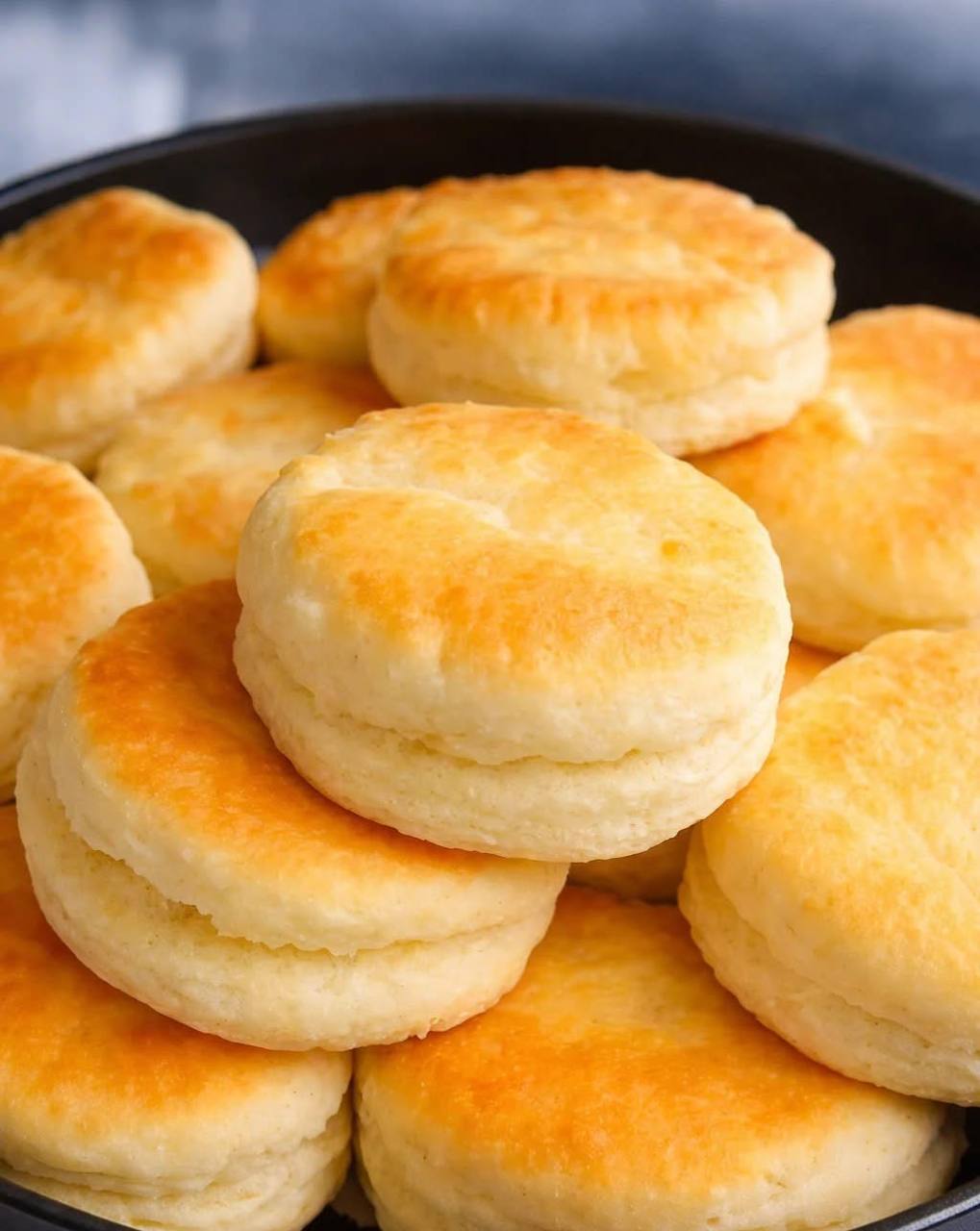
Instructions
- Preheat your oven to 425°F (220°C). Line a baking sheet with parchment paper.
- In a large bowl, whisk together the whole wheat pastry flour (or flour blend), baking powder, baking soda, salt, and optional erythritol/monk fruit sweetener.
- Add the cubed cold butter and cold coconut oil to the dry ingredients. Using a pastry blender, your fingertips, or a food processor, cut the fats into the flour mixture until it resembles coarse crumbs with some pea-sized pieces remaining. It’s crucial to keep the fats cold to achieve a flaky texture.
- In a separate small bowl or measuring cup, combine the unsweetened almond milk and apple cider vinegar. Let it sit for 5 minutes to “curdle” and create a buttermilk substitute.
- Pour the almond milk mixture into the flour mixture. Stir with a fork until just combined and a shaggy dough forms. Be careful not to overmix, as this can lead to tough biscuits.
- Turn the dough out onto a lightly floured surface (use whole wheat flour). Gently knead the dough 4-5 times, just enough to bring it together. Do not overwork it.
- Pat the dough into a rectangle about 1/2 to 3/4 inch thick. For extra flakiness, you can perform a “fold.” Fold one-third of the dough over the middle, then fold the other third over that (like folding a letter). Gently pat it down again to 1/2 to 3/4 inch thick. Repeat this folding process once more.
- Using a 2-inch biscuit cutter, cut out biscuits. Press straight down and lift; do not twist the cutter, as this can seal the edges and prevent rising. Re-roll scraps gently and cut out additional biscuits until all dough is used.
- Place the biscuits on the prepared baking sheet, ensuring they are close together but not touching, which helps them rise taller.
- Brush the tops of the biscuits with the remaining 1 tablespoon of unsweetened almond milk for a golden finish.
- Bake for 12-15 minutes, or until golden brown on top and cooked through.
- Remove from the oven and let cool slightly on the baking sheet before serving.
Cooking Tips and Variations
For the flakiest biscuits, ensure your fats (butter and coconut oil) are as cold as possible. You can even cube them and pop them in the freezer for 10-15 minutes before using. This creates steam pockets in the oven, leading to those desirable layers.
When mixing, less is more. Overmixing develops gluten, which results in tough, dense biscuits. A shaggy, slightly crumbly dough is exactly what you’re aiming for before shaping.
Don’t twist your biscuit cutter! Press straight down and pull straight up. Twisting seals the edges of the dough, preventing the biscuits from rising properly.
For savory variations, consider adding 1/4 cup shredded sharp cheddar cheese and 1 tablespoon chopped fresh chives or dill to the dry ingredients. These flavors pair wonderfully and keep the biscuits diabetic-friendly.
If you prefer a slightly softer exterior, you can bake the biscuits closer together on the baking sheet. For crispier sides, space them further apart.
Serve these biscuits warm with sugar-free jam, a dollop of Greek yogurt, or alongside a lean protein breakfast like scrambled eggs and turkey bacon. They also make an excellent base for a sugar-free savory gravy.
Storage and Reheating
These diabetic-friendly biscuits are best enjoyed fresh, but they can be stored. Allow them to cool completely before placing them in an airtight container at room temperature for up to 2-3 days. For longer storage, freeze the cooled biscuits in a freezer-safe bag or container for up to 2 months.
To reheat, if from room temperature, warm them in a preheated oven at 350°F (175°C) for 5-7 minutes, or until heated through. If reheating from frozen, you can place them directly in a 350°F (175°C) oven for 10-15 minutes, or until warm and slightly crispy. A toaster oven also works well for reheating individual biscuits.
Frequently Asked Questions
Can I use a different type of flour?
While whole wheat pastry flour or a blend with almond flour is recommended for its lower glycemic impact and higher fiber content, you can experiment. Using 100% almond flour will result in a denser biscuit with a different texture, and you may need to adjust the liquid slightly. Avoid using regular all-purpose flour if you are strictly adhering to diabetic-friendly guidelines, as it has a higher carbohydrate and glycemic index.
How can I make these biscuits vegan?
This recipe is already nearly vegan! Simply ensure you use a plant-based unsweetened milk alternative (like almond milk) and use 100% solid coconut oil or a vegan butter substitute instead of dairy butter. The apple cider vinegar will still work to create a “buttermilk” effect with plant milk.
Are these biscuits suitable for a keto diet?
While these biscuits are lower in carbohydrates than traditional versions, they are not strictly keto due to the whole wheat pastry flour content. For a true keto biscuit, you would need to use a significantly higher proportion of almond flour or coconut flour, and adjust other ingredients accordingly. This recipe is designed more for a general diabetic-friendly approach rather than a very low-carb ketogenic diet.