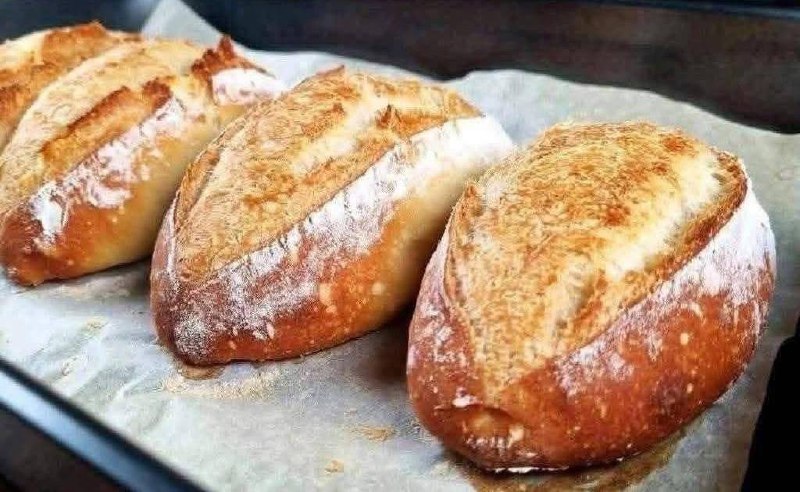
Instructions
- In a large mixing bowl, combine the flour, salt, and instant yeast. Whisk them together thoroughly to ensure the yeast and salt are evenly distributed throughout the flour. This step is crucial for consistent flavor and rise.
- Pour the warm water into the dry ingredients. Using a wooden spoon or a sturdy spatula, mix until a shaggy, sticky dough forms and no dry streaks of flour remain. Do not overmix; just ensure everything is incorporated. The dough will be quite wet and sticky, which is exactly what you want for this high-hydration recipe.
- Cover the bowl tightly with plastic wrap or a clean kitchen towel. Let the dough rest at room temperature (ideally between 68-72°F / 20-22°C) for a minimum of 12 hours, and preferably up to 18 hours. During this long fermentation period, the yeast will work its magic, developing complex flavors and creating the gluten structure without any kneading from you. The dough will rise, become bubbly, and may even have a slightly sour aroma.
- Once the bulk fermentation is complete, generously flour a clean work surface. Gently scrape the dough out of the bowl onto the floured surface. Avoid deflating it too much.
- With floured hands, gently fold the edges of the dough towards the center to form a rough ball. Flip the dough over so the seam is on the bottom. Do not knead it; just gently shape it into a round.
- Place a piece of parchment paper (about 12×12 inches) on your counter. Carefully transfer the shaped dough onto the parchment paper, seam-side down. This parchment paper will be used to transfer the dough to the hot Dutch oven later.
- Loosely cover the dough with plastic wrap or a clean kitchen towel and let it proof for another 30-60 minutes at room temperature. During this time, the dough will relax and slightly expand. While the dough is proofing, preheat your oven.
- About 30 minutes into the proofing time, place a 5-6 quart Dutch oven with its lid into your oven. Preheat the oven to 450°F (232°C). Allow the Dutch oven to preheat for at least 30 minutes along with the oven; this is critical for achieving a crisp crust.
- Once the oven and Dutch oven are fully preheated, carefully remove the hot Dutch oven from the oven using oven mitts. Take off the lid.
- Using the parchment paper as a sling, carefully lift the dough and gently lower it into the hot Dutch oven. Be very careful as the Dutch oven is extremely hot.
- If desired, now is the time to score the top of the dough. Using a very sharp knife, a razor blade, or a bread lame, make one or two quick, decisive slashes about ½ inch deep across the top of the dough. This allows the bread to expand without tearing during baking.
- Place the lid back on the Dutch oven and return it to the hot oven. Bake for 30 minutes with the lid on.
- After 30 minutes, carefully remove the lid from the Dutch oven. The bread should be lightly golden and beginning to develop a crust.
- Continue baking, uncovered, for another 15-20 minutes, or until the crust is a deep golden brown and the internal temperature of the bread reaches 200-210°F (93-99°C) when measured with an instant-read thermometer.
- Carefully remove the Dutch oven from the oven. Using the parchment paper, lift the bread out of the Dutch oven and transfer it to a wire rack to cool completely. This cooling step is crucial; slicing into hot bread can result in a gummy texture. Let it cool for at least 1-2 hours before slicing and serving.
Cooking Tips and Variations
For the best results with your easy no-knead artisan bread, pay close attention to a few key details. Firstly, the water temperature for mixing the dough is important; it should be warm, not hot, to activate the yeast without killing it. Aim for a temperature between 105-115°F (40-46°C). If the water is too cold, the yeast will be sluggish, and if it’s too hot, it will die, both leading to a poor rise. Secondly, the long fermentation period is non-negotiable for flavor development. Don’t rush it! The 12-18 hour window allows the gluten to develop naturally and creates those wonderful complex flavors and airy crumb. If your kitchen is particularly cool, you might need to extend the fermentation time slightly, or if it’s very warm, reduce it. Look for visual cues like bubbles on the surface and a noticeable increase in volume.
When it comes to shaping, remember that less is more. This is a wet dough, and overworking it will deflate the precious air bubbles that developed during the long rise. A gentle series of folds to create surface tension is all that’s needed. For scoring, a very sharp implement is essential. A bread lame (a small curved blade on a handle), a razor blade, or even a very sharp paring knife will work. Make confident, quick cuts; hesitation can lead to dragging the dough. Scoring isn’t just for aesthetics; it allows the bread to expand in a controlled manner in the oven, preventing it from bursting unexpectedly and contributing to a beautiful ‘oven spring’.
The Dutch oven is truly the secret weapon for this recipe. Its heavy cast iron construction, combined with the lid, creates a mini-oven environment that traps steam. This steam keeps the crust soft and pliable for the initial baking phase, allowing the bread to fully expand before the crust sets. Once the lid is removed, the direct heat can then crisp up the crust to perfection. If you don’t have a Dutch oven, you can still make this bread! Preheat a baking stone or heavy baking sheet in the oven at 450°F (232°C). When it’s time to bake, carefully transfer the dough (on its parchment paper) to the hot stone/sheet. To create steam, place a pan of hot water on the bottom rack of your oven for the first 20 minutes of baking. You may need to adjust baking times slightly without the Dutch oven, keeping an eye on the crust.
For variations, try adding mix-ins! After the initial long fermentation, gently fold in ½ cup of ingredients like toasted walnuts, dried cranberries, grated Parmesan cheese, or even fresh rosemary and garlic. Just be careful not to overmix and deflate the dough. For a whole wheat version, substitute up to 1 cup of the all-purpose flour with whole wheat flour. Note that whole wheat flour absorbs more water, so you might need to add an extra tablespoon or two of water to achieve the right dough consistency. The texture will be denser, but the flavor will be nuttier. You can also experiment with different types of flour, such as bread flour for an even chewier crumb, or a small amount of rye flour for a more robust flavor profile.
Storage and Reheating
Once your easy no-knead artisan bread has cooled completely, it’s ready to be enjoyed! For optimal freshness, this bread is best consumed within 1-2 days. To store it, you have a few options. For short-term storage (up to 2 days), simply place the cooled loaf in a paper bag. This allows the crust to remain crisp while preventing the interior from drying out too quickly. Avoid storing artisan bread in plastic bags at room temperature, as this can make the crust soft and chewy, losing its desirable crispness. If you prefer, you can also wrap the loaf in a clean kitchen towel and store it on your counter.
If you plan to keep the bread for a longer period, or if you have leftovers, freezing is an excellent option. To freeze, wrap the cooled loaf tightly in plastic wrap, then an additional layer of aluminum foil. For individual slices, slice the bread first, then wrap each slice or small stack of slices in plastic wrap and foil before placing them in a freezer-safe bag. Frozen bread can be stored for up to 3 months. When you’re ready to enjoy it, simply remove it from the freezer and let it thaw at room temperature for a few hours. For best results, you can then refresh the loaf by spritzing it lightly with water and baking it in a preheated oven at 350°F (175°C) for 10-15 minutes, or until the crust is crisp again.
Reheating day-old or thawed bread can bring it back to life. To revive a whole loaf, preheat your oven to 350°F (175°C). Briefly run the loaf under cold water (yes, really!) to moisten the crust, then place it directly on the oven rack. Bake for 10-15 minutes, or until the crust is crisp and the interior is warmed through. For individual slices, you can toast them in a toaster, toaster oven, or pan-fry them in a little butter or olive oil. Microwaving is generally not recommended for artisan bread, as it tends to make the crust soft and the interior rubbery, detracting from its desirable texture.
Frequently Asked Questions
Why is my dough so sticky and hard to handle?
It’s completely normal for no-knead dough to be very wet and sticky! This high hydration is what contributes to the bread’s open, airy crumb and chewy texture. Don’t be tempted to add too much extra flour during the initial mix, as this will make the bread dense. When it comes time to shape, generously flour your hands and your work surface. Use a bench scraper or a floured spatula to help you gently fold and shape the dough. Remember, you’re not trying to knead it, just coax it into a round.
Can I use active dry yeast instead of instant yeast?
Yes, you can use active dry yeast, but it requires a slightly different activation step. If using active dry yeast, proof it first by dissolving it in the warm water (from the recipe) with a pinch of sugar (not included in the recipe, but helps activate the yeast) for about 5-10 minutes, or until it becomes foamy. Then, add this mixture to your dry ingredients. The overall fermentation time might also be slightly longer or shorter depending on the yeast’s activity, so always prioritize visual cues like bubbling and dough expansion.
My bread didn’t rise much, or it’s very dense. What went wrong?
There are a few common culprits for a lack of rise. The most frequent reason is inactive or old yeast. Always check the expiration date, and if you’re unsure, proof a small amount of yeast in warm water with sugar to see if it becomes foamy. Another reason could be water temperature that was too hot (killing the yeast) or too cold (slowing it down too much). Under-proofing or over-proofing can also affect the rise. If the dough didn’t expand much during the long fermentation, it was likely under-proofed. If it rose significantly but then collapsed when you touched it, it might have been over-proofed. Lastly, not preheating your Dutch oven adequately can hinder oven spring and result in a denser loaf.
How do I get a really crispy crust?
The key to a super crispy crust lies in two main factors: high heat and steam. Preheating your Dutch oven to 450°F (232°C) for at least 30 minutes is crucial. This ensures the dough hits a very hot surface, which helps create a crisp bottom crust. Baking with the lid on for the first 30 minutes traps steam released from the dough, allowing the crust to remain pliable and expand fully. Once the lid is removed, the direct dry heat of the oven then bakes the crust to a deep golden brown and helps it crisp up beautifully. Make sure to cool the bread completely on a wire rack; trapping steam by wrapping it too soon will soften the crust.