Introduction
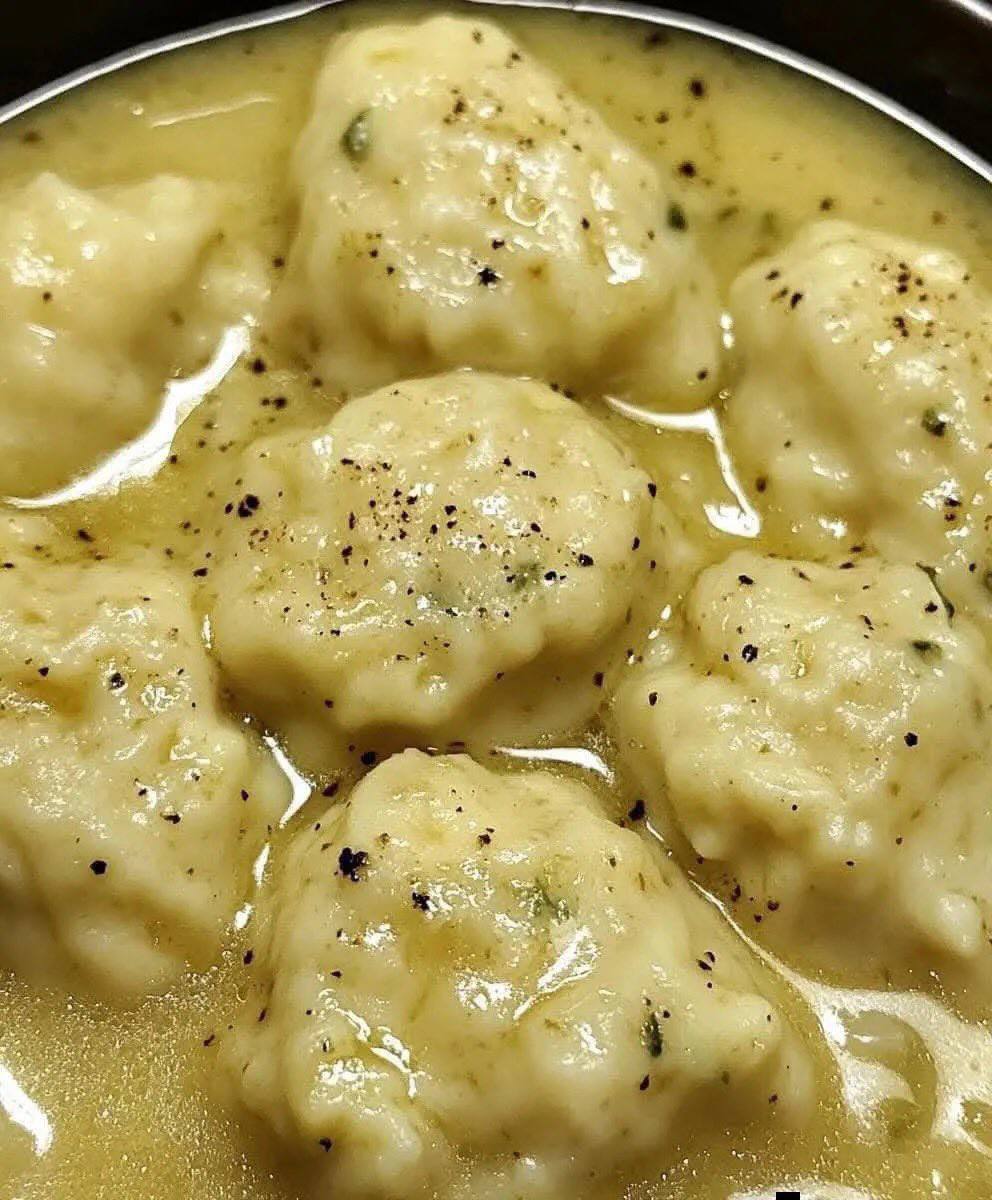
There are few dishes that evoke the warmth and comfort of home quite like a steaming bowl of chicken and dumplings. It’s a culinary hug, a timeless classic that transcends generations, bringing smiles and satisfied sighs with every spoonful. But what truly elevates this beloved comfort food from good to utterly unforgettable are the dumplings themselves. Forget dense, heavy dough balls; today, we’re diving into the delightful world of “feather dumplings” – light, airy, and melt-in-your-mouth tender morsels that float gracefully in a rich, savory chicken stew.
These aren’t just any dumplings; they’re designed for ultimate tenderness, earning their “feather” moniker from their remarkably delicate texture. Imagine plump, irregularly shaped cloud-like dumplings, each one a perfect vehicle for soaking up the creamy, herb-infused broth. They’re the kind of dumplings that make you close your eyes and savor the moment, a testament to simple ingredients transformed into something truly magical. This article will guide you through the secrets to achieving these perfect, ethereal dumplings, ensuring your next batch of chicken and dumplings is nothing short of spectacular.
The beauty of feather dumplings lies in their ability to complement, rather than overpower, the robust flavors of the chicken stew. Their soft, porous structure allows them to absorb the delicious broth, becoming infused with every savory note. Whether you grew up with a grandmother’s recipe or are new to the joys of homemade comfort food, mastering these feather dumplings will undoubtedly become a treasured skill in your kitchen repertoire. Get ready to create a dish that nourishes the soul and delights the palate, a true celebration of homestyle cooking at its finest.
Nutritional Information
Per serving (approximate values):
- Calories: 550
- Protein: 35g
- Carbohydrates: 40g
- Fat: 28g
- Fiber: 3g
- Sodium: 950mg
Ingredients
For the Feather Dumplings:
- 2 cups all-purpose flour
- 2 teaspoons baking powder
- 1 teaspoon salt
- 1/2 teaspoon black pepper, plus more for serving
- 1/2 teaspoon dried parsley (optional, for green flecks)
- 1/2 cup cold unsalted butter, cut into small pieces
- 3/4 cup whole milk (or buttermilk for extra tenderness)
For the Chicken and Dumpling Stew:
- 2 tablespoons olive oil
- 1.5 lbs boneless, skinless chicken breasts or thighs, cut into 1-inch cubes
- 1 large yellow onion, chopped
- 2 carrots, peeled and diced
- 2 celery stalks, diced
- 2 cloves garlic, minced
- 8 cups chicken broth, low sodium
- 1 cup whole milk or half-and-half
- 1/2 cup all-purpose flour (for thickening)
- 1 teaspoon dried thyme
- 1/2 teaspoon dried rosemary
- Salt and black pepper to taste
- 1/4 cup fresh parsley, chopped (for garnish)
Instructions
- Prepare the Chicken and Vegetables: Heat olive oil in a large Dutch oven or heavy-bottomed pot over medium-high heat. Season the chicken cubes with salt and pepper. Add chicken to the pot and cook until lightly browned on all sides, about 5-7 minutes. Remove chicken from the pot and set aside.
- Sauté Aromatics: Add the chopped onion, carrots, and celery to the pot. Cook, stirring occasionally, until softened, about 8-10 minutes. Add the minced garlic, dried thyme, and dried rosemary, and cook for another minute until fragrant.
- Create the Roux: Sprinkle the 1/2 cup all-purpose flour over the vegetables. Stir continuously for 2-3 minutes, cooking out the raw flour taste. This step creates a roux, which will thicken your stew.
- Deglaze and Simmer: Gradually whisk in the chicken broth, a cup at a time, ensuring no lumps form. Bring the mixture to a simmer, stirring constantly until it begins to thicken.
- Add Dairy and Chicken: Stir in the whole milk or half-and-half. Return the cooked chicken to the pot. Bring the stew back to a gentle simmer. Taste and adjust seasoning with salt and pepper as needed.
- Make the Dumpling Dough: While the stew is simmering, prepare the feather dumplings. In a large bowl, whisk together the 2 cups all-purpose flour, baking powder, 1 teaspoon salt, 1/2 teaspoon black pepper, and dried parsley (if using).
- Cut in Butter: Add the cold butter pieces to the dry ingredients. Using a pastry blender, two knives, or your fingertips, cut the butter into the flour mixture until it resembles coarse crumbs with some pea-sized pieces of butter remaining.
- Add Liquid: Gradually pour in the 3/4 cup cold milk, stirring with a fork until just combined. The dough should be shaggy and slightly sticky, but not wet. Be careful not to overmix, as this will lead to tough dumplings.
- Drop the Dumplings: Once the stew is at a gentle simmer (not a rolling boil), drop spoonfuls of the dumpling dough directly into the hot stew. Try to keep them roughly the same size, about 1-1.5 tablespoons each. Do not overcrowd the pot; cook in batches if necessary.
- Cook the Dumplings: Cover the pot and cook the dumplings for 15-20 minutes, or until they are puffed up and cooked through. Avoid lifting the lid during this time, as the steam is crucial for their light texture. The dumplings are done when they are no longer doughy in the center and have expanded significantly.
- Serve: Once the dumplings are cooked, remove the pot from the heat. Ladle the chicken and dumplings into bowls. Garnish with fresh chopped parsley and a generous sprinkle of fresh black pepper. Serve immediately and enjoy!
Cooking Tips and Variations
Achieving truly “feather” light dumplings hinges on a few key techniques. First and foremost, do not overmix the dough. Overworking the flour develops gluten, which results in tough, chewy dumplings. Mix only until the ingredients are just combined. Another crucial tip is to use cold butter and cold milk. The cold butter creates pockets of steam as it melts during cooking, contributing to that airy texture. If you’re feeling adventurous, using buttermilk instead of regular milk in the dumpling dough will add a subtle tang and enhance their tenderness even further.
For the stew itself, a good quality chicken broth is paramount. It forms the foundation of your flavor. Don’t rush the simmering process once the broth is added; allow it to gently simmer and meld the flavors. When dropping the dumplings, ensure your stew is at a gentle simmer, not a rolling boil. A vigorous boil can break apart the delicate dumplings. Also, try to drop them consistently in size so they cook evenly. And remember, don’t peek! Keeping the lid on during dumpling cooking traps the steam, which is essential for them to puff up beautifully.
To vary your chicken and dumplings, consider adding other vegetables to the stew, such as peas, corn, or diced potatoes. A touch of fresh herbs like sage or marjoram can also elevate the flavor profile. For a richer stew, you can swap some of the chicken broth for heavy cream at the end. If you prefer a different protein, shredded turkey makes an excellent substitute for chicken, especially after holidays. You can also experiment with different cheeses in the dumplings themselves, incorporating a tablespoon or two of grated Parmesan or cheddar for a savory twist. For a touch of heat, a pinch of red pepper flakes can be added to the stew with the aromatics.
Storage and Reheating
Leftover chicken and dumplings can be a real treat, though the dumplings will absorb more of the stew’s liquid and become softer over time. Store any leftovers in an airtight container in the refrigerator for up to 3-4 days. It’s important to note that while the stew itself freezes well, the texture of the dumplings can change significantly upon freezing and thawing, often becoming a bit mushy or crumbly. For this reason, it’s generally best to enjoy the dumplings fresh.
When reheating, gently warm the chicken and dumplings on the stovetop over medium-low heat, stirring occasionally. If the stew has thickened too much overnight, you may need to add a splash of extra chicken broth or milk to reach your desired consistency. Avoid microwaving large portions, as it can lead to uneven heating and a less desirable texture for the dumplings. If microwaving, do so in individual portions at 50% power, stirring halfway through, until heated through. Be mindful not to overheat, as this can make the chicken dry and the dumplings overly soft.
Frequently Asked Questions
What makes these “feather” dumplings different from regular dumplings?
Feather dumplings are specifically designed to be incredibly light, airy, and tender, almost melting in your mouth. This is achieved by carefully balancing the leavening agents (baking powder), using cold fat (butter) cut into the flour, and most importantly, avoiding overmixing the dough. Regular dumplings can sometimes be denser or chewier, depending on the recipe and mixing technique.
Can I make the dumpling dough ahead of time?
While it’s best to drop the dumplings into the stew immediately after preparing the dough for the lightest texture, you can prepare the dry ingredients and cut in the butter a day in advance. Store this mixture in the refrigerator. When you’re ready to cook, simply add the cold milk and mix just until combined. This helps speed up the process on cooking day.
My dumplings are tough. What went wrong?
The most common reason for tough dumplings is overmixing the dough. When you overmix, you develop the gluten in the flour, which leads to a chewy, dense texture. Another factor could be not having enough liquid in the dough or cooking them at too high of a temperature, causing them to cook too quickly and dry out. Ensure you mix only until the ingredients are just combined and maintain a gentle simmer while cooking.
Can I use self-rising flour for the dumplings?
Yes, you can use self-rising flour, but you’ll need to adjust the recipe. Self-rising flour already contains baking powder and salt, so you would omit the separate baking powder and salt listed in the dumpling ingredients. Use 2 cups of self-rising flour and proceed with the rest of the recipe as instructed, keeping an eye on the dough consistency as different flours absorb liquid slightly differently.