Introduction
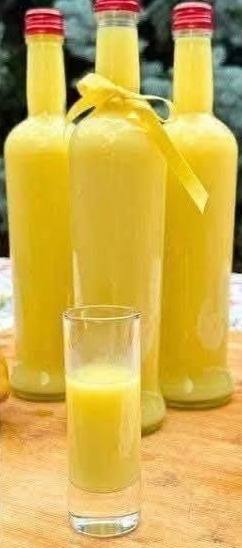
In the bustling world of health and wellness, where exotic superfoods often steal the spotlight, sometimes the most profound elixirs are found in the simplest ingredients. Enter Ginger Water, a vibrant, zesty, and utterly refreshing beverage that’s quickly becoming a staple in kitchens worldwide. This isn’t just a drink; it’s a daily ritual, a natural pick-me-up, and a delicious way to embrace wellness. Imagine a golden liquid, bursting with the warm, spicy kick of fresh ginger, perhaps brightened by a squeeze of lemon and a hint of sweetness. That’s the magic of homemade ginger water, a healthful concoction that promises to invigorate your senses and support your body from the inside out.
What makes ginger water so special? It’s the ingenious simplicity of infusing fresh ginger root into water, creating a potent brew that retains all the incredible medicinal properties of this ancient spice. From aiding digestion and soothing upset stomachs to fighting inflammation and boosting immunity, ginger has long been revered for its therapeutic benefits. When transformed into a drinkable form, these benefits become easily accessible and incredibly enjoyable. Beyond its health prowess, ginger water’s appeal lies in its versatility. It can be enjoyed warm on a chilly morning, chilled over ice on a hot afternoon, or even as a flavorful base for mocktails and smoothies. The radiant yellow hue, often intensified by the ginger’s natural pigments and perhaps a touch of citrus, makes it as visually appealing as it is delicious, promising a taste of sunshine in every sip.
Making your own ginger water is a delightful journey into natural wellness. Forget expensive store-bought versions often laden with additives; crafting this elixir at home allows you complete control over the ingredients, ensuring purity and potency. You can adjust the spiciness to your preference, sweeten it naturally, and even experiment with complementary flavors like mint or turmeric. The process itself is surprisingly straightforward, turning a humble root into a powerful, hydrating, and utterly satisfying beverage that will leave you feeling refreshed, revitalized, and ready to tackle your day with newfound zest. So, let’s peel back the layers of this incredible root and discover how to create your own batch of this golden goodness.
Nutritional Information
Per serving (approximate values for 8 oz / 240ml, assuming 1 inch ginger, 1 tsp honey, 1 tbsp lemon juice):
- Calories: 25-35
- Protein: 0g
- Carbohydrates: 7-9g
- Fat: 0g
- Fiber: 0-1g
- Sodium: 0-5mg
Ingredients
- 4-6 inches fresh ginger root (about 150-200g), preferably organic
- 8 cups (2 liters) filtered water
- 2-4 tablespoons honey, maple syrup, or agave nectar (adjust to taste, optional)
- 1/4 cup fresh lemon juice (from 1-2 lemons, optional)
- Pinch of cayenne pepper (optional, for an extra kick)
- Fresh mint sprigs or lemon slices for garnish (optional)
Instructions
- Prepare the Ginger: Begin by thoroughly washing the ginger root. You can either peel it or leave the skin on, depending on your preference. The skin contains some nutrients, but peeling can result in a smoother flavor. If peeling, use a spoon to scrape the skin off gently; it’s surprisingly effective and minimizes waste.
- Slice or Grate the Ginger: Once clean, slice the ginger into thin rounds or grate it using a box grater. Slicing will give you a milder flavor that develops slowly, while grating will extract more potent flavor and create a more opaque, spicier water. For the vibrant, opaque look often seen, grating or even finely chopping is recommended.
- Combine Ginger and Water: In a large saucepan, combine the prepared ginger with 8 cups (2 liters) of filtered water.
- Simmer to Infuse: Bring the water to a boil over medium-high heat. Once boiling, reduce the heat to low, cover the saucepan, and let it simmer gently for 20-30 minutes. The longer you simmer, the stronger and spicier your ginger water will be. This simmering process allows the ginger to release its essential oils and beneficial compounds into the water.
- Cool and Strain: Remove the saucepan from the heat and let the ginger water cool down to room temperature. This allows for further infusion as it cools. Once cool, carefully strain the mixture using a fine-mesh sieve or a cheesecloth-lined colander. This step removes all the ginger pulp, leaving you with a smooth, clear (or slightly cloudy if grated finely) ginger-infused liquid. Press down on the ginger solids to extract as much liquid as possible.
- Sweeten and Flavor (Optional): Now is the time to customize your ginger water. Stir in 2-4 tablespoons of honey, maple syrup, or agave nectar, tasting as you go until you reach your desired sweetness. If using, add 1/4 cup of fresh lemon juice; this brightens the flavor and enhances the vibrant color. A pinch of cayenne pepper can be added for an extra warming kick.
- Chill and Serve: Pour the finished ginger water into clean glass bottles or a pitcher. Refrigerate for at least 2-3 hours, or until thoroughly chilled. Serve cold over ice, garnished with fresh mint sprigs or lemon slices, or enjoy it warm if preferred.
Cooking Tips and Variations
Achieving the perfect ginger water is all about personal preference and understanding the nuances of this powerful root. Here are some tips and variations to help you master your brew.
Choosing Your Ginger: Always select fresh, firm ginger root with smooth skin, free from wrinkles or soft spots. Organic ginger is often preferred, especially if you plan to leave the skin on. A good quality ginger root will have a strong, pungent aroma when cut.
Peeling or Not Peeling: This is a common question. The skin of ginger contains some nutrients and can contribute to a slightly earthier flavor. If your ginger is organic and you wash it thoroughly, leaving the skin on is perfectly fine, especially if you’re straining it later. For a cleaner, less earthy taste, or if your ginger isn’t organic, feel free to peel it. A spoon is the best tool for this – simply scrape the skin away.
Ginger Preparation Methods:
- Slicing: Thin slices will yield a milder ginger flavor. This is great for those who prefer a subtle kick.
- Grating: Grating ginger exposes more surface area, resulting in a much stronger, spicier flavor and a cloudier, more opaque water. This is often the preferred method for maximum flavor extraction and the vibrant yellow color seen in many images.
- Crushing: Lightly crushing ginger slices with the back of a knife before simmering can also help release more flavor without making it overly pulpy.
Adjusting Spice Level: The amount of ginger and the simmering time are your main controls for spiciness. For a milder ginger water, use less ginger (around 3-4 inches) and simmer for 15-20 minutes. For an intense, fiery kick, use more ginger (up to 6 inches or more) and simmer for 30-40 minutes. You can always dilute it with more water after straining if it’s too strong.
Sweetener Choices: While optional, a touch of sweetness can balance ginger’s pungency beautifully. Beyond honey and maple syrup, consider:
- Agave Nectar: A vegan option with a neutral flavor.
- Stevia or Erythritol: For a sugar-free alternative.
- Date Syrup: Adds a rich, caramel-like sweetness.
- Brown Sugar or Turbinado Sugar: Can add a deeper, molasses-like note.
Start with a small amount and add more to taste.
Flavor Boosters and Variations:
- Citrus Kick: Lemon juice is a classic pairing, adding brightness and enhancing the ginger’s flavor. Lime juice also works wonderfully.
- Herbal Infusion: Add a few sprigs of fresh mint, basil, or rosemary during the last 5-10 minutes of simmering for an aromatic twist.
- Spice It Up: A pinch of cayenne pepper or a slice of fresh jalapeño can amplify the warming sensation. For a deeper flavor, add a cinnamon stick or a few whole cloves during simmering.
- Turmeric Power: Add 1-2 inches of fresh turmeric root (peeled and sliced/grated) along with the ginger for an anti-inflammatory powerhouse. Be aware that turmeric will stain, and it will give your water a deeper golden-orange hue.
- Fruity Notes: Infuse with a few slices of fresh orange or apple during the cooling phase for a subtle fruity undertone.
- Sparkling Ginger Water: Mix your concentrated ginger water with sparkling water or club soda for a refreshing, effervescent drink.
- Ginger Tea Bags: For a quick, individual serving, you can make a single cup of ginger water by steeping grated ginger in hot water, or by using a store-bought ginger tea bag.
Serving Temperature: Ginger water is incredibly versatile. Enjoy it chilled over ice for a refreshing summer drink, or gently warm it in a saucepan for a comforting, soothing beverage on a cold day. It’s also fantastic as a base for smoothies, cocktails, or mocktails.
Straining for Clarity vs. Pulp: If you prefer a completely clear ginger water, use a very fine mesh sieve or cheesecloth to strain. However, if you’re grating your ginger and don’t mind a little bit of fine pulp (which also adds fiber), a standard fine-mesh strainer will suffice and contribute to that vibrant, slightly opaque look.
Storage and Reheating
Proper storage is key to enjoying your homemade ginger water for days to come, ensuring its freshness and potency.
Storage:
- Refrigeration: Once your ginger water has cooled completely, transfer it to clean, airtight glass bottles or a pitcher. Store it in the refrigerator. Glass containers are preferred as they don’t absorb odors or flavors and are easy to clean.
- Shelf Life: Homemade ginger water typically lasts for 5-7 days when stored properly in the refrigerator. After this period, while it might not necessarily spoil quickly, its flavor and potency will begin to diminish.
- Freezing: For longer storage, you can freeze ginger water. Pour it into ice cube trays and freeze until solid. Once frozen, transfer the ginger water cubes to a freezer-safe bag or container. These cubes are perfect for adding to smoothies, directly into a glass of water, or thawing for a quick warm drink. Frozen ginger water can last for up to 2-3 months.
Reheating:
- From the Refrigerator: If you wish to enjoy your ginger water warm, simply pour the desired amount into a small saucepan and gently heat it over low to medium heat until it reaches your preferred temperature. Avoid boiling it vigorously, as this can diminish some of the delicate flavors and beneficial compounds.
- From Frozen: To reheat frozen ginger water, you can either thaw the cubes in the refrigerator overnight and then gently warm them in a saucepan, or place the frozen cubes directly into a saucepan with a splash of water and heat over low heat until melted and warm. Alternatively, you can microwave a few cubes in a microwave-safe mug until warm.
Tips for Best Results:
- Always ensure your storage containers are clean and sterilized to prevent bacterial growth.
- Label your bottles with the date of preparation so you know when to consume them by.
- If you notice any unusual smell, taste, or visible mold, it’s best to discard the batch.
Frequently Asked Questions
Is it necessary to peel the ginger before making ginger water?
No, it’s not strictly necessary. The skin of ginger is edible and contains some beneficial compounds. If you’re using organic ginger and wash it thoroughly, you can leave the skin on, especially if you plan to strain the water later. However, peeling can result in a cleaner, less earthy flavor. Many people find scraping the skin off with a spoon to be the easiest and most efficient method.
Can I use ground ginger instead of fresh ginger for this recipe?
While you can use ground ginger in a pinch, it’s highly recommended to use fresh ginger for ginger water. Fresh ginger provides a much more vibrant, potent, and nuanced flavor profile, along with a richer concentration of beneficial compounds like gingerol. Ground ginger, being dried and processed, will yield a different, often less intense and more one-dimensional flavor, and the resulting water will likely be cloudy with sediment.
How often should I drink ginger water, and what are its main benefits?
You can enjoy ginger water daily, typically 1-2 glasses, depending on your personal preference and tolerance for ginger’s spice. Its main benefits stem from ginger’s powerful anti-inflammatory and antioxidant properties. It’s excellent for aiding digestion, soothing nausea, reducing muscle pain and soreness, boosting immunity, and potentially lowering blood sugar levels. It’s also a wonderfully hydrating and refreshing alternative to sugary drinks.
Can I make a larger batch and store it?
Absolutely! This recipe is designed to be made in a larger batch for convenience. You can easily double or triple the quantities of ginger and water to make a bigger supply. Just be sure to store it in airtight glass containers in the refrigerator, where it will last for 5-7 days, or freeze it in ice cube trays for longer storage, up to 2-3 months.