Introduction
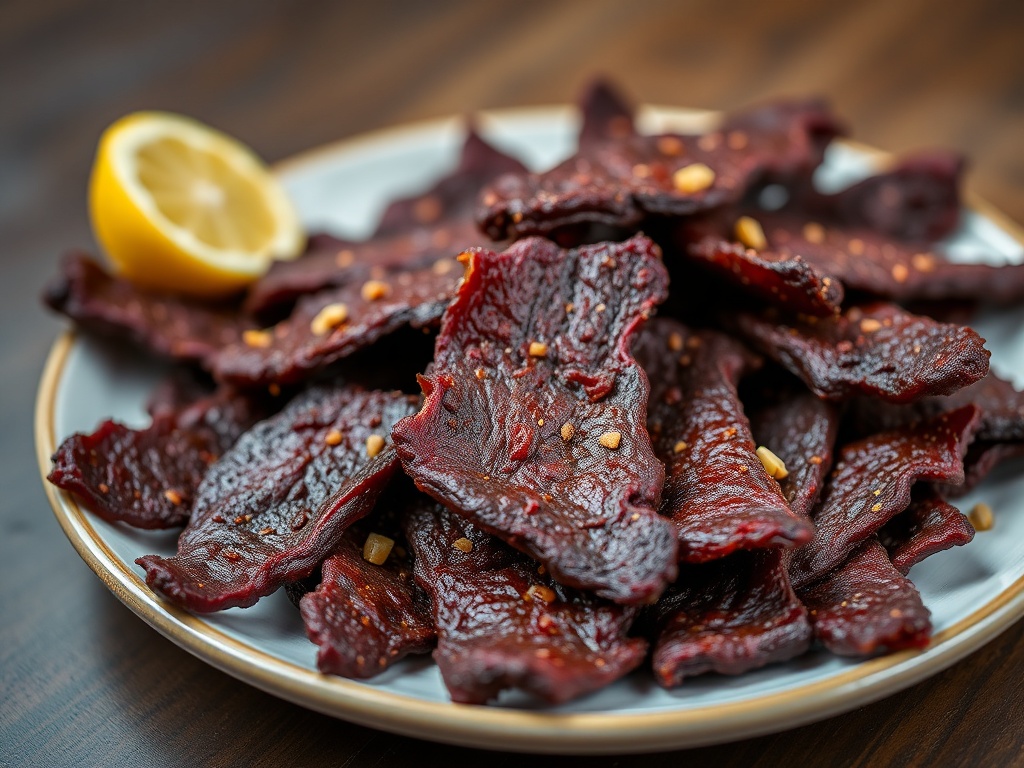
Craving that savory, chewy goodness of beef jerky but tired of sky-high prices and questionable ingredients? Get ready to revolutionize your snack game because making homemade beef jerky in your air fryer is not just possible, it’s incredibly easy, efficient, and utterly delicious! Imagine perfectly seasoned, tender, yet satisfyingly firm strips of beef, crafted exactly to your taste, all from the comfort of your kitchen. This isn’t just about saving money; it’s about taking control of what you eat, ensuring every bite is packed with pure flavor and wholesome goodness.
The air fryer, a miracle appliance for so many kitchen tasks, truly shines when it comes to dehydrating meat. Forget the lengthy, often messy process of traditional oven methods or the investment in a dedicated dehydrator. Your air fryer offers unparalleled convenience, speed, and surprisingly even results, transforming raw beef into delectable jerky with minimal fuss. Its powerful convection technology circulates hot air efficiently, creating the ideal environment for drying out meat without truly “cooking” it, resulting in that signature jerky texture we all love. Plus, the contained environment means less mess and a more controlled drying process.
In this comprehensive guide, you’ll discover everything you need to become a homemade jerky master. We’ll walk you through selecting the best cuts of beef, mastering the art of slicing, crafting mouth-watering marinades, and navigating the air fryer process step-by-step. Beyond the basics, we’ll explore exciting flavor variations and troubleshoot common jerky-making dilemmas, ensuring your success. Get ready to impress your taste buds, fuel your adventures, and enjoy the ultimate protein-packed snack that’s perfect for hiking, road trips, or simply satisfying those midday cravings. Homemade air fryer jerky is about to become your new favorite obsession!
Nutritional Information
Per serving (approximate values):
- Calories: 70
- Protein: 10g
- Carbohydrates: 2g
- Fat: 2g
- Fiber: 0g
- Sodium: 250mg
Ingredients
- 1.5 lbs lean beef (Top Round, Bottom Round, Eye of Round, Flank Steak, or Sirloin Tip)
- 1/2 cup low-sodium soy sauce
- 1/4 cup Worcestershire sauce
- 2 tablespoons apple cider vinegar
- 1 tablespoon brown sugar (packed)
- 1 teaspoon garlic powder
- 1 teaspoon onion powder
- 1/2 teaspoon black pepper
- 1/2 teaspoon smoked paprika (optional, for smoky flavor)
- 1/4 teaspoon cayenne pepper (optional, for spicy kick)
- Pinch of red pepper flakes (optional)
Instructions
- Prepare the Beef: Place the beef in the freezer for 30-60 minutes until it is firm but not frozen solid. This makes slicing much easier.
- Trim the Beef: Remove all visible fat and silverskin from the beef. Fat can cause the jerky to spoil quickly.
- Slice the Beef: Using a sharp knife or a meat slicer, slice the beef against the grain (for more tender jerky) or with the grain (for chewier jerky) into uniform strips, approximately 1/8 to 1/4 inch thick. Aim for consistent thickness for even drying.
- Prepare the Marinade: In a large bowl or a resealable plastic bag, combine the soy sauce, Worcestershire sauce, apple cider vinegar, brown sugar, garlic powder, onion powder, black pepper, smoked paprika (if using), cayenne pepper (if using), and red pepper flakes (if using). Whisk or shake until well combined and the brown sugar is dissolved.
- Marinate the Beef: Add the sliced beef strips to the marinade, ensuring all pieces are fully coated. If using a bowl, cover it tightly. Refrigerate for a minimum of 4 hours, or ideally 12-24 hours, to allow the flavors to deeply penetrate the meat.
- Drain and Pat Dry: Once marinated, remove the beef strips from the marinade. Discard the excess marinade. Lay the beef strips in a single layer on several layers of paper towels and pat them thoroughly dry on both sides. This step is crucial for efficient drying and preventing steaming in the air fryer.
- Preheat Air Fryer (Optional but Recommended): If your air fryer has a preheat function, preheat it to 200°F (95°C) for a few minutes.
- Arrange Beef in Air Fryer: Place the dried beef strips in a single layer in your air fryer basket or on the trays of an oven-style air fryer. Do not overlap the strips, as this will hinder air circulation and lead to uneven drying. You will likely need to work in batches.
- Initial Air Fryer Cook: Air fry at 200-225°F (95-107°C) for 10-15 minutes. This initial higher temperature helps kickstart the drying process.
- Lower Temperature Drying: Reduce the air fryer temperature to 160-180°F (70-80°C). Continue to air fry for 1-3 hours, or until the jerky reaches your desired texture.
- Flip and Rotate: Every 20-30 minutes, flip the jerky strips and rotate the basket or trays (if using an oven-style air fryer) to ensure even drying. Some air fryers may require more frequent flipping.
- Check for Doneness: Begin checking for doneness after about 1 hour at the lower temperature. Jerky is ready when it is pliable but cracks when bent sharply, without breaking completely in half. It should feel leathery and firm, not soft or moist. The texture preference is personal, so you may prefer it slightly chewier or drier.
- Cool Completely: Once the jerky is done, remove it from the air fryer and arrange it in a single layer on a wire rack to cool completely at room temperature. This allows any residual moisture to evaporate and prevents condensation, which can lead to spoilage.
- Store: Once fully cooled, store your homemade beef jerky in an airtight container or resealable bag.
Cooking Tips and Variations
Achieving perfect air fryer jerky comes down to a few key techniques. First and foremost, lean meat is crucial. Fat goes rancid quickly, so take the time to meticulously trim all visible fat and silverskin from your chosen cut. The better you trim, the longer your jerky will last and the better it will taste. Another non-negotiable step is patting the meat dry after marinating. Excess surface moisture will steam rather than dehydrate, making your jerky soft instead of leathery. Use plenty of paper towels and press firmly. Remember, air circulation is vital – never overcrowd your air fryer basket or trays. Work in batches to ensure every piece gets adequate hot air exposure, promoting even drying. If you notice some pieces drying faster than others, remove them earlier to prevent burning.
For uniform slices, consider investing in a meat slicer, especially if you plan to make jerky often. It ensures consistent thickness, which is key for even drying. As for variations, the world is your oyster! For spicy jerky, ramp up the cayenne pepper, add a dash of your favorite hot sauce to the marinade, or sprinkle red pepper flakes generously. Craving teriyaki jerky? Swap some of the soy sauce for actual teriyaki sauce, add a teaspoon of grated fresh ginger, and a few drops of sesame oil. For a hint of smoky goodness without a smoker, incorporate a few drops of liquid smoke into your marinade, or increase the smoked paprika. If you like a sweet & savory profile, experiment with maple syrup, honey, or even a splash of pineapple juice in your base marinade. Don’t be afraid to add your favorite dried herbs like thyme or rosemary, or a pinch of chili powder for an extra kick. The beauty of homemade jerky is customizing it to your exact preferences!
Storage and Reheating
Proper storage is essential to maintain the freshness and quality of your homemade air fryer beef jerky. Once the jerky has cooled completely on a wire rack, transfer it to an airtight container or a heavy-duty resealable plastic bag. Stored at room temperature in a cool, dry place away from direct sunlight, homemade jerky can last for up to two weeks. If you want to extend its shelf life, refrigerate it for up to one month. For longer-term storage, jerky freezes exceptionally well. Place cooled jerky in a freezer-safe bag, removing as much air as possible, and freeze for up to six months. To “reheat” or refresh frozen jerky, simply let it thaw at room temperature. Jerky is typically enjoyed at room temperature and does not require reheating. If it feels a little too stiff from refrigeration or freezing, allowing it to sit out for a short while will bring it back to its optimal texture. Avoid storing jerky in humid environments, as this can lead to moisture absorption and potential spoilage.
Frequently Asked Questions
What’s the best type of beef for jerky?
The best beef for jerky is lean beef with minimal fat, as fat can cause the jerky to go rancid quickly. Top Round, Bottom Round, Eye of Round, Flank Steak, and Sirloin Tip are excellent choices because they are naturally lean and have a good texture for slicing.
Why is my air fryer jerky too hard or too soft?
If your jerky is too hard or burnt, the temperature might have been too high, or it was cooked for too long. Try reducing the temperature slightly and checking for doneness more frequently. If it’s too soft or moist, it likely needs more drying time. Ensure your slices are thin and consistent, and that you patted the meat very dry before air frying. Air circulation is key, so avoid overcrowding the air fryer.
Can I make jerky without liquid smoke?
Absolutely! Liquid smoke is an optional ingredient used to impart a smoky flavor that some people enjoy. If you prefer not to use it, simply omit it from the marinade. You can still get a subtle smoky note by using smoked paprika, or rely on the natural beef flavor and your chosen spices for a delicious jerky.
How do I know when my jerky is safe to eat?
Homemade jerky should be pliable but crack when bent sharply, without breaking completely. It should feel leathery and dry, not soft or moist. While the air fryer dehydrates, it’s important to start with fresh, high-quality meat. The low and slow drying process at temperatures around 160-180°F (70-80°C) helps to remove moisture, which inhibits bacterial growth. If you are concerned about food safety, ensure your beef reached an internal temperature of 160°F (71°C) at some point during the process, though this is often more relevant for traditional dehydrators and less critical for air fryers focused on dehydration.