Instructions
- Prepare the Potatoes: Place the peeled and quartered potatoes in a large pot. Cover with cold, salted water by about an inch. Bring to a boil over high heat, then reduce heat to medium and simmer until the potatoes are fork-tender, about 15-20 minutes. Drain thoroughly and return the potatoes to the hot, empty pot over low heat for 1-2 minutes to dry out any excess moisture.
- Mash the Potatoes: Remove the pot from the heat. Add the warmed milk, melted butter, sour cream, garlic powder (if using), salt, and pepper to the potatoes. Mash with a potato masher until smooth and creamy. Be careful not to overmash, as this can make them gluey. Set aside.
- Brown the Lamb: While the potatoes are cooking, heat the olive oil in a large, oven-safe skillet or Dutch oven over medium-high heat. Add the ground lamb and cook, breaking it up with a spoon, until deeply browned and no pink remains. Drain off any excess fat from the pan.
- Sauté Aromatics: Add the chopped onion, carrots, and celery to the skillet with the lamb. Cook, stirring occasionally, until the vegetables begin to soften, about 5-7 minutes. Add the minced garlic and cook for another minute until fragrant.
- Build the Flavor Base: Sprinkle the flour over the lamb and vegetables, stirring well to coat. Cook for 1 minute, allowing the flour to cook out. Stir in the dried thyme and rosemary.
- Deglaze and Simmer: Pour in the red wine (if using) and scrape up any browned bits from the bottom of the pan. Let it simmer for 2-3 minutes until the liquid has reduced slightly. Stir in the beef broth, Worcestershire sauce, and tomato paste. Bring the mixture to a gentle simmer, then reduce heat to low, cover, and cook for 10-15 minutes, allowing the flavors to meld and the sauce to thicken.
- Add Frozen Vegetables: Stir in the frozen corn and peas. Cook for another 2-3 minutes until heated through. Taste the filling and adjust seasoning with salt and pepper as needed.
- Preheat Oven & Assemble: Preheat your oven to 375°F (190°C). If your skillet is not oven-safe, transfer the lamb filling to a 9×13 inch baking dish or a similar 2-quart oven-safe dish.
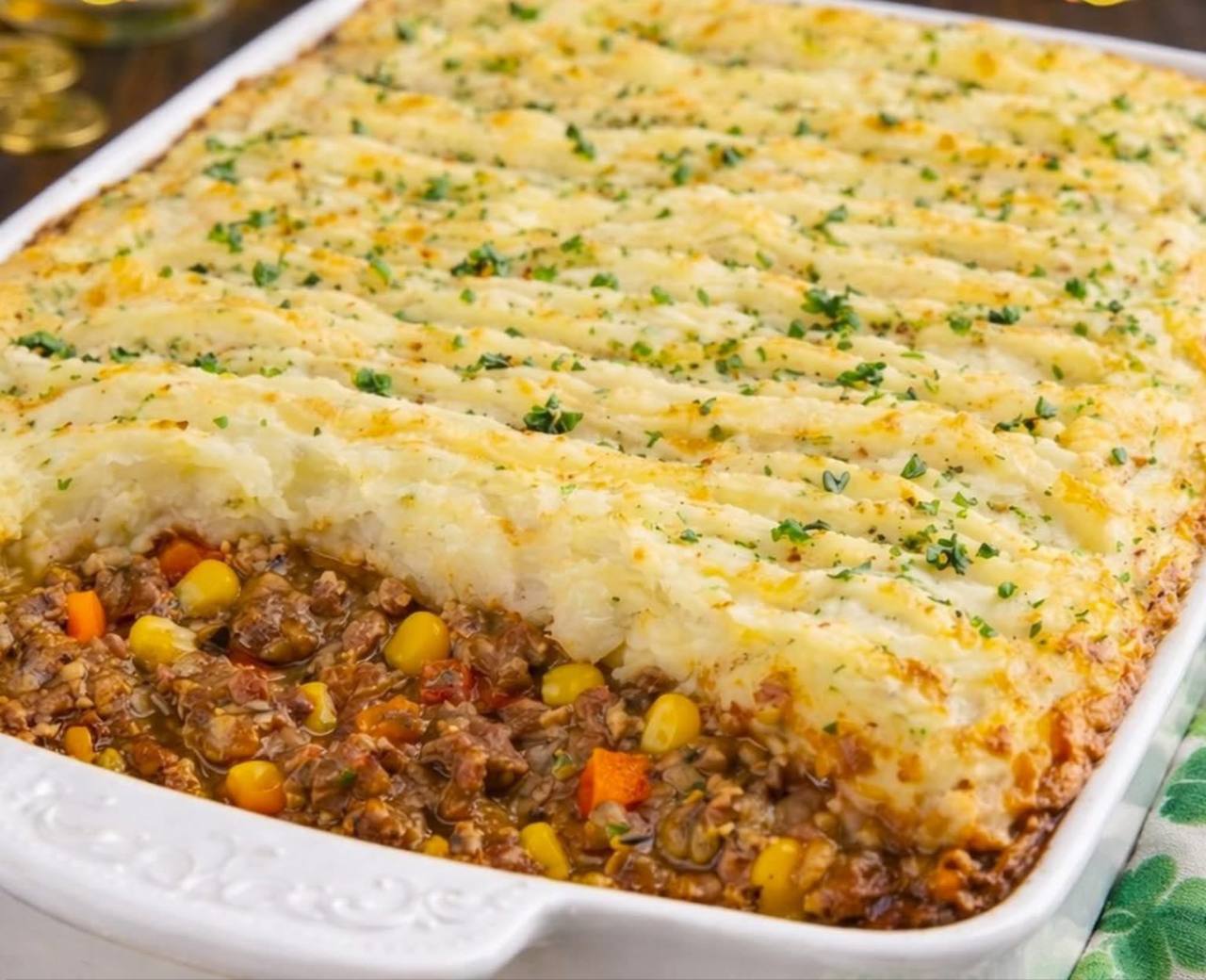
- Top with Potatoes: Spoon the mashed potatoes evenly over the lamb filling. You can spread it smoothly with a spatula, or for a more classic look and extra crispy bits, use a fork to create ridges, or pipe the mashed potatoes onto the filling using a large star tip. If using, sprinkle the Parmesan cheese over the top.
- Bake to Perfection: Place the dish on a baking sheet (to catch any potential spills) and bake in the preheated oven for 25-30 minutes, or until the filling is bubbly around the edges and the mashed potato topping is golden brown and slightly crispy.
- Rest and Serve: Remove from the oven and let the Shepherd’s Pie rest for 10-15 minutes before serving. This allows the filling to set and prevents it from being too runny. Garnish with fresh chopped parsley before serving.
Cooking Tips and Variations
Achieving the perfect Shepherd’s Pie involves a few key techniques and allows for delightful customization. For the mashed potatoes, using a potato ricer or food mill can elevate the texture from good to sublime, yielding incredibly smooth and lump-free results. Remember, avoid overworking the potatoes once dairy is added, as this can release too much starch and lead to a gluey consistency. When browning the lamb, ensure it gets a good, deep sear. This caramelization, known as the Maillard reaction, creates a rich depth of flavor that is foundational to the dish. Don’t crowd the pan; if necessary, brown the lamb in batches to ensure proper browning rather than steaming.
To prevent a soggy bottom, especially if you’re concerned about your filling being too wet, you can add an extra tablespoon of flour to the meat mixture during step 5, or even a tablespoon of instant potato flakes, which will absorb excess liquid without altering the flavor. For an extra layer of flavor, consider adding a bay leaf to the simmering meat mixture and removing it before assembling. You can also experiment with herbs; a pinch of dried sage or a sprig of fresh thyme added to the filling will introduce a beautiful aromatic complexity. For a touch of heat, a pinch of red pepper flakes can be a welcome addition. If you prefer a richer, darker gravy, a teaspoon of Marmite or a splash of balsamic vinegar can deepen the umami notes.
Regarding variations, while traditional Shepherd’s Pie calls for lamb, for those who prefer, ground beef can be used to make a Cottage Pie, which is essentially the same dish with a different meat. You can also adjust the vegetables based on what you have on hand or what’s in season. Diced mushrooms, bell peppers, or even parsnips can be wonderful additions to the filling. For a vegetarian version, a mix of lentils, mushrooms, and root vegetables can create a surprisingly hearty and flavorful base. For a dairy-free potato topping, use a plant-based milk and butter alternative, and skip the sour cream.
Storage and Reheating
Storing and reheating your Irish Shepherd’s Pie properly ensures that you can enjoy its comforting flavors for days to come. Once cooled, any leftover Shepherd’s Pie should be transferred to an airtight container and refrigerated. It will keep well in the refrigerator for up to 3-4 days. To freeze, allow the pie to cool completely. You can freeze the entire pie in its baking dish (if freezer-safe) tightly wrapped in plastic wrap and then aluminum foil, or portion individual servings into freezer-safe containers. Frozen Shepherd’s Pie will maintain its quality for up to 2-3 months.
When reheating, if frozen, it’s best to thaw the pie in the refrigerator overnight before reheating. For individual servings, you can reheat them in the microwave until hot throughout. For a whole pie or larger portions, preheat your oven to 350°F (175°C). Cover the pie loosely with aluminum foil to prevent the potato topping from over-browning, and bake for 20-30 minutes, or until the filling is bubbly and heated through. For a crisper potato topping, remove the foil for the last 5-10 minutes of reheating. Ensure the internal temperature reaches 165°F (74°C) for safe consumption. Avoid reheating multiple times to maintain quality and food safety.
Frequently Asked Questions
What is the difference between Shepherd’s Pie and Cottage Pie?
The primary distinction lies in the type of meat used. Traditionally, Shepherd’s Pie is made with ground lamb, reflecting its name (shepherds tend to sheep). Cottage Pie, on the other hand, is made with ground beef. The rest of the preparation, including the vegetable-based gravy and mashed potato topping, is generally very similar for both dishes.
Can I make Shepherd’s Pie ahead of time?
Absolutely! Shepherd’s Pie is an excellent make-ahead meal. You can assemble the entire pie, including the potato topping, and then cover it tightly with plastic wrap and refrigerate for up to 2 days before baking. When ready to bake, remove it from the refrigerator about 30 minutes beforehand to come closer to room temperature, then bake as directed, potentially adding an extra 10-15 minutes to the baking time to ensure it heats through.
Why did my mashed potato topping turn out watery or gluey?
A watery topping usually occurs if the potatoes weren’t properly drained after boiling, leaving excess moisture. Ensure you return the drained potatoes to the hot pot for a minute or two to dry them out. A gluey texture often results from over-mashing or overworking the potatoes once the milk and butter have been added. Over-mashing releases too much starch, making them gummy. For best results, mash until just smooth, and use a ricer or food mill for an even lighter texture.
What side dishes pair well with Shepherd’s Pie?
Shepherd’s Pie is a hearty meal on its own, but it pairs wonderfully with simple, fresh sides. A crisp green salad with a light vinaigrette provides a nice contrast to the richness of the pie. Steamed green beans, roasted asparagus, or a side of crusty bread for soaking up any extra gravy are also excellent choices. Keep the sides relatively light to balance the substantial nature of the pie.