Introduction
There’s something undeniably comforting about the aroma of cinnamon and apples wafting from the kitchen, especially when it signals the arrival of a truly special treat. Today, we’re diving headfirst into the heartwarming world of apple fritters, but with a delightful twist that makes them even more irresistible: we’re baking them! Forget the splatters and the heavy feeling of traditional deep-fried versions; these Baked Apple Fritters deliver all the beloved flavor and tender texture without the fuss, making them a perfect, guilt-free indulgence for breakfast, brunch, or a sweet snack any time of day.
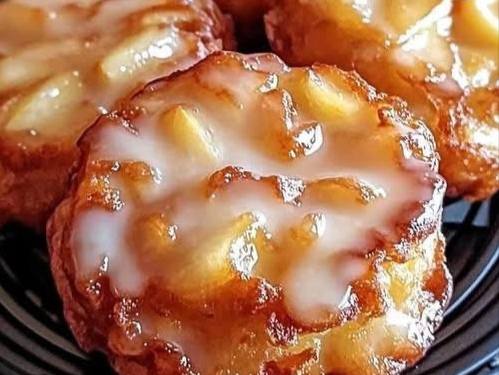
Imagine biting into a soft, cake-like fritter studded with tender, spiced apple chunks, each bite bursting with autumnal flavor. Then, picture that warm fritter coated in a luscious, sweet glaze that shatters delicately as you take your first mouthful. That’s the promise of this recipe. We’ve captured the essence of those classic, beloved apple fritters – the crisp edges, the soft interior, the sweet and tangy apple notes – and transformed them into a healthier, easier-to-make option that sacrifices absolutely nothing in terms of deliciousness. Get ready to fall in love with your new favorite baked good!
What makes these fritters so special? It’s the perfect balance of flavors and textures. The batter is light and tender, providing a beautiful contrast to the slightly firm, sweet-tart apple pieces. A generous blend of cinnamon and nutmeg infuses every morsel with that quintessential apple pie spice, creating an inviting warmth. And the simple, yet decadent, powdered sugar glaze adds a final touch of sweetness and a beautiful sheen, making these fritters not just a treat for your taste buds, but a feast for your eyes as well. Prepare to be amazed at how simple it is to create such an extraordinary baked good right in your own home.
Nutritional Information
Per serving (approximate values):
- Calories: 280-320
- Protein: 4-5g
- Carbohydrates: 45-50g
- Fat: 10-12g
- Fiber: 2-3g
- Sodium: 200-250mg
Ingredients
- 2 cups all-purpose flour
- 2 teaspoons baking powder
- 1/2 teaspoon salt
- 1 teaspoon ground cinnamon
- 1/4 teaspoon ground nutmeg
- 1/2 cup granulated sugar (or light brown sugar, packed)
- 1 large egg, lightly beaten
- 1/2 cup milk (whole or 2%)
- 1/4 cup unsalted butter, melted and slightly cooled
- 1 teaspoon vanilla extract
- 1 1/2 cups peeled, cored, and finely diced apples (about 2 medium apples, like Granny Smith or Honeycrisp)
- For the Glaze:
- 1 1/2 cups powdered sugar (confectioners’ sugar)
- 2-3 tablespoons milk (or heavy cream, or apple cider for extra flavor)
- 1/2 teaspoon vanilla extract (optional)
Instructions
- Preheat your oven to 375°F (190°C). Line a large baking sheet with parchment paper or a silicone baking mat. This will prevent sticking and make cleanup a breeze.
- Prepare the Apples: Wash, peel, core, and finely dice your chosen apples. Aim for pieces that are about 1/4 to 1/2 inch in size. Smaller pieces will soften more evenly and integrate better into the fritter batter. Set aside.
- Combine Dry Ingredients: In a large mixing bowl, whisk together the all-purpose flour, baking powder, salt, ground cinnamon, ground nutmeg, and granulated sugar until well combined. Ensure there are no lumps and the spices are evenly distributed throughout the flour mixture.
- Combine Wet Ingredients: In a separate medium-sized bowl, whisk together the lightly beaten egg, milk, melted butter, and vanilla extract until smooth and fully incorporated.
- Combine Wet and Dry: Pour the wet ingredients into the dry ingredients. Using a spatula or wooden spoon, gently mix until just combined. Be careful not to overmix the batter; overmixing can lead to tough fritters. A few lumps are perfectly fine.
- Fold in Apples: Add the diced apples to the batter. Gently fold them in until they are evenly distributed throughout the mixture. Again, avoid overmixing.
- Portion the Fritters: Using two spoons or a 1/4-cup ice cream scoop, drop irregular mounds of batter onto the prepared baking sheet. Leave about 1-2 inches of space between each fritter to allow for even baking and browning. Remember, fritters are meant to be rustic and irregular in shape, so don’t worry about making them perfectly round.
- Bake the Fritters: Place the baking sheet in the preheated oven and bake for 15-20 minutes, or until the fritters are golden brown around the edges, cooked through, and a toothpick inserted into the center comes out clean. The cooking time may vary slightly depending on your oven and the size of your fritters.
- Prepare the Glaze: While the fritters are baking, prepare the glaze. In a medium bowl, whisk together the powdered sugar, 2 tablespoons of milk (or cream/apple cider), and vanilla extract (if using) until smooth and free of lumps. If the glaze is too thick, add more milk a teaspoon at a time until it reaches a pourable, yet still thick, consistency. If it’s too thin, whisk in a little more powdered sugar.
- Glaze the Fritters: Once the fritters are baked, remove them from the oven and let them cool on the baking sheet for about 5 minutes. This allows them to firm up slightly. Then, transfer the warm fritters to a wire rack set over a piece of parchment paper or foil (to catch any drips).
- Generously drizzle or dip the warm fritters into the prepared glaze. The warmth of the fritters will help the glaze set beautifully. Allow the glaze to firm up for a few minutes before serving.
- Serve warm and enjoy your irresistible Baked Apple Fritters!
Cooking Tips and Variations
To ensure your baked apple fritters turn out perfectly every time, consider these helpful tips and variations:
Apple Choice is Key: For the best texture, choose firm, slightly tart apples that hold their shape well during baking. Excellent choices include Granny Smith, Honeycrisp, Fuji, Gala, or Braeburn. Avoid overly soft or mealy apples, as they can become mushy. If your apples are very juicy, you can lightly pat the diced pieces with a paper towel before adding them to the batter to prevent a soggy outcome.
Do Not Overmix the Batter: This is a golden rule for many baked goods, and especially for fritters. Overmixing develops the gluten in the flour, resulting in tough, chewy fritters rather than light and tender ones. Mix just until the wet and dry ingredients are combined, even if there are a few small lumps. The apples will help break up any remaining clumps.
Consistent Size for Even Baking: Try to make your fritters relatively uniform in size when scooping them onto the baking sheet. This ensures that they all bake through at roughly the same rate, preventing some from being undercooked while others are overbaked.
Cooling Rack is Your Best Friend: Always transfer the fritters to a wire rack after removing them from the oven. This allows air to circulate around them, preventing the bottoms from becoming soggy due to trapped steam. It’s also essential for proper glaze setting.
Glaze Consistency Matters: The perfect glaze should be thick enough to cling to the fritters but thin enough to drizzle smoothly. If your glaze is too thick, add milk a teaspoon at a time until it reaches the desired consistency. If it’s too thin, whisk in a tablespoon of powdered sugar at a time until it thickens up. For an extra boost of flavor, try using apple cider or a splash of rum extract instead of milk in the glaze.
Glaze While Warm: Drizzling or dipping the fritters while they are still warm (but not piping hot) helps the glaze melt slightly and adhere beautifully, creating that classic, slightly crackly finish. If they cool completely, the glaze won’t set as smoothly.
Spice It Up: While cinnamon and nutmeg are classics, feel free to experiment with other warm spices. A pinch of allspice, ground ginger, or even a tiny dash of cloves can add another layer of complexity to your fritters. You can also add a touch of lemon zest to the batter to brighten the apple flavor.
Add-ins and Variations: For an extra treat, consider folding in a handful of chopped walnuts or pecans into the batter along with the apples. You could also try a different fruit, like diced pears or berries, though baking times might need slight adjustment. For a richer flavor, swap out some of the granulated sugar for brown sugar in the batter.
Make Ahead Options: While best served fresh, you can prepare the dry ingredients ahead of time and store them in an airtight container. Dice and store the apples in a bowl of lightly lemon-acidulated water (to prevent browning) in the fridge for up to a day. Drain and pat dry before adding to the batter.
Serving Suggestions: These fritters are phenomenal on their own, but can also be served with a dollop of whipped cream, a scoop of vanilla ice cream, or a drizzle of caramel sauce for an extra indulgent dessert. They pair wonderfully with a hot cup of coffee or tea.
Storage and Reheating
These Baked Apple Fritters are truly at their best when enjoyed fresh and warm, shortly after glazing. However, if you find yourself with leftovers (a rare occurrence!), here’s how to store and reheat them properly to maintain their deliciousness.
Storage: Allow any leftover fritters to cool completely before storing. Once cooled, place them in an airtight container. If they are glazed, you may want to place a piece of parchment paper between layers to prevent sticking. Store them at room temperature for up to 2 days. For longer storage, you can refrigerate them for up to 3-4 days. The glaze may soften slightly in the refrigerator, but the flavor will still be great.
Freezing: If you want to prepare a batch in advance or have a significant amount of leftovers, these fritters freeze surprisingly well. It’s best to freeze them *before* glazing for optimal results. Once baked and completely cooled, arrange the unglazed fritters in a single layer on a baking sheet and freeze until solid (about 1-2 hours). Transfer the frozen fritters to a freezer-safe airtight container or heavy-duty freezer bag. They can be stored in the freezer for up to 2-3 months. When ready to enjoy, thaw them at room temperature and then reheat as directed below, adding the fresh glaze just before serving.
Reheating: Reheating glazed fritters can be a bit tricky as the glaze might melt or become sticky. The best way to reheat is gently.
For room temperature or refrigerated fritters:
- Oven/Toaster Oven: The best method for reheating and restoring some crispness. Preheat your oven or toaster oven to 300°F (150°C). Place the fritters on a baking sheet and heat for 5-10 minutes, or until warmed through. Keep an eye on them to prevent burning, especially if glazed.
- Microwave: While convenient, the microwave can make fritters soft and slightly rubbery, and the glaze will likely melt completely. If you’re in a hurry, microwave individual fritters for 10-20 seconds on high, just until warm. Enjoy immediately.
For frozen fritters (unglazed):
- Thaw the fritters at room temperature for an hour or two. Then, reheat in a preheated oven at 300°F (150°C) for 10-15 minutes until warmed through. Once reheated, prepare and apply a fresh glaze.
Always remember that fresh is best, but with proper storage and reheating, you can still enjoy these delightful baked apple fritters for days to come!
Frequently Asked Questions
Can I use different types of apples in this recipe?
Absolutely! While we recommend firm, slightly tart apples like Granny Smith or Honeycrisp for their ability to hold shape and balance sweetness, you can certainly experiment. A mix of sweet and tart apples (e.g., Gala and Granny Smith) can create a more complex flavor profile. Just ensure the apples are firm and not overly soft to prevent them from becoming mushy during baking.
My fritters didn’t get golden brown. What went wrong?
There could be a few reasons. First, ensure your oven temperature is accurate; an oven thermometer can help verify this. Second, make sure your oven was fully preheated before placing the fritters inside. Baking powder can lose its potency over time, so check the expiration date. Lastly, the thickness of your fritters can affect browning; if they are very thick, they might need a few extra minutes to achieve that golden hue. Don’t crowd the baking sheet, as this can inhibit browning too.
Can I make these fritters gluten-free?
Yes, you can! Substitute the all-purpose flour with a 1:1 gluten-free all-purpose flour blend that contains xanthan gum. The texture might be slightly different, but the fritters should still be delicious. Always check the specific recommendations for your chosen gluten-free flour blend, as some may absorb liquids differently.
What if I don’t have buttermilk? Can I still make these?
Yes! If the recipe calls for buttermilk (though ours uses regular milk), you can easily make a substitute. For every 1/2 cup of milk, add 1/2 tablespoon of white vinegar or lemon juice. Stir it gently and let it sit for about 5-10 minutes until it slightly curdles. This “soured” milk will provide a similar tang and tenderness to buttermilk, reacting with the baking powder to give your fritters a lovely lift.